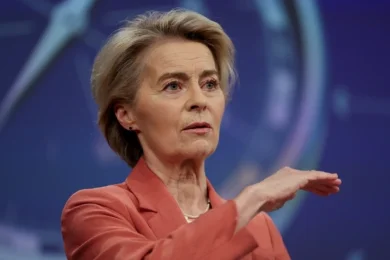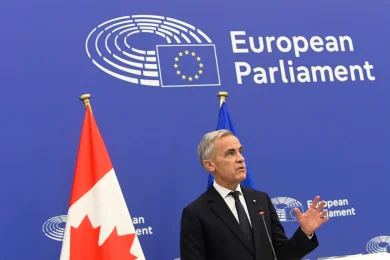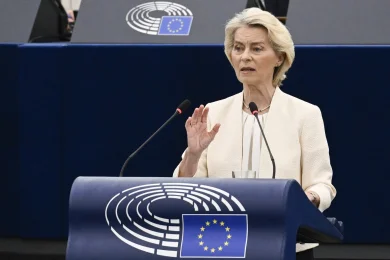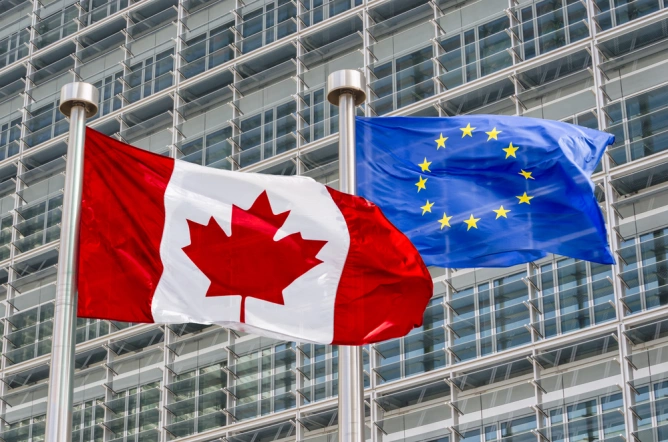

Before the deadlock in the EU, European Commission President Ursula von der Leyen proposed that Canada become the Union’s first “associated member” in her State of the Union address, an announcement that surprised several European capitals because they had not been consulted beforehand. The formula was presented as part of the “Alliance for the Future,” with expanded cooperation in areas such as energy, critical raw materials, artificial intelligence, cybersecurity and defense, without the status being equivalent to EU membership.
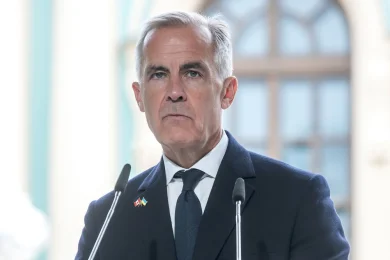
The proposal came amid the trade pressures exerted by Donald Trump’s administration: threats of severe tariffs were announced if Canada and the EU deepened their ties, while Mark Carney rejected the idea that the United States should dictate the agreements. The Canadian prime minister welcomed the initiative and presented cooperation in strategic industries and youth mobility, as well as participation in educational programs, as priority areas.