The Commission President supports expanded trade partnerships and UN reform to maintain international cooperation



Always see our news on Google
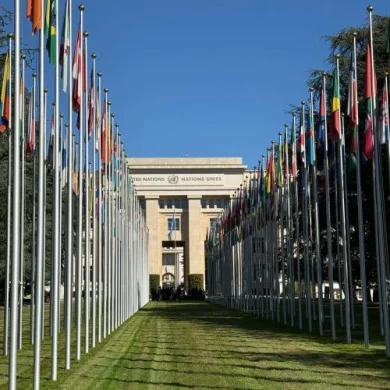
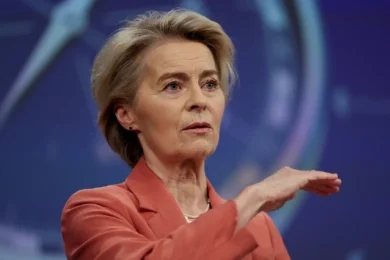
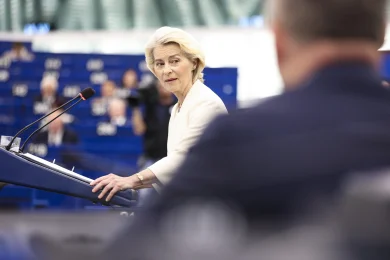
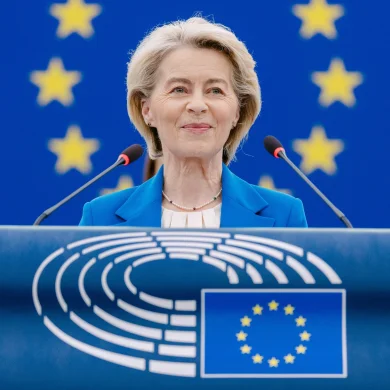
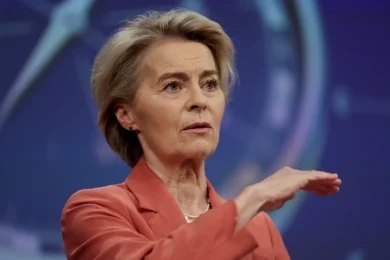
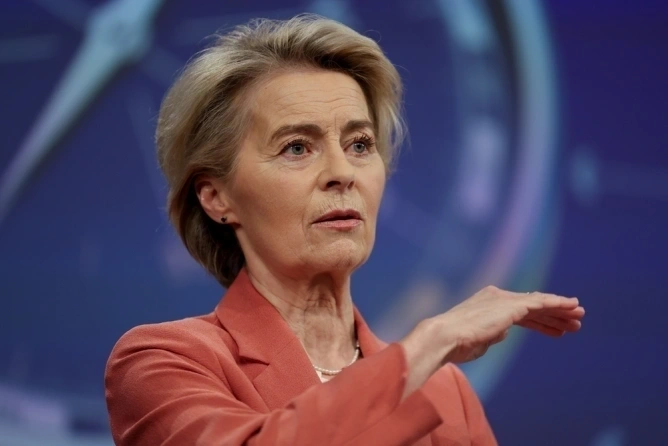
President of the European Commission Ursula von der Leyen supports expanding the EU’s trade partnerships and reforming the United Nations to maintain international cooperation in a fragmented world. At the summit in support of multilateralism in New York, she presented trade agreements as instruments for common rules and reaffirmed European support for the UN80 initiative, aimed at a simpler and more effective UN.
In briefThe Commission President argues that trade partnerships can provide a broader framework for cooperation through common standards and rules and support for reform of the World Trade Organization.
Von der Leyen reaffirms the EU’s support for UN80, citing artificial intelligence, climate change and regional conflicts as challenges requiring faster institutions.
UN reform includes administrative efficiency, mandate management and the reorganization of structures. The speech expresses political support without announcing a new European financial contribution.
In her argument, the usefulness of agreements goes beyond trade and economic security. Partnerships provide a framework for common standards and rules, as well as for supporting the World Trade Organization and its reform. Von der Leyen listed India, Australia, Mercosur and Indonesia among examples on the EU’s partnership agenda, without detailing the status of each agreement in her speech.
The same argument for cooperation applies, in her view, to international institutions. The Commission President cited the UN’s role in negotiating the Black Sea Grain Export Initiative as an example of intervention to protect global food security at a time of crisis. The reference concerns that diplomatic precedent, not the announcement of a new agreement on exports.
“The UN is indispensable and that is precisely why we must reform it,” von der Leyen stated, according to the text of the speech published by the Commission. She called for institutions capable of responding more quickly to artificial intelligence, climate change and the escalation of regional conflicts. Support for UN80 is framed as a response to this need for adaptation.
Launched in March 2025, UN80 covers administrative efficiency, a review of how mandates established by member states are managed, and the reorganization of structures and programmes. The review of mandates also concerns the allocation of resources and the assessment of results, according to explanations provided by the UN in July.
One measure already approved by the General Assembly is the merger of the UN Institute for Training and Research, UNITAR, with the United Nations System Staff College, UNSSC. The new institution, UNICLI, will be established on 1 January 2027, and integration will continue during the year. Until the end of 2026, the two entities will operate separately, according to the UN.
The speech reaffirms European political support for this process, without announcing a new financial contribution or its own reform timetable. The implementation of the measures depends on the institutional competences within the UN system. Some changes, particularly structural ones, require the agreement of member states; others can be carried out under the authority of the secretary-general.
Latest News
18:41
18:29
18:25
18:19
18:14
See more news
NEWS ON THE SAME TOPICS