Nicolae Ștefănuță calls on digital giants and major polluters to contribute to funding the EU budget



Always see our news on Google
Nicolae Ștefănuță calls for fair contributions to the EU budget from large digital companies and major polluters. In the Strasbourg plenary, the MEP defended climate investments and called for unity in the face of the Russian threat, citing the concerns of Romania and Bulgaria. The speech does not establish tax rates or budget allocations, and European funding for 2028–2034 remains under negotiation.
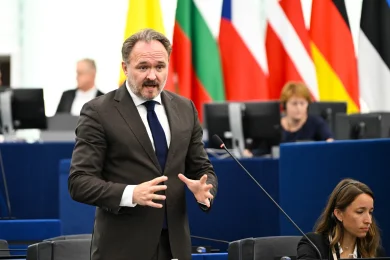
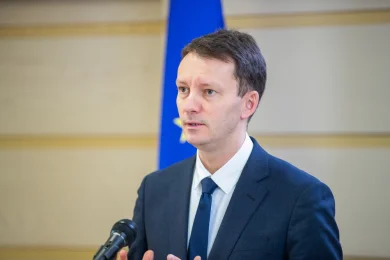
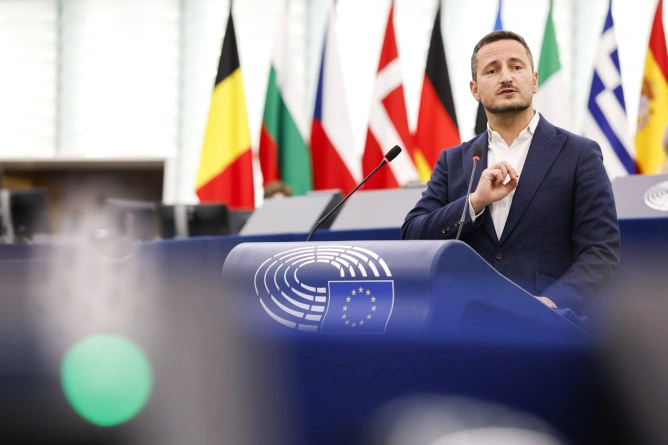
Romanian MEP Nicolae Ștefănuță called on Wednesday, 21 October 2026, in Strasbourg, for digital giants and major polluters to contribute fairly to the financing of the European Union. In the European Parliament’s debate on the European Council meeting of 15–16 October, the representative of the Greens/European Free Alliance group (Greens/EFA) advocated strengthening the common budget, defending climate investments, and European unity in the face of the Russian threat. The appeal comes amid negotiations on the 2028–2034 multiannual financial framework and does not represent the adoption of new taxes or fund allocations.
In brief
Nicolae Ștefănuță is calling for large digital companies and major polluters to pay a fair contribution to the financing of Europe. The speech does not indicate a rate, calculation basis, or amount that would be collected.
The MEP is defending the Green Deal and investments in renewable energy, linking climate policies to the cost of living and heating. He is asking the President of the European Council, António Costa, to support a budget capable of responding to crises.
In terms of security, Ștefănuță invokes the Russian threat, the risks associated with drones, and the concerns of people in Romania and Bulgaria, calling for European unity.
The EU already has own resources. Creating new categories of revenue requires a unanimous decision by the Council, consultation of the European Parliament, and approval by the Member States in accordance with their constitutional rules.
The EU budget for 2028–2034 remains under negotiation. The final regulation requires unanimity in the Council and approval by the European Parliament; the speech does not establish additional funding for Romania.
Addressing António Costa directly, Ștefănuță argued that European priorities must be accompanied by the resources necessary to put them into practice. He cited the cost-of-living crisis, difficulties in accessing housing, energy prices, and wildfires as examples of the pressures to which the Union must respond. His argument is that an insufficient budget would limit Europe’s ability to act for citizens.
Climate policies occupied a central place in the intervention. Ștefănuță argued that reducing renewable energy costs and the burden of heating bills justify maintaining investments in this area. He called on the President of the European Commission, Ursula von der Leyen, to defend the Green Deal, which he presented as an economic vision. The speech did not announce an immediate measure to reduce bills or quantified savings for households.
To finance European priorities, the MEP called for a fair contribution from digital giants, criticizing their influence over markets and voters. In the same appeal, he mentioned major polluters that earn high profits. Ștefănuță did not specify the companies concerned, the applicable rates, or the mechanism through which these contributions would reach the common budget.
The Union already has a system of own resources, which includes, among other things, customs duties and contributions calculated on the basis of VAT, unrecycled plastic packaging waste, and gross national income. In its proposals for the 2028–2034 budget, the Commission included additional sources, such as revenues linked to the trading of emissions certificates and a contribution from large companies. Ștefănuță’s appeal concerns the development of European revenues; it does not establish a new tax and cannot automatically be equated with one of the instruments proposed by the Commission.
Creating a new category of own resources requires a decision adopted unanimously by the Council, following consultation with the European Parliament. The decision enters into force only after approval by the Member States, in accordance with their constitutional rules. These conditions explain why a request made in plenary does not, in itself, create tax obligations for companies.
In the section devoted to security, Ștefănuță referred to the Russian threat and the concerns of people in Romania and Bulgaria, calling on European states to remain united. He invoked the risks associated with drones and presented European solidarity as a response to the seriousness of these threats.
The institutional context is provided by the European Council meeting of 15–16 October. In the conclusions adopted, EU leaders reaffirmed their support for Ukraine and discussed security, competitiveness, energy prices, and the future budget. Regarding the multiannual financial framework, they called for negotiations to continue toward a timely agreement, so that legislation could be adopted in 2027 and funding could begin without interruption in January 2028.
The European Commission presented its proposal for the new multiannual financial framework on 16 July 2025, while the Member States are negotiating the level of expenditure, the distribution of funds, and the revenues that will finance common policies. Adoption of the regulation requires unanimity in the Council, following approval by the European Parliament. The political agreement among leaders facilitates the process, but it must be followed by the corresponding legal acts.
For Romania, these negotiations matter because of funding for cohesion, agriculture, infrastructure, energy, and security. Ștefănuță’s speech supports a political orientation regarding the Union’s revenues and priorities, without establishing an additional allocation for the country. The concrete effects will depend on the budgetary compromise and the legislation that will be adopted.
Latest News
16:06
16:02
15:55
15:55
15:55
See more news
NEWS ON THE SAME TOPICS
.webp)