Commission Examines France’s Request to Delay Methane Rules Without Announcing a Change to the Timeline


.webp)

Always see our news on Google
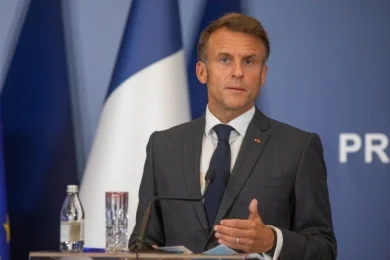
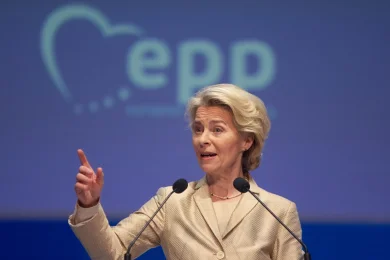
The European Commission is examining French President Emmanuel Macron’s proposals to reduce pressure on energy supplies, without announcing a delay to methane requirements or a relaxation of fuel-quality standards. Anna-Kaisa Itkonen, the Commission’s energy spokesperson, confirmed receipt of the letter addressed to Ursula von der Leyen and said the European executive was ready to consider additional measures if risks to security of supply emerged.
In brief, the Commission confirmed receipt of Emmanuel Macron’s letter and its examination of the French proposals. At the briefing, it did not announce acceptance of a delay to methane requirements or a relaxation of fuel standards. The rules on methane imports and fuel specifications raise different issues. The former target emissions from supply chains, while the latter protect health, the environment and the compatibility of fuels with vehicles. The Commission describes the current situation as a global fossil-fuel price crisis and is monitoring supply risks. Member states will conduct a new assessment in the Gas Coordination Group on 24 September.
According to Reuters, which reviewed the 18 September letter, Macron is requesting a one-year delay, until 1 January 2028, for the new requirements applying to importers. The French president cites legal risks for companies during a period of strained supply.
Under the current timeline, from 1 January 2027, importers must demonstrate that the oil, gas and coal concerned were produced under conditions equivalent to European requirements for monitoring, reporting and verification of methane emissions. The obligation applies to contracts concluded or renewed from 4 August 2024 onwards; for earlier contracts, importers must make all reasonable efforts to meet the requirements. The regulation aims to reduce emissions both in the EU and across its external supply chains.
The Commission has already provided some flexibility regarding penalties. In its recommendation of 20 July, it asked member states not to impose certain penalties for breaches of importers’ obligations relating to 2027, 2028 and 2029, except in cases of fraudulent violations. The document specifies, however, that the obligations continue to apply and that authorities must monitor progress towards compliance. Therefore, this recommendation on penalties does not change the deadlines set by the regulation.
At the Commission’s press briefing, questions about a possible change to this approach went unanswered with regard to each measure. Itkonen stressed that a situation she described as highly volatile was being monitored. The Commission is examining France’s suggestions together with the member states, but confirmation of receipt of the letter was not accompanied by acceptance of the request for a delay.
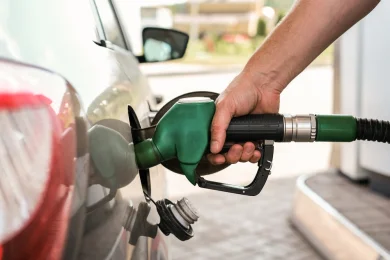
Another issue raised at the briefing was a relaxation of fuel specifications, including those concerning sulphur, to allow refineries to increase production. Itkonen indicated that the issue falls under the Fuel Quality Directive and can be discussed by states in the Oil Coordination Group. European rules aim to reduce pollution and protect health, as well as ensure fuel compatibility with engines and exhaust-gas treatment systems. The Commission did not present a proposal for an amendment or its own assessment of the potential production increase.
The Commission’s response is based on a different assessment of the current crisis from that of 2022. At that time, reduced Russian deliveries caused a gas supply crisis concentrated in Europe, Itkonen explained. Now, the Commission primarily describes a global fossil-fuel price crisis driven by the situation in the Strait of Hormuz. The spokesperson said this difference calls for an adapted response developed together with the member states.
The assessment published after the Gas Coordination Group’s meeting on 3 September did not identify an immediate risk to the EU’s security of supply, although storage facilities were less full than in previous years. The Commission and member states cited diversification of sources, greater liquefied natural gas import capacity and reduced demand. The same assessment nevertheless pointed to instability in the Middle East, the halt in Qatar’s liquefied-gas production and pressure from heatwaves on gas consumption for electricity generation.
Asked whether signs of shortages had since emerged in EU member states, Itkonen referred to the ongoing exchange of information with national authorities, without confirming any specific shortage. The gas and oil groups are used to assess the situation in each country and discuss possible joint measures. Separately from the crisis response, the Commission maintains that electrification and clean energy sources must reduce Europe’s medium-term exposure to the volatility of imported fossil fuels.
The next meeting of the Gas Coordination Group is scheduled for 24 September, when member states are expected to provide updated information. The Commission indicated that this assessment would help determine the necessary response. As of Tuesday’s briefing, it had announced neither a new timetable for the methane requirements nor a fuel-quality exemption in response to France’s letter.
,
Latest News
07:18
23:08
22:58
22:57
22:55
See more news
NEWS ON THE SAME TOPICS