The EU sanctions VK and companies that provide Russia with technology for intercepting calls, messages, and the internet.



Always see our news on Google
The European Union has sanctioned VK, the company behind VKontakte, its subsidiary that manages the Max application, and three technology providers for the Russian surveillance system SORM. The EU Council states that these tools allow Russian authorities to monitor calls, emails, messages, and activity on social networks and to track journalists, opposition members, minorities, and users who criticize the war against Ukraine. Four directors of the companies have also been sanctioned.
The European Union has sanctioned five Russian companies involved in the development and operation of technologies that allow authorities to monitor the communications of the population. Among them are VK, the owner of VKontakte, the company that manages the Max application, and three manufacturers of equipment and software for the Russian national internet and telephone interception system.
In short
The sanctions target VK Company, its subsidiary Communication Platform, and the companies Citadel, VAS Experts, and Norsi-Trans. Four individuals holding management positions in these companies have also been included on the EU list.
Communication Platform develops and manages the Max application, which comes pre-installed on all mobile devices sold in Russia and operates under the supervision of the Federal Security Service, according to the EU Council.
Citadel, VAS Experts, and Norsi-Trans provide equipment and programs for SORM, the system through which Russian authorities can monitor phone calls, emails, text messages, internet traffic, and activity on social networks.
The EU Council states that the technologies are used against journalists, opposition representatives, minorities, and ordinary citizens, including those who criticize Russia's war against Ukraine or publish information banned by the authorities.
Sanctioned companies and individuals have their assets frozen in the EU, and European citizens and companies can no longer provide them with money or economic resources. The four individuals cannot enter or transit through the territory of the Union.
The Council of the European Union adopted the sanctions on July 13, as part of the regime created for individuals and organizations involved in serious human rights violations and in the repression of civil society and democratic opposition in Russia.
The new measures focus on the technological infrastructure through which Russian authorities control digital communications. The Council states that the companies included on the list provide tools that restrict freedom of expression, access to information, and freedom of association.
The most well-known sanctioned company is VK Company, the owner of VKontakte, one of the main social networks in Russia. The sanctions also target Communication Platform, a subsidiary of VK responsible for the development and management of the Max application.
According to the Council, Max is pre-installed on all mobile devices sold in Russia and includes extensive surveillance features. The application is managed under the supervision of the Federal Security Service, FSB, and the information collected through it has allegedly been used in repressive actions against users.
It specifically targets individuals who criticize Russia's war against Ukraine or publish information that Russian authorities have banned. The statement does not specify individual cases in which information obtained through Max has been used or the volume of data collected.
The other three sanctioned companies, Citadel, VAS Experts, and Norsi-Trans, produce, develop, and market equipment and programs related to SORM, the Russian abbreviation for the System of Operational Investigative Measures.
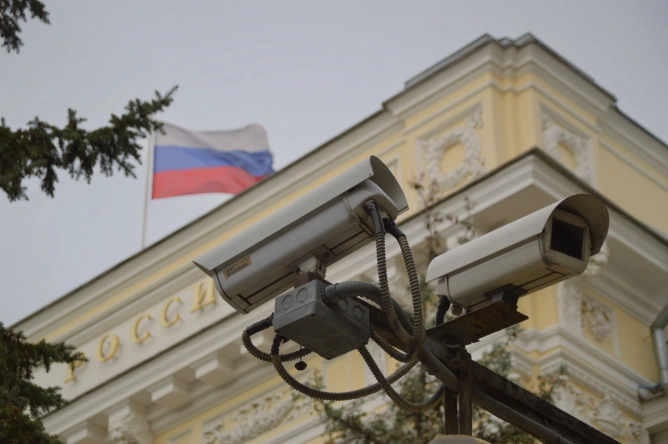
SORM is the infrastructure through which Russian services can intercept and monitor fixed, mobile, and online communications. The system can be used to track phone calls, emails, text messages, internet traffic, and activity on social networks.
The EU Council states that this infrastructure is used for population control and identifying individuals deemed inconvenient by the authorities. Among the targeted groups are journalists, political opponents, representatives of minorities, and citizens without a public office.
The sanctions do not target the simple production of telecommunications equipment. The Council links the companies to the provision of products built or adapted for the requirements of the surveillance system and for authorities' access to private communications.
Four individuals holding management positions in the sanctioned companies have been included on the list. The Council believes that, through their roles, they support serious abuses against human rights and the repression of civil society and democratic opposition.
For companies, the sanctions mean the freezing of funds and economic resources held in the European Union. European citizens and companies cannot transfer them money, goods, or other resources that could provide them with an economic advantage.
The same financial restrictions apply to the four individuals. In addition, they cannot enter the European Union or transit through the territory of member states.
After the new inclusions, the European regime regarding human rights violations in Russia applies to a total of 98 individuals and seven entities. The measures are distinct from the broader economic sanctions adopted against Russia following the invasion of Ukraine.
The EU created this separate regime in 2024, after the death of Alexei Navalny. It allows for the sanctioning of individuals and organizations responsible for serious human rights violations, repression of opposition, and undermining democracy and the rule of law in Russia.
The regime also allows for the sanctioning of those who materially or technologically support these actions, even if they do not directly participate in arrests, trials, or acts of violence. It also includes restrictions on the export from the EU of equipment that can be used for internal repression, telecommunications surveillance, or interception of communications.
By including VK and SORM providers, European sanctions extend to companies that build the digital infrastructure used in repression. The measures do not stop the operation of platforms or the system in Russia, but limit the access of companies and their directors to assets, funding, and economic relations in the European Union.
Latest News
22:52
22:48
22:43
22:38
22:20
See more news
NEWS ON THE SAME TOPICS





.webp)