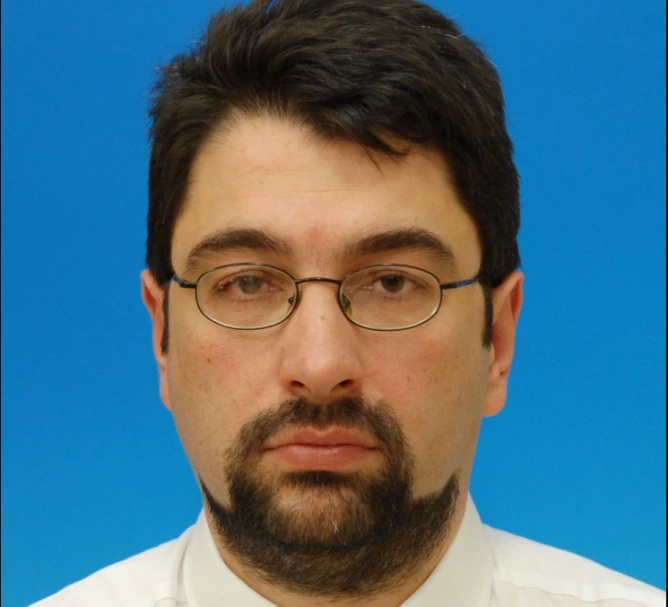
The EU Council confirms the appointment of Andrés Ritter as the new European Chief Prosecutor



Always see our news on Google
The Council has approved the appointment of Andrés Ritter as the new European Chief Prosecutor starting from November 1, 2026, at a time of transition in the leadership of the EPPO, the EU institution responsible for investigating and prosecuting crimes that affect the financial interests of the Union. The EU Council has agreed to appoint Andrés Ritter as the new European Chief Prosecutor of the European Public Prosecutor's Office, effective from November 1, 2026, in a succession that marks the first leadership change at the top of the EPPO since the establishment of the institution.
In short
1. Andrés Ritter will become the new European Chief Prosecutor on November 1, 2026.
2. The current mandate of Laura Codruța Kövesi expires on October 30, 2026.
3. Ritter is already part of the institution's leadership, having been Deputy European Chief Prosecutor since 2020.
4. The EPPO investigates and prosecutes fraud, corruption, and cross-border VAT fraud exceeding 10 million euros.
5. At the end of 2025, the EPPO had 3,602 active investigations, with a total estimated damage of over 67.2 billion euros to the EU and national budgets.
The Council announced the appointment of Andrés Ritter as the new European Chief Prosecutor, starting from November 1, 2026. From a journalistic perspective, this is the central fact of the case, a leadership change at the top of a European institution with a direct role in protecting the financial interests of the Union and in coordinating criminal prosecutions for major frauds involving European funds.
The appointment also has a clear second angle, that of institutional continuity. Andrés Ritter has been active in the criminal prosecution service in Germany since 1995 and has led several prosecutor's offices, and since 2020 he has held the position of Deputy European Chief Prosecutor. In institutional terms, the Council thus validates an internal succession, from the current leadership of the EPPO, and does not bring an external profile to the head of the institution.
The stakes of the position are defined by the role of the EPPO in the judicial architecture of the Union. The European Public Prosecutor's Office is an independent EU body responsible for investigating, prosecuting, and bringing to trial crimes that affect the financial interests of the Union, including fraud, corruption, and cross-border VAT fraud exceeding 10 million euros. In this context, the position of European Chief Prosecutor is not merely administrative but central to coordinating a European criminal prosecution structure with a direct impact on the EU budget.
The Council specifies that the European Chief Prosecutor leads the EPPO, organizes its activities, and represents the institution in contacts with EU institutions, member states, and third countries. The mandate is for seven years and cannot be renewed. From this perspective, Ritter's appointment opens a new leadership cycle for the institution, at a time when the EPPO is managing a high volume of cases and a very high level of investigated damages.
The financial dimension of the EPPO's activities is one of the strongest angles of the news. By the end of 2025, the institution had 3,602 active investigations, with a total estimated damage of over 67.2 billion euros for the EU and national budgets. This indicator places the leadership change in a context of high operational pressure and shows that the succession at the top of the EPPO concerns an institution that is already in full maturation and expansion of its activities.
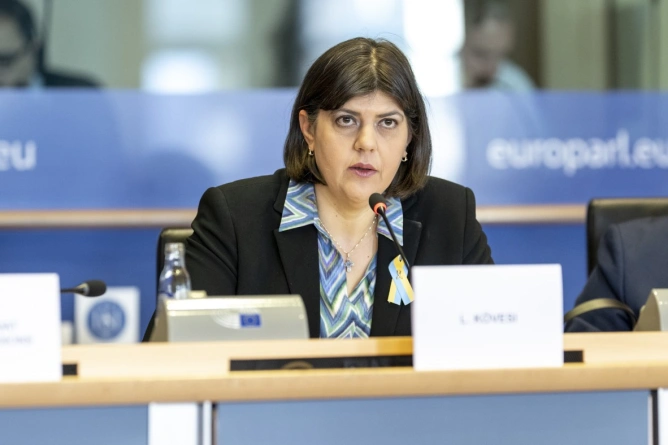
The announcement also sets the political timeline for the transition. The mandate of the current European Chief Prosecutor, Laura Codruța Kövesi, expires on October 30, 2026. She was appointed in 2019 as the first European Chief Prosecutor in the history of the institution. Consequently, Ritter's appointment not only means filling a vacant position but also closing the first leadership mandate of the EPPO and opening the second.
From a procedural standpoint, the Council specifies that the European Chief Prosecutor is appointed by mutual agreement between the Council and the European Parliament. Following today's agreement of the Council, the appointment must also be confirmed by the European Parliament. This is an essential element for the accurate formulation of the news, as the process is not yet fully closed at the institutional level.
Also in institutional terms, the Council reminds that European prosecutors, together with the European Chief Prosecutor, form the EPPO College, which oversees investigations and prosecutions. The Council appoints one European prosecutor for each of the 24 participating member states. This detail shows that the position of European Chief Prosecutor is the central node of a collegial and multistate structure, one of the most integrated forms of judicial cooperation in the EU.
Currently, 24 member states participate in the EPPO: Austria, Belgium, Bulgaria, Croatia, Cyprus, Czech Republic, Estonia, Finland, France, Germany, Greece, Italy, Latvia, Lithuania, Luxembourg, Malta, Netherlands, Poland, Portugal, Romania, Slovenia, Slovakia, Spain, and Sweden. The EPPO investigates and prosecutes crimes that affect the financial interests of the Union before the competent courts of the member states.
Latest News
16:16
15:55
15:38
15:21
14:47
See more news
NEWS ON THE SAME TOPICS


.webp)