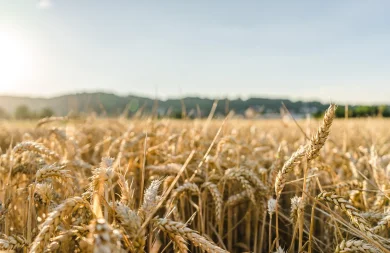

Before the developments recorded in EU agrifood trade, disruptions to exports from Russia and Ukraine reshaped grain transactions as a result of attacks on ports and commercial vessels in the Black Sea. In this context, Romania became one of the beneficiaries of the change in routes, increasing wheat exports by 45% (2026–2027 marketing season), while deliveries to Egypt rose by 48.8% in the first ten months of 2026, reaching 742,900 tonnes.
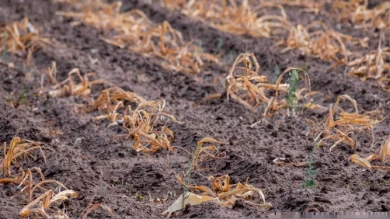
The change in demand was also reinforced by drought: EU maize imports increased by 40% between 1 July and 18 October 2026, following a European harvest estimated to be the weakest since 2000, while supplies from the US tripled. At the same time, Ukraine requested funding and logistical support for agricultural exports along alternative routes, warning that volumes of more than 30 million tonnes could remain unexported; however, Romania and Poland drew attention to the infrastructure’s limitations.