ERC awards €705 million to 421 early-career researchers, while 21 are moving to Europe from the United States and Canada
Liviu Brăteanu



EU
Foto: Pixabay

Always see our news on Google
The European Research Council has selected 421 researchers for the new Starting Grants, in a competition that attracted a record 4,807 proposals. The success rate was 8.8%, and 21 of the winners currently work outside Europe and will move to the EU or countries associated with the Horizon Europe programme.
The European Research Council, ERC, is awarding €705 million to 421 researchers at the beginning of their independent careers, in a competition that attracted a record 4,807 proposals. The grants will fund projects in life sciences, engineering, social sciences and humanities and will enable beneficiaries to build their own research teams. Of the winners, 21 currently work outside Europe and intend to move to the EU or countries associated with the Horizon Europe programme, almost twice as many as the 11 researchers who made this choice last year.
In brief
ERC is awarding €705 million in 421 Starting Grants for researchers at an early stage of their independent careers.
The competition received 4,807 proposals, 22% more than the 3,928 submitted last year, and only 8.8% of projects could be funded.
Twenty-one of the selected researchers currently work outside Europe and will move to the EU or countries associated with Horizon Europe, compared with 11 in the previous competition.
A total of 169 researchers based in the United States submitted applications, up from 116 in the previous call.
The new grants will be hosted in 25 Member States and associated countries and are expected to create more than 3,000 jobs within the beneficiaries’ teams.
The Starting Grant competition is intended for researchers who are consolidating their scientific independence and building their own research directions. The 421 beneficiaries selected in 2026 will be able to use the funding to develop their own projects, recruit researchers and create teams at universities and research centres in Europe.
Interest in the programme has grown sharply. The ERC received 4,807 proposals, 22% more than the 3,928 in the previous competition, bringing the success rate down to 8.8%. The record number of applications points to more intense competition for European frontier research grants, as the available budget allowed fewer than one in ten proposals to be funded.
One of the elements highlighted by the Commission is the increase in the number of researchers choosing to move to Europe after receiving the grant. Twenty-one of the winners are currently based outside the continent and are expected to carry out their projects in the EU or in countries associated with Horizon Europe, compared with 11 last year.
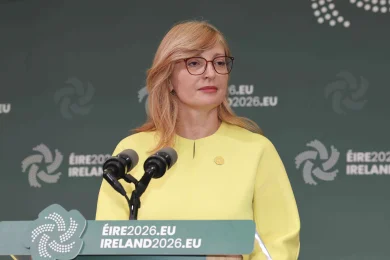
European Commissioner for Start-ups, Research and Innovation Ekaterina Zaharieva linked this development to the EU’s efforts to attract more international scientific talent. “Congratulations to all the selected candidates. I am particularly pleased to see that 21 researchers currently based in the United States and Canada intend to move to Europe to continue their work. Their decision reflects Europe’s growing attractiveness for frontier research and is an encouraging sign that the Choose Europe initiative is helping to attract the next generation of scientific talent, while strengthening Europe’s position as a destination for research excellence,” Zaharieva said.
The increased interest is also visible in the number of applications from the United States. A total of 169 researchers based in the US submitted proposals in this competition, compared with 116 in the previous call. The data do not show how many of them were selected, but they indicate growing interest in ERC funding among the scientific community outside Europe.
The beneficiaries will work in 25 EU Member States and countries associated with the Horizon Europe programme. Germany will host the largest number of projects, with 89 grants, followed by France with 38, Switzerland with 36 and the Netherlands with 33. The distribution reflects the location of the host institutions, not the researchers’ citizenship.
In terms of nationality, the winners include 84 Germans, 50 Italians, 30 French nationals and 24 Spaniards, alongside researchers of 48 other nationalities. This diversity demonstrates the international nature of the competition and the fact that ERC funding is awarded to projects and researchers on the basis of excellence, within eligible institutions in Europe.
The selected projects cover a wide range of fields, from life sciences and engineering to social sciences and humanities. The ERC does not direct Starting Grants towards a single strategic theme; the selection focuses on the quality and scientific ambition of the proposals submitted by researchers.
The programme’s impact also extends to research employment. The ERC estimates that the 421 grants will generate more than 3,000 jobs within the teams created by beneficiaries, including positions for doctoral students, postdoctoral researchers and other specialists who will work on the funded projects.
For researchers choosing to move to Europe, the Choose Europe initiative offers the possibility of applying for up to an additional €2 million to set up laboratories or establish teams. The support is intended to reduce the costs associated with relocating research activities and developing the infrastructure needed for the projects.
This component complements the main grant and aims to make Europe more attractive to researchers who have already built careers outside the continent. In practice, moving a laboratory or team can involve costs for equipment, infrastructure, recruitment and the transfer of activities, and the additional funding is designed for such situations.
ERC Starting Grants are part of the European instruments supporting frontier research and give beneficiaries the freedom to pursue ambitious scientific ideas at a stage when they are building their own independent profiles. The 2026 results show both greater pressure on the competition and growing interest from researchers based outside Europe.
The increase in applications and relocations does not mean that Europe has already reversed global flows of researchers. However, the data from this competition show that the ERC is attracting a larger number of candidates and that more researchers based in North America are willing to move their projects to the European research ecosystem.
The European Research Council funds frontier research under Horizon Europe and selects projects through competitions based on scientific evaluation. Starting Grants are intended for researchers at the beginning of their scientific independence and aim to enable them to develop their own research programmes and teams.
The Choose Europe initiative seeks to attract and retain scientific talent in Europe, including through additional support for researchers relocating their activities from other regions. In the 2026 competition, 21 beneficiaries currently based outside Europe decided to carry out their projects in the EU or in countries associated with Horizon Europe.
https://2eu.brussels/ro/news/erc-acorda-705-milioane-de-euro-pentru-421-de-cercetatori-aflati-la-inceput-de-cariera-iar-21-se-muta-in-europa-din-sua-si-canada
The European Research Council, ERC, is awarding €705 million to 421 researchers at the beginning of their independent careers, in a competition that attracted a record 4,807 proposals. The grants will fund projects in life sciences, engineering, social sciences and humanities and will enable beneficiaries to build their own research teams. Of the winners, 21 currently work outside Europe and intend to move to the EU or countries associated with the Horizon Europe programme, almost twice as many as the 11 researchers who made this choice last year.
In brief
ERC is awarding €705 million in 421 Starting Grants for researchers at an early stage of their independent careers.
The competition received 4,807 proposals, 22% more than the 3,928 submitted last year, and only 8.8% of projects could be funded.
Twenty-one of the selected researchers currently work outside Europe and will move to the EU or countries associated with Horizon Europe, compared with 11 in the previous competition.
A total of 169 researchers based in the United States submitted applications, up from 116 in the previous call.
The new grants will be hosted in 25 Member States and associated countries and are expected to create more than 3,000 jobs within the beneficiaries’ teams.
The Starting Grant competition is intended for researchers who are consolidating their scientific independence and building their own research directions. The 421 beneficiaries selected in 2026 will be able to use the funding to develop their own projects, recruit researchers and create teams at universities and research centres in Europe.
Interest in the programme has grown sharply. The ERC received 4,807 proposals, 22% more than the 3,928 in the previous competition, bringing the success rate down to 8.8%. The record number of applications points to more intense competition for European frontier research grants, as the available budget allowed fewer than one in ten proposals to be funded.
One of the elements highlighted by the Commission is the increase in the number of researchers choosing to move to Europe after receiving the grant. Twenty-one of the winners are currently based outside the continent and are expected to carry out their projects in the EU or in countries associated with Horizon Europe, compared with 11 last year.
European Commissioner for Start-ups, Research and Innovation Ekaterina Zaharieva linked this development to the EU’s efforts to attract more international scientific talent. “Congratulations to all the selected candidates. I am particularly pleased to see that 21 researchers currently based in the United States and Canada intend to move to Europe to continue their work. Their decision reflects Europe’s growing attractiveness for frontier research and is an encouraging sign that the Choose Europe initiative is helping to attract the next generation of scientific talent, while strengthening Europe’s position as a destination for research excellence,” Zaharieva said.
The increased interest is also visible in the number of applications from the United States. A total of 169 researchers based in the US submitted proposals in this competition, compared with 116 in the previous call. The data do not show how many of them were selected, but they indicate growing interest in ERC funding among the scientific community outside Europe.
The beneficiaries will work in 25 EU Member States and countries associated with the Horizon Europe programme. Germany will host the largest number of projects, with 89 grants, followed by France with 38, Switzerland with 36 and the Netherlands with 33. The distribution reflects the location of the host institutions, not the researchers’ citizenship.
In terms of nationality, the winners include 84 Germans, 50 Italians, 30 French nationals and 24 Spaniards, alongside researchers of 48 other nationalities. This diversity demonstrates the international nature of the competition and the fact that ERC funding is awarded to projects and researchers on the basis of excellence, within eligible institutions in Europe.
The selected projects cover a wide range of fields, from life sciences and engineering to social sciences and humanities. The ERC does not direct Starting Grants towards a single strategic theme; the selection focuses on the quality and scientific ambition of the proposals submitted by researchers.
The programme’s impact also extends to research employment. The ERC estimates that the 421 grants will generate more than 3,000 jobs within the teams created by beneficiaries, including positions for doctoral students, postdoctoral researchers and other specialists who will work on the funded projects.
For researchers choosing to move to Europe, the Choose Europe initiative offers the possibility of applying for up to an additional €2 million to set up laboratories or establish teams. The support is intended to reduce the costs associated with relocating research activities and developing the infrastructure needed for the projects.
This component complements the main grant and aims to make Europe more attractive to researchers who have already built careers outside the continent. In practice, moving a laboratory or team can involve costs for equipment, infrastructure, recruitment and the transfer of activities, and the additional funding is designed for such situations.
ERC Starting Grants are part of the European instruments supporting frontier research and give beneficiaries the freedom to pursue ambitious scientific ideas at a stage when they are building their own independent profiles. The 2026 results show both greater pressure on the competition and growing interest from researchers based outside Europe.
The increase in applications and relocations does not mean that Europe has already reversed global flows of researchers. However, the data from this competition show that the ERC is attracting a larger number of candidates and that more researchers based in North America are willing to move their projects to the European research ecosystem.
The European Research Council funds frontier research under Horizon Europe and selects projects through competitions based on scientific evaluation. Starting Grants are intended for researchers at the beginning of their scientific independence and aim to enable them to develop their own research programmes and teams.
The Choose Europe initiative seeks to attract and retain scientific talent in Europe, including through additional support for researchers relocating their activities from other regions. In the 2026 competition, 21 beneficiaries currently based outside Europe decided to carry out their projects in the EU or in countries associated with Horizon Europe.
https://2eu.brussels/ro/news/erc-acorda-705-milioane-de-euro-pentru-421-de-cercetatori-aflati-la-inceput-de-cariera-iar-21-se-muta-in-europa-din-sua-si-canada
Latest News
11:01
Ukraine has run out of Patriot missiles to intercept Russian ballistic attacks (CNN)
10:56
Norwegian skier Aleksander Aamodt Kilde suffered a ruptured Achilles tendon
10:53
Sector 6 City Hall restricts electric scooters in parks and limits their speed to 15 km/h on eight roads
10:51
Cyberattack on the Central Depository of the Bucharest Stock Exchange. Users' personal data was viewed
10:49
Real estate transactions decreased by approximately 66,000 in the third quarter amid the cyberattack on ANCPI
See more news
NEWS ON THE SAME TOPICS





Personalized news feed, AI-powered search, and notifications in a more interactive experience.