All EU countries are delaying the new rules for building renovations, and Romania has outstanding issues in eight other areas.
2eu.brussels


EU
Foto: 2eu.brussels

Always see our news on Google
The European Commission has warned all 27 member states that they have not fully incorporated the new rules on energy efficiency in buildings into national legislation. Romania has also received notifications for eight other sets of European norms, ranging from the conditions offered to asylum seekers to the protection of journalists and the sanctioning of serious environmental crimes.
In short, all member states have missed the deadline of May 29, 2026, for the complete transposition of the directive on the energy performance of buildings. The rules establish progressive renovations, standards for non-residential buildings, infrastructure for clean transport, and requirements regarding solar energy. Romania is also among the 16 states that have not fully transposed the rules regarding reception conditions for those seeking international protection. The directive aims for adequate and comparable living conditions in all member states. The Commission has notified Romania for the delay in legislation that protects journalists, activists, and civil society organizations from abusive lawsuits introduced for intimidation or silencing. Other outstanding issues for Romania concern environmental crimes, the road transport of hazardous goods, companies' access to the stock market, risks in derivative transactions, equality bodies, and the functioning of the single market in crisis situations. The letters of formal notice represent the first formal stage of infringement procedures. Romania and the other targeted states have two months to respond and communicate the complete legislation, after which the Commission can issue reasoned opinions.
On July 15, the European Commission opened a new group of infringement procedures against states that have not communicated the complete transposition of 15 European directives whose deadlines have recently expired.
A directive establishes the results that member states must achieve, but each government must adopt the necessary national legislation. The Commission then checks whether the measures have been communicated and whether they cover all obligations set at the European level.
The most extensive procedure concerns the energy performance of buildings. All 27 member states have missed the complete transposition of the reformed directive adopted in 2024.
Buildings are the largest energy consumers in Europe, and only about 1% of the built stock is renovated annually. The directive aims to reduce bills, the consumption of imported fossil fuels, and emissions produced by homes, offices, and public buildings.
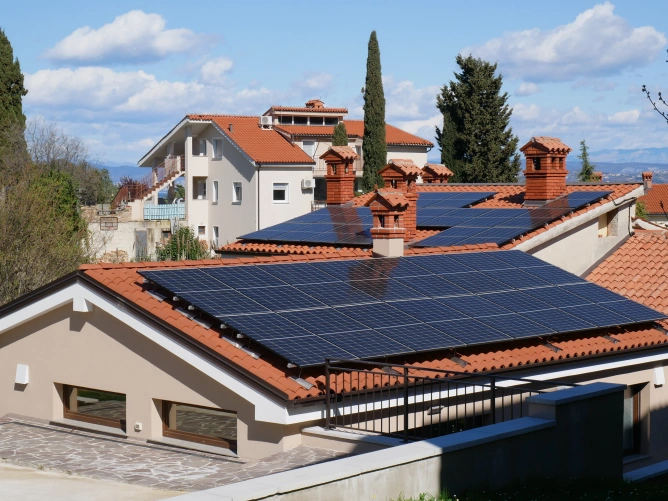
The new rules provide minimum energy performance standards for non-residential buildings and national pathways for the progressive renovation of homes. They include requirements for solar panels, infrastructure for sustainable mobility, and unique centers where owners can receive information about renovation and financing.
States were required to communicate the complete transposition by May 29, 2026. A separate provision, which prohibits financial incentives for the installation of individual fossil fuel heating systems, had an earlier deadline of January 1, 2025.
Romania appears in eight other procedures from the package published by the Commission. One concerns the Directive on reception conditions, part of the European reform in the field of migration and asylum.
The rules require adequate and comparable living conditions for those seeking international protection. They allow states to organize their reception systems but also aim to reduce the differences that may lead applicants to leave the responsible country for processing their application.
Romania and 15 other states did not communicate the complete transposition by the deadline of June 12, 2026. A delay does not automatically mean that all provisions are missing from Romanian legislation, but that the authorities have not demonstrated to the Commission that the directive has been fully implemented.
Another procedure concerns the directive against strategic lawsuits against public participation, known as SLAPP. These actions can be used to intimidate journalists, human rights defenders, and civil society organizations through costly and prolonged lawsuits.
The directive allows courts to dismiss evidently unfounded claims early, provides remedies for targeted individuals, and introduces protection against certain rulings made in countries outside the European Union. Romania and 13 other states were required to transpose the rules by May 7.
The Commission has also notified Romania for the incomplete transposition of the Directive on environmental crime. The new rules expand the list of serious crimes and provide harsher penalties for violations that cause serious, extensive, and lasting damage.
Environmental crime is estimated globally to result in annual losses between 80 and 230 billion euros. The Commission describes it as the fourth largest organized criminal activity globally.
In transport, Romania is among the 14 states that have not fully communicated the updated rules for road checks of vehicles transporting hazardous goods. The amendments update the list of violations, risk levels, and procedures used by authorities during checks.
Three of the procedures targeting Romania concern the financial sector. The first relates to the Listing Act Directive, which seeks to facilitate access for companies, especially small ones, to financing through public capital markets.
The second concerns amendments related to the European regulation for financial market infrastructure. These establish rules for risk management in transactions involving derivative instruments and require banks, investment firms, and funds to better control the concentration of operations among a limited number of counterparties.
The Commission has notified Romania regarding the new standards for national equality promotion bodies. The directive requires these institutions to be independent, to have sufficient staff and funding, and to be able to support victims of discrimination.
Their competencies must cover workplace discrimination based on criteria such as religion, disability, age, or sexual orientation, and discrimination based on sex in the field of social security.
The last procedure involving Romania concerns the European rules for the functioning of the single market during a crisis. These are part of the Emergency Situations Act and the resilience of the internal market and establish procedures for maintaining the circulation of goods, services, and people and for the availability of essential products.
The letters sent by the Commission do not represent sanctions or a definitive finding of a violation. They open the first formal stage of the procedure and give each state two months to explain the situation, complete the legislation, and communicate the measures adopted.
If the response does not resolve the issue, the Commission can issue a reasoned opinion, specifying the breached obligations and granting a new deadline. The case may subsequently reach the Court of Justice of the European Union, and persistent delays in transposition may lead to financial penalties.
In short, all member states have missed the deadline of May 29, 2026, for the complete transposition of the directive on the energy performance of buildings. The rules establish progressive renovations, standards for non-residential buildings, infrastructure for clean transport, and requirements regarding solar energy. Romania is also among the 16 states that have not fully transposed the rules regarding reception conditions for those seeking international protection. The directive aims for adequate and comparable living conditions in all member states. The Commission has notified Romania for the delay in legislation that protects journalists, activists, and civil society organizations from abusive lawsuits introduced for intimidation or silencing. Other outstanding issues for Romania concern environmental crimes, the road transport of hazardous goods, companies' access to the stock market, risks in derivative transactions, equality bodies, and the functioning of the single market in crisis situations. The letters of formal notice represent the first formal stage of infringement procedures. Romania and the other targeted states have two months to respond and communicate the complete legislation, after which the Commission can issue reasoned opinions.
On July 15, the European Commission opened a new group of infringement procedures against states that have not communicated the complete transposition of 15 European directives whose deadlines have recently expired.
A directive establishes the results that member states must achieve, but each government must adopt the necessary national legislation. The Commission then checks whether the measures have been communicated and whether they cover all obligations set at the European level.
The most extensive procedure concerns the energy performance of buildings. All 27 member states have missed the complete transposition of the reformed directive adopted in 2024.
Buildings are the largest energy consumers in Europe, and only about 1% of the built stock is renovated annually. The directive aims to reduce bills, the consumption of imported fossil fuels, and emissions produced by homes, offices, and public buildings.
The new rules provide minimum energy performance standards for non-residential buildings and national pathways for the progressive renovation of homes. They include requirements for solar panels, infrastructure for sustainable mobility, and unique centers where owners can receive information about renovation and financing.
States were required to communicate the complete transposition by May 29, 2026. A separate provision, which prohibits financial incentives for the installation of individual fossil fuel heating systems, had an earlier deadline of January 1, 2025.
Romania appears in eight other procedures from the package published by the Commission. One concerns the Directive on reception conditions, part of the European reform in the field of migration and asylum.
The rules require adequate and comparable living conditions for those seeking international protection. They allow states to organize their reception systems but also aim to reduce the differences that may lead applicants to leave the responsible country for processing their application.
Romania and 15 other states did not communicate the complete transposition by the deadline of June 12, 2026. A delay does not automatically mean that all provisions are missing from Romanian legislation, but that the authorities have not demonstrated to the Commission that the directive has been fully implemented.
Another procedure concerns the directive against strategic lawsuits against public participation, known as SLAPP. These actions can be used to intimidate journalists, human rights defenders, and civil society organizations through costly and prolonged lawsuits.
The directive allows courts to dismiss evidently unfounded claims early, provides remedies for targeted individuals, and introduces protection against certain rulings made in countries outside the European Union. Romania and 13 other states were required to transpose the rules by May 7.
The Commission has also notified Romania for the incomplete transposition of the Directive on environmental crime. The new rules expand the list of serious crimes and provide harsher penalties for violations that cause serious, extensive, and lasting damage.
Environmental crime is estimated globally to result in annual losses between 80 and 230 billion euros. The Commission describes it as the fourth largest organized criminal activity globally.
In transport, Romania is among the 14 states that have not fully communicated the updated rules for road checks of vehicles transporting hazardous goods. The amendments update the list of violations, risk levels, and procedures used by authorities during checks.
Three of the procedures targeting Romania concern the financial sector. The first relates to the Listing Act Directive, which seeks to facilitate access for companies, especially small ones, to financing through public capital markets.
The second concerns amendments related to the European regulation for financial market infrastructure. These establish rules for risk management in transactions involving derivative instruments and require banks, investment firms, and funds to better control the concentration of operations among a limited number of counterparties.
The Commission has notified Romania regarding the new standards for national equality promotion bodies. The directive requires these institutions to be independent, to have sufficient staff and funding, and to be able to support victims of discrimination.
Their competencies must cover workplace discrimination based on criteria such as religion, disability, age, or sexual orientation, and discrimination based on sex in the field of social security.
The last procedure involving Romania concerns the European rules for the functioning of the single market during a crisis. These are part of the Emergency Situations Act and the resilience of the internal market and establish procedures for maintaining the circulation of goods, services, and people and for the availability of essential products.
The letters sent by the Commission do not represent sanctions or a definitive finding of a violation. They open the first formal stage of the procedure and give each state two months to explain the situation, complete the legislation, and communicate the measures adopted.
If the response does not resolve the issue, the Commission can issue a reasoned opinion, specifying the breached obligations and granting a new deadline. The case may subsequently reach the Court of Justice of the European Union, and persistent delays in transposition may lead to financial penalties.

Latest News
13:04
Border police officers discovered a €70,000 car in the Port of Constanța that was wanted by the Swedish authorities.
12:50
Nicuşor Dan met with Emmanuel Macron: “I conveyed my concern about the drone attacks on ships in the Black Sea”
12:33
Katie Zacharia was replaced as White House spokesperson just five days after her appointment
12:14
Two Ukrainian servicemen illegally crossed the border / Moldovan prosecutors opened an investigation
See more news
NEWS ON THE SAME TOPICS



.webp)


Personalized news feed, AI-powered search, and notifications in a more interactive experience.