search icon
search icon
Flag Arrow Down
Română
Română
Magyar
Magyar
English
English
Français
Français
Deutsch
Deutsch
Italiano
Italiano
Español
Español
Русский
Русский
日本語
日本語
中国人
中国人

Change Language

arrow down
  • Română
    Română
  • Magyar
    Magyar
  • English
    English
  • Français
    Français
  • Deutsch
    Deutsch
  • Italiano
    Italiano
  • Español
    Español
  • Русский
    Русский
  • 日本語
    日本語
  • 中国人
    中国人
Sections
  • News
  • Exclusive
  • INSCOP Surveys
  • Podcast
  • EU
  • Diaspora
  • Republic of Moldova
  • Politics
  • Economy
  • Current Affairs
  • International
  • Sport
  • Health
  • Education
  • IT&C knowledge
  • Arts & Lifestyle
  • Opinions
  • Elections 2025
  • Environment
About Us
Contact
Privacy policy
Terms and conditions
Quickly scroll through news digests and see how they are covered in different publications!
  • News
  • Exclusive
    • INSCOP Surveys
    • Podcast
    • EU
    • Diaspora
    • Republic of Moldova
    • Politics
    • Economy
    • Current Affairs
    • International
    • Sport
    • Health
    • Education
    • IT&C knowledge
    • Arts & Lifestyle
    • Opinions
    • Elections 2025
    • Environment
125 new news items in the last 24 hours
  1. Home
  2. Environment

The number of bees is drastically declining in Europe: The European Union is urging member states to take urgent measures to protect bees and pollinating insects.

Radu Burcă
whatsapp
facebook
linkedin
x
copy-link copy-link
8 April 2026, 16:39
main event image
Environment
Foto: pixabay.com
google-preference

Always see our news on Google

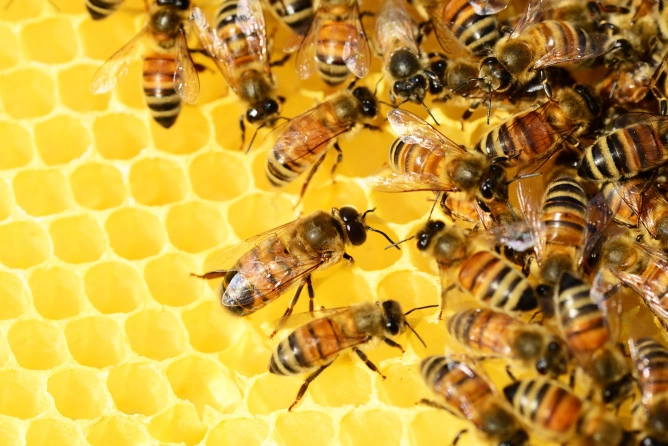
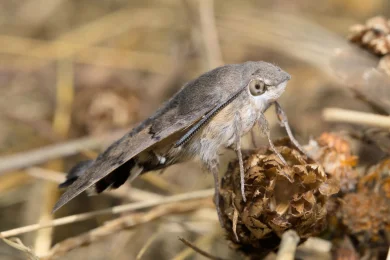
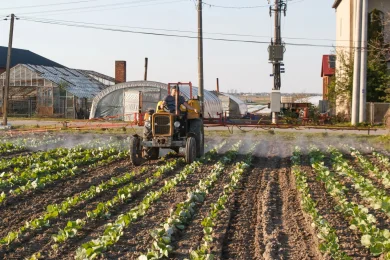
The European Union has launched a call to member states to stop the decline of bee populations and other pollinating insects by 2030, warning that the situation is becoming critical. Experts emphasize that the populations of these insects have been rapidly declining for decades, with a dramatic decline in hoverflies, where some species have lost between 50% and 90% of their population. In the Netherlands, nearly half of the 300 species of hoverflies are included on the red list, and authorities have initiated monitoring programs in 150 locations. The main causes of pollinator disappearance include the intensive use of pesticides, excess nitrogen, climate change, and the loss of natural habitats. The impact on agriculture is significant, as 80% of flowering plants depend on pollination, and without these insects, food products could become scarce and expensive. The EU is imposing drastic measures, such as reducing pesticides and expanding nature-friendly agriculture, to reverse the decline by 2030. Specialists warn that without rapid intervention, the established goals risk remaining only on paper.

Sources

sursa imagine
B1TV
Populațiile de albine sunt în pericol în toată Europa. Care sunt cauzele și care sunt efectele asupra agriculturii
sursa imagine
Mediafax
Populațiile de albine și sirfide sunt în declin alarmant / UE cere inversarea tendinței până în 2030

Latest News

23:03

Putin, Trump, and Xi could meet at a tripartite summit organized in Shenzhen, on the sidelines of the APEC meeting.

22:56

Kiev is preparing for new Russian attacks. Authorities are asking residents to stock up on water and food.

22:50

Radu Miruță, after the meeting of the EU Defense Ministers: "Romania has shown that it does not ask for support before demonstrating that it can handle its tasks on its own."

22:44

A shepherd from Vaslui County discovered a drone that had fallen with an explosive payload in the Viișoara commune. The authorities were notified only after 30 minutes.

22:44

The Queen of Norway, hospitalized. Mette-Marit was absent from the oath-taking by King Haakon.

See more news

NEWS ON THE SAME TOPICS

event image
EU
Invasive species continue to spread in the European Union, although rapid interventions have begun to yield results.
event image
EU
Most EU countries are on the right track to reducing air pollution, but agriculture remains the main problem.
event image
EU
The European Commission says that EU agriculture will hold up in 2026, but farmers are pressured by costs, drought, and uncertainty.
event image
EU
The EU wants to stop banned pesticides from returning through food imports.
event image
EU
The European Parliament approves rapid aid for farmers affected by the rise in fertilizer prices.
event image
EU
Drought and heat hit summer crops in the EU: corn decreases by 7%, soybeans by 14%, and fodder becomes a problem in the west and center of the continent.
app preview
Personalized news feed, AI-powered search, and notifications in a more interactive experience.
app preview app preview
EU decline bees pollinators pollination

Editor’s Recommendations

main event image
Politics
4 hours ago

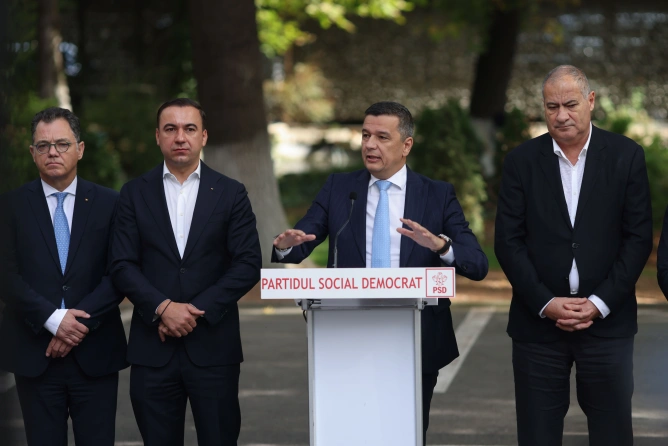
PSD, AUR and SOS redraw the leadership of the Chamber of Deputies / USR and PNL contest at the CCR

Sources
imagine sursa
imagine sursa
imagine sursa
imagine sursa
main event image
Politics
3 hours ago

Ilie Bolojan asks NATO to deploy allied capabilities in Romania, in the context of the intensification of drone incursions.

Sources
imagine sursa
imagine sursa
main event image
Current Affairs
1 hour ago

Radu Miruță, after the meeting of the EU Defense Ministers: "Romania has shown that it does not ask for support before demonstrating that it can handle its tasks on its own."

Sources
imagine sursa
imagine sursa
imagine sursa
app preview
Personalized news feed, AI-powered search, and notifications in a more interactive experience.
app preview
app store badge google play badge
  • News
  • Exclusive
  • INSCOP Surveys
  • Podcast
  • EU
  • Diaspora
  • Republic of Moldova
  • Politics
  • Economy
  • Current Affairs
  • International
  • Sport
  • Health
  • Education
  • IT&C knowledge
  • Arts & Lifestyle
  • Opinions
  • Elections 2025
  • Environment
  • About Us
  • Contact
Privacy policy
Cookies Policy
Terms and conditions
Open source licenses
All rights reserved Strategic Media Team SRL

Technology in partnership with

anpc-sal anpc-sol