Nearly 12% of moth species assessed in the EU are threatened with extinction, according to the first European Red List



Always see our news on Google
The assessment covers 2,828 species in the European Union and identifies habitat degradation, climate change and agricultural pressures among the main threats. For 506 species, the available information does not allow the risk to be determined, showing the extent of monitoring gaps.
The first European Red List of moths estimates that 11.9% of the species included in the assessment for the European Union are threatened with extinction. The report presented by the European Commission identifies habitat degradation, climate change and agricultural pressures among the main threats, while insufficient information about hundreds of species limits risk assessment.
In brief
1. The report estimates the share of threatened species at 11.9% in the EU and 10.8% at European level. The assessment mainly targets larger moths, while most small species were not included due to a lack of information.
2. In the EU, 506 species, or 17.9% of those assessed, are insufficiently known for their extinction risk to be determined. The lack of data does not allow them to be classified among the species at low risk, and the overall estimate is based on an assumption regarding their vulnerability.
3. Habitat degradation affects insects’ food, shelter and movement. Pressures arise both from intensive agriculture and urban development and, for some species, from the abandonment of extensive practices that maintain open grasslands.
4. The authors propose connecting habitats, reducing unnecessary night-time lighting and expanding monitoring. These are conservation recommendations supported by the scientific assessment, and their implementation must be adapted to species’ needs and local conditions.
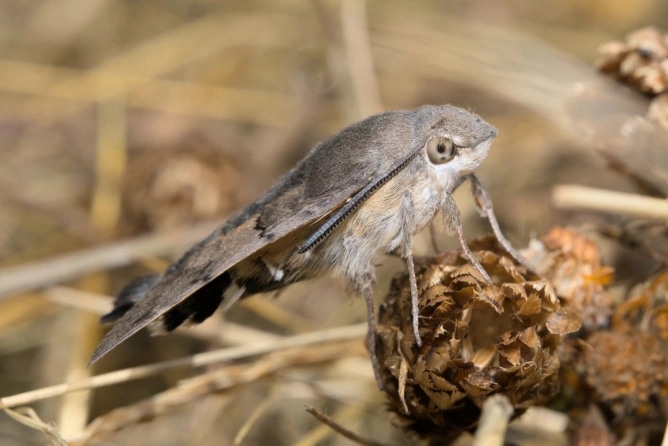
The study applies the methodology of the International Union for Conservation of Nature (IUCN) to 3,082 species at European level and 2,828 in the EU. It mainly covers the group known as nocturnal macrolepidoptera, which brings together larger moths. Europe has approximately 10,000 moth species, and most small species remained outside the assessment because less is known about their distribution and ecology.
In the EU, the report classifies 23 species as Critically Endangered, 86 as Endangered and 166 as Vulnerable. Together, these categories form the group of threatened species. The 11.9% figure is the authors’ estimate that takes missing data into account, in accordance with the IUCN method, assuming that insufficiently known species are threatened in the same proportion as those for which sufficient information exists.
For 506 species in the EU, representing 17.9% of the total assessed, the data do not allow the extinction risk to be determined. Across Europe as a whole, this category includes 726 species, almost one quarter of those assessed, while the share reaches approximately 35% among endemic European species, which do not naturally occur outside the continent. The lack of information also concerns distribution, ecology and population trends.
The vulnerability of these insects has consequences for several components of ecosystems. The conservation document accompanying the assessment shows that numerous species pollinate wild plants, crops and garden plants, while adults and caterpillars provide food for birds, bats and other animals. Some species depend on a single host plant or very specific habitat conditions, making them sensitive to local changes.
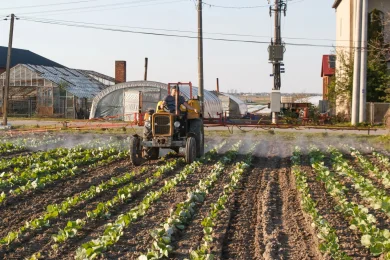
In agricultural landscapes, the expansion of fields and the disappearance of hedgerows, field margins and species-rich grasslands reduce food sources, shelter and opportunities for movement. Insecticides can directly affect the survival of larvae and adults, while herbicides can eliminate the plants on which they depend. The report also describes the risk opposite to agricultural intensification, when the abandonment of extensive grazing and mowing allows shrubs to develop and the open habitats required by certain species to disappear.
Climate change, in turn, restricts the space available to some cold-adapted moths. As suitable conditions shift towards higher altitudes, mountain populations may be left without habitat. The authors give the example of the species Agrotis proverai, which has disappeared from lower altitudes and is now limited to higher areas in Abruzzo, Italy.
Artificial night-time lighting adds pressure that affects orientation, feeding and reproduction. Some species are attracted to light and become more exposed to predators, while others avoid illuminated areas, which may hinder their movement. The authors state that the relative importance of light pollution compared with other decline factors requires further research, even though local effects may be substantial.
The report also records one extinction, that of the species Eupithecia ogilviata from the Azores. Other species are considered possibly extinct, but confirmation remains difficult in the absence of sufficient research. Risk assessment also depends on geographical scale, meaning that a species’ European status may differ from its situation in a particular country.
The documents were available in the EU Publications Office catalogue from July, and the Commission presented its conclusions in a communiqué dated 21 September. The assessment completes the series dedicated to the four pollinator groups targeted by the European initiative, alongside bees, butterflies and hoverflies, flies that can play an important role in pollination.
The conservation plan proposes restoring and connecting habitats, managing land according to species’ needs and reducing unnecessary lighting. Recommended solutions include directing light fixtures downwards, reducing intensity and using sensors or timers to limit the duration of illumination. In parallel, the monitoring scheme developed by the Commission’s Joint Research Centre includes moths and aims to collect comparable data on abundance, diversity and presence, needed to track population trends.
Latest News
23:08
22:58
22:57
22:55
22:54
See more news
NEWS ON THE SAME TOPICS


.webp)