The Green Belt Foundation warns that pollution and artificial barriers threaten the survival of the asprete, Europe's rarest freshwater fish



Always see our news on Google
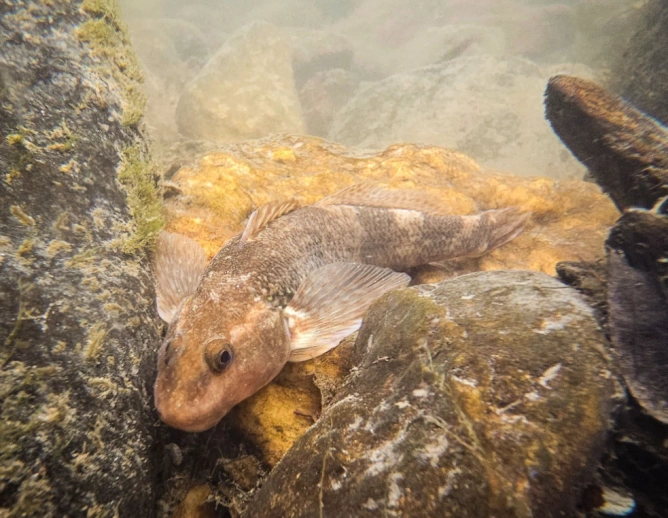
The asprete, Europe’s rarest freshwater fish, is at risk because of pollution and artificial barriers on the Vâlsan River, the Green Belt Foundation warned after its annual monitoring conducted between September 22 and 25, 2026. The species is endemic to Romania and lives exclusively in this river.
Researchers identified 150 specimens at nine of the 21 monitored stations, along approximately 10 kilometers of river. Of these, 114, or 76%, were found along a stretch of just 450 meters, between a concrete weir that blocks fish movement and the Brădetu wastewater treatment plant, which the foundation says is chronically polluting the water.
The number of specimens downstream from the plant fell from 68 in 2025 to 36 in 2026, while 114 specimens were identified in the core section, compared with 113 last year. The organization also warned about insufficient ecological flow, which reduces habitat and oxygen concentration.
Projects are being prepared to remove three artificial barriers and modernize the wastewater treatment plant, for which nearly 500,000 euros have been allocated. The foundation is also proposing the LIFE ASPRETE project, which includes habitat restoration, captive breeding and controlled restocking. “Either we save it now, or we lose it forever,” Alex Găvan warned.
,Sources



Latest News
14:25
14:24
14:18
14:09
13:58
See more news
NEWS ON THE SAME TOPICS