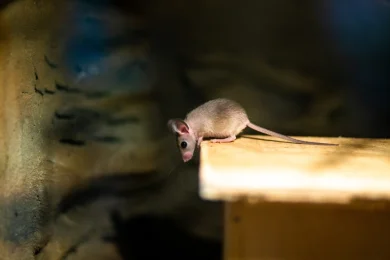
Dobrujan hamsters bred in captivity, released into the wild in spring to repopulate the species



Always see our news on Google
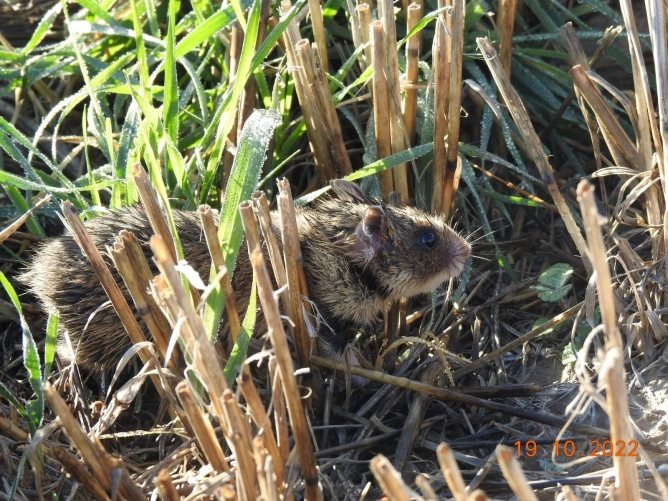
Specimens of the Dobrujan hamster, also known as the Romanian hamster (Mesocricetus newtoni), will be released into the wild in spring as part of a repopulation project aimed at supporting the survival of this protected species. The rodents were bred at the Kalimok experimental station in the Bulgarian town of Nova Cherna by the Institute of Biodiversity and Ecosystem Research of the Bulgarian Academy of Sciences.
Specialists from the Regional Inspectorate for Environment and Water in Ruse analyzed the artificially bred specimens. The action is part of the Life for the Falcon project, funded through the European LIFE+ program, which seeks to develop conservation and adaptation methods for captive-bred animals.
The hamsters are currently preparing for hibernation, a period that begins in November and ends in March. Once it is over, the animals will be released on agricultural land located in Natura 2000 protected areas.
The Dobrujan hamster is endemic and vulnerable, listed in Bulgaria’s Red Book and protected under biodiversity legislation. Its range is limited to the central Danube Plain and Dobruja. Improper farming practices and pesticide use are among the species’ main threats. The Kalimok station, founded in 1995 near the Kalimok-Brashlen wetland, is an important center for biodiversity research and restoration.
,Sources


Latest News
17:27
17:17
17:05
16:55
16:48
See more news
NEWS ON THE SAME TOPICS