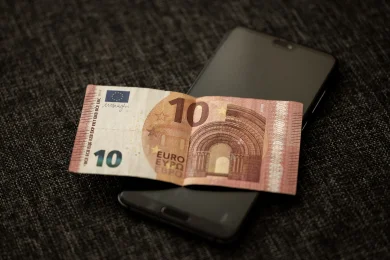
The European Central Bank is facing opposition from banks and MEPs regarding the launch of the digital euro.
Cristina Petrache



Economy
Foto pixabay.com

Always see our news on Google
The European Central Bank's (ECB) plan to launch a digital euro by 2029 faces significant opposition from 14 major banks, including Deutsche Bank and BNP Paribas. These institutions, united in the European Payments Initiative (EPI), warn that a digital euro could undermine private sector payment systems. Banks believe that the current configuration of the digital euro does not provide clear added value for consumers and propose the use of the Wero digital wallet, created to counter the dominance of Visa and Mastercard.
In the European Parliament, Fernando Navarrete, from the European People's Party group, supports a scaled-down version of the digital euro project, considering concerns that the digital currency could threaten the role of the euro. The ECB began analyzing a central digital currency in 2020, and recently decided to adopt the necessary measures for issuing the digital euro, with a pilot program in 2027. Finance ministers from the euro area support the ECB's plans, calling for the swift adoption of legislation.
Navarrete proposes that the digital euro be used only for offline payments, not as a means of real-time payment. A PwC study estimates the costs of launching the digital euro at 30 billion euros for the financial sector, an estimate contested by the ECB, which considers the costs to be much lower. This debate reflects concerns about Europe's strategic autonomy in the face of US payment providers.
In the European Parliament, Fernando Navarrete, from the European People's Party group, supports a scaled-down version of the digital euro project, considering concerns that the digital currency could threaten the role of the euro. The ECB began analyzing a central digital currency in 2020, and recently decided to adopt the necessary measures for issuing the digital euro, with a pilot program in 2027. Finance ministers from the euro area support the ECB's plans, calling for the swift adoption of legislation.
Navarrete proposes that the digital euro be used only for offline payments, not as a means of real-time payment. A PwC study estimates the costs of launching the digital euro at 30 billion euros for the financial sector, an estimate contested by the ECB, which considers the costs to be much lower. This debate reflects concerns about Europe's strategic autonomy in the face of US payment providers.
Sources

Proiectul BCE privind euro digital este sabotat de europarlamentari şi bănci (FT)

Planul BCE de a lansa euro digital se loveşte de opoziţia băncilor europene şi a Parlamentului UE. Giganţii bancari europeni avertizează că un euro digital nu poate aduce beneficii clare, faţă de competitorii privaţi din piaţă

Planul BCE pentru lansarea euro digital se lovește de opoziția băncilor și a europarlamentarilor

Proiectul de introducere a unui euro digital este sabotat de europarlamentari şi bănci (FT)
Latest News
14:53
Romania will be placed in Pot 3 in the draw for the EURO 2028 qualifiers, following its disastrous Nations League campaign / Romania has dropped to 58th place in the FIFA rankings
14:48
George Russell, penalized in the Singapore Grand Prix due to an engine change
14:42
Oana Gheorghiu: PNL will decide whether to support Luca Niculescu after reviewing the government program and team
14:38
Kenya confirms the first Ebola-related death in the country's history
14:29
French students protest in major cities / 200,000 people are expected at demonstrations organized across the country
See more news
NEWS ON THE SAME TOPICS





Personalized news feed, AI-powered search, and notifications in a more interactive experience.