



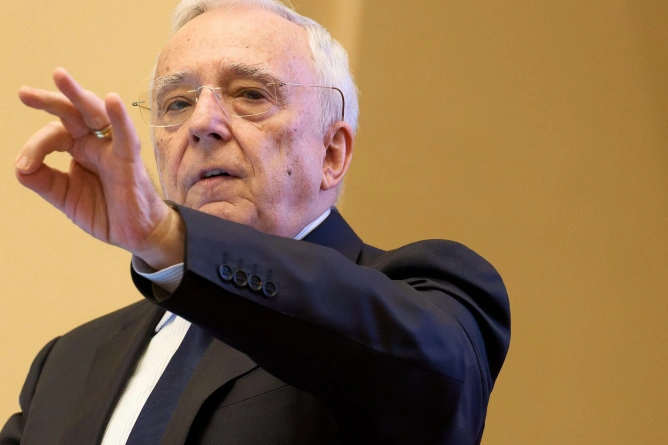
Mugur Isărescu says that the euro would have reached 4.4 lei without market intervention.
Radu Burcă


Economy
Foto: profimedia.com

Always see our news on Google
The National Bank of Romania (BNR) provided the first explanations after the euro increased by almost 3%. Mugur Isărescu, the governor of BNR, stated that the bank did not maintain an artificial exchange rate and intervened in the market by buying foreign currency, thus avoiding the appreciation of the leu. Without these interventions, the euro would have reached 4.4 lei, which would have been beneficial for Romanians with payments in euros, but would have had serious consequences for the economy, including losses for exporters and increased inflation. Isărescu acknowledged that interventions have been reduced recently, and the exchange rate seems to have found a balance. Experts warn that inflation could reach 11%, and Romanians are becoming more cautious in spending. BNR estimates an inflation rate of 5.5% by the end of 2026 and 2.9% in 2027, suggesting that market stabilization could take several months.
Sources

Isărescu susţine că EURO ar fi fost 4,4 lei fără intervenţiile din piaţă. Care ar fi fost efectele

Isărescu demolează isteria creșterii cursului valutar din cauza demiterii lui Bolojan. "Nu am cumpărat valută, am vândut. Cursul s-ar fi făcut 4,4 lei"

Guvernatorul BNR respinge ipoteza menținerii artificiale a cursului valutar
Latest News
16:09
A police officer from Timișoara, indicted after allegedly leaking tips to home burglars
15:57
Alexandru Muraru: “Sorin Grindeanu’s administrative reform is an ordinary fake”
15:56
Study for the European Parliament: State intervention in bank takeovers may fragment the single market
15:47
The Government is analyzing increasing pensions in two stages in 2027, with an estimated increase of between 5% and 7.3%
15:47
An EPRS analysis identifies gaps in drone detection and the response to hybrid attacks
See more news
NEWS ON THE SAME TOPICS
.webp)



Personalized news feed, AI-powered search, and notifications in a more interactive experience.


.webp)

.webp)


