The dense fog disrupted traffic at Iași Airport, with flights canceled and rerouted. Meteorologists announce snow, ice, and strong winds in several regions.
Cristiana Dida



Current Affairs
Foto: Pixabay

Always see our news on Google
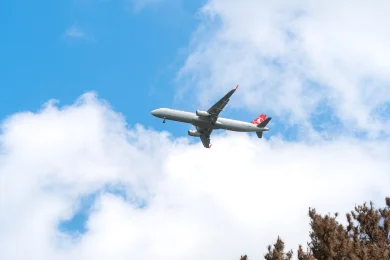
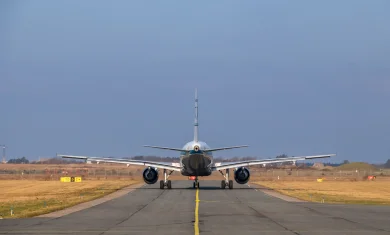
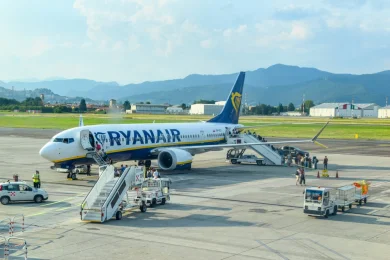
Iasi International Airport was severely affected by dense fog, which reduced visibility below safety levels, causing significant changes to the flight schedule. Flights from Bucharest, Larnaca, and Bergamo were canceled or rerouted to Suceava Airport, while departures to Bucharest, Eindhoven, and Brussels experienced major delays. Airport representatives emphasized that cancellation or rerouting decisions are made by the airlines, which must inform passengers.
Additionally, meteorologists issued a warning for a severe winter episode, with snowfall, ice, and strong winds, valid between January 6 and 8. The affected regions include Banat, Crișana, Maramureș, and Transylvania, where significant precipitation and the formation of a consistent snow layer are expected. The wind will intensify weather conditions, with gusts of up to 85 km/h at high altitudes. A yellow code has also been issued for central, southern, and eastern Transylvania, warning of mixed precipitation and the formation of ice, which can affect both air and road traffic.
Additionally, meteorologists issued a warning for a severe winter episode, with snowfall, ice, and strong winds, valid between January 6 and 8. The affected regions include Banat, Crișana, Maramureș, and Transylvania, where significant precipitation and the formation of a consistent snow layer are expected. The wind will intensify weather conditions, with gusts of up to 85 km/h at high altitudes. A yellow code has also been issued for central, southern, and eastern Transylvania, warning of mixed precipitation and the formation of ice, which can affect both air and road traffic.
Sources


Latest News
22:00
Luca Niculescu supports Marian Neacșu for the Ministry of Internal Affairs
21:54
The Competition Council authorizes the Maisadour-Euralis merger, active in Romania in the seed market and poultry sector
21:39
Cristela Georgescu accuses authorities of political persecution and criticizes the annulment of the 2024 presidential election in an interview given to influencer Mario Nawfal on X
21:25
Donald Trump's spokesperson, Katie Zacharia, fired after less than a week
21:22
Acting Prime Minister, warning to the Niculescu Government: “The most dangerous adversary is still the PSD”
See more news
NEWS ON THE SAME TOPICS

.webp)


Personalized news feed, AI-powered search, and notifications in a more interactive experience.


.webp)