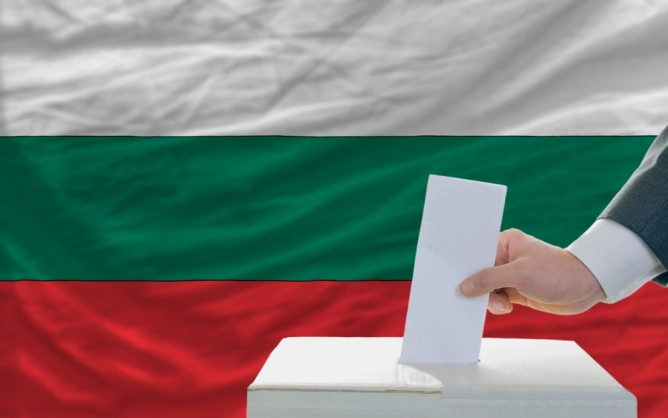
The EU will introduce taxation on all imported packages, regardless of value.




Always see our news on Google
Brussels, November 13, 2025 — The finance ministers of the European Union have decided to eliminate the threshold of 150 euros that allowed the import of low-value goods into the EU without paying customs duties. The decision marks one of the most significant changes to the customs regime in the last decade and aims to combat the systematic undervaluation of small parcels, reduce the competitive advantage of traders outside the Union, and limit the artificial fragmentation of transport.
According to the Council, up to 65% of parcels under 150 euros entering the EU are declared at values lower than their actual worth to avoid customs duties. This phenomenon directly affects European businesses that face unfair competition, especially in areas dominated by e-commerce. In 2024, 91% of e-commerce shipments valued under 150 euros came from China, according to data from the European Commission, illustrating the extent of the trade imbalance.
The application of the new rule will become possible with the launch of the EU Customs Data Hub, the European platform for centralized customs data management. Designed to be operational by 2028, the hub is currently under negotiation between the Council and the European Parliament, as part of the structural reform of the customs union. It will allow for the calculation of customs duties at the item level, thus facilitating the uniform application of taxes for all parcels, including low-value ones, and strengthening controls at the level of member states.
To avoid a long period during which the high volume of parcels would continue to enter the EU without taxation, the ministers agreed on the introduction of a transitional solution starting in 2026. This measure will allow customs authorities to begin collecting duties before the operationalization of the European hub, aiming to reduce budgetary losses and the unjustified competitive advantages of non-EU actors. The Council specified that the technical details of this mechanism will be developed in the coming weeks.
"We ensure that taxes are paid from the first euro, creating fair conditions for European companies," said Danish Minister for Economic Affairs, Stephanie Lose, emphasizing the priority nature of the reform. The elimination of the 150-euro threshold and the introduction of the necessary technical mechanisms represent central pillars of the EU's strategy to modernize the customs system and reduce abuses in international e-commerce.
Latest News
09:25
09:04
08:49
08:31
08:15
See more news
NEWS ON THE SAME TOPICS


.webp)