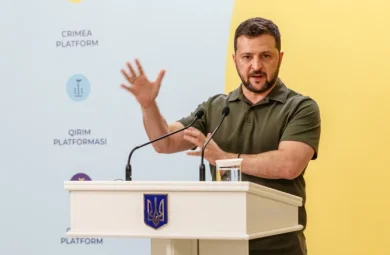

A few days earlier, German Foreign Minister Johann Wadephul reaffirmed his support for Volodymyr Zelenskyy and called for increased pressure on Russia to resume peace negotiations, after Donald Trump called for Zelenskyy to be replaced. Meanwhile, Germany announced that it was maintaining sanctions against Russia, while British Prime Minister Andy Burnham said that the United Kingdom would continue to tighten them.
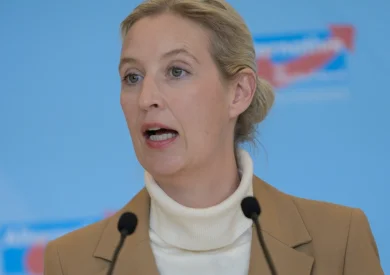
Within Germany, opposition to military aid for Ukraine was also reflected politically: in Saxony-Anhalt, AfD and the left-wing BSW adopted a motion (without legal effect) calling for an end to military support. The motion was voted on the same day that the trial began in Hamburg of a former Ukrainian officer accused of involvement in the sabotage of the Nord Stream pipeline, while the government in Kyiv denied any involvement.
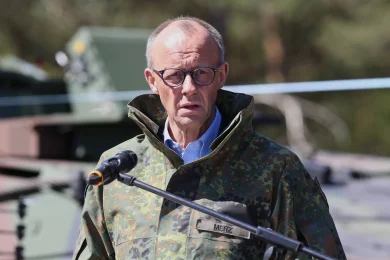
At the same time, AfD leaders attempted to promote the idea of talks with Moscow on energy matters, while Chancellor Friedrich Merz rejected requests for an agreement to import Russian diesel, reiterating that Germany and Europe must maintain pressure on Russia and tighten sanctions.