Ukraine: the difficult search for peace




Always see our news on Google
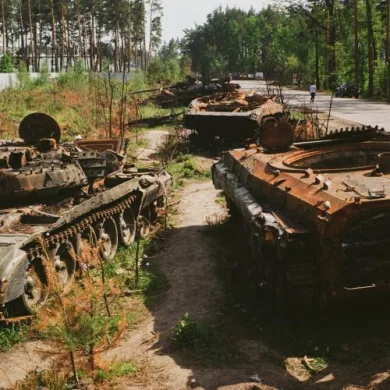
Far from being close, the prospect of peace in Ukraine seems to have drifted even further away. The days of Atlantic solidarity and diplomatic mobilization have been followed by the Russian reaction - a classic one already, of evasion, delay, and military aggression.
For the battle for peace in Ukraine cannot be separated from Russia's imperial ambitions nor from the great tectonic plates of a history in motion, to reiterate the classic Aronian formula. The return to peace is all the more difficult to imagine as the aggressor state uses diplomacy only as a tool meant to buy time, creating the illusion of international respectability, while criminal attacks deliberately target civilian objectives.
Back to discouragement
The main obstacle in the way of any negotiated agreement is Russia's belief that it can win this confrontation militarily. As long as this perception lasts and as long as Communist China is prepared to support it, Russia will remain faithful to a brutal and criminal model of warfare. Expecting a voluntary change in Russia's conduct is a fatal illusion.
Russia started this decade-old war encouraged by the absence of deterrence. In 2014, as in 2022, the United States missed the opportunity to send an unambiguous message regarding the risks of aggression. Presidents Obama and Biden are responsible for the emergence of a context that allowed Russia's successive attacks. Europe, in turn, has decisively contributed to this failure of collective deterrence. The current dramatic impasse is the result of strategic errors: correcting them requires a tenacious effort, supported by a new vision of the future.
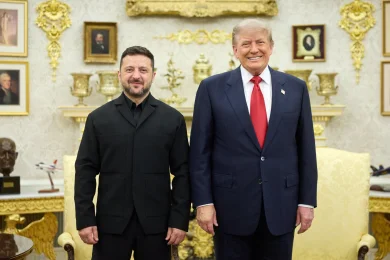
The dilemma of the Trump administration is similar, up to a point, to that faced by the Nixon administration in Vietnam: diplomacy is powerless in the face of an enemy that prefers to fight. This time, the context is altered by the direct involvement of a nuclear state as the aggressor. Military escalation in Vietnam can no longer be an immediate option.
Any architecture of peace guarantees cannot be complete as long as Russia's will to wage this war remains intact. And this ambition is evident in the formulation of its peace program: its implementation would mean reducing Ukraine to vassalage and undermining its statehood.
Russia is, despite sanctions and economic decline, prepared to choose military force and refuse genuine negotiation. Strengthening the unequal alliance with Communist China is its only realistic option: the revisionist axis is consolidating, thanks to this common denominator of frustration and resentment.
To be institutionally and symbolically relevant, diplomacy must be preceded by the restoration of deterrence. And the purpose of deterrence is clear: to convince Russia that it cannot win the war on the front. The military impasse must become evident and dramatic for Russia, to allow for negotiations.
The irritation of the Trump administration may be the first step towards a policy of restoring deterrence. For Russia to accept negotiations, Ukraine needs not only to resist but also to be capable of credibly inflicting damage on Russian power. To aspire to a future negotiated agreement, balance and deterrence are necessary: both goals can be achieved by strengthening Ukraine's defense and offensive capabilities.
A failure in Ukraine will invite Communist China to aggression in Taiwan, while an unrestrained Russia will threaten our nations. Peace can only emerge from containment and rearmament. Restoring deterrence is the first step in the battle for peace in Ukraine.
Latest News
19:00
18:48
18:41
18:41
18:30
See more news
NEWS ON THE SAME TOPICS