The two speeds of Europe
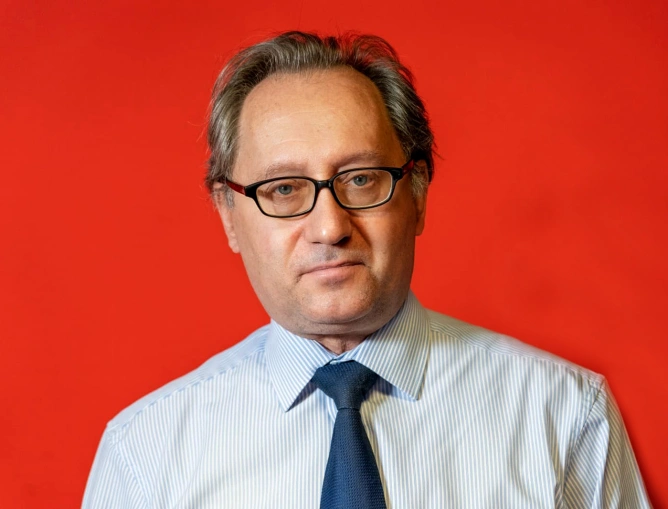
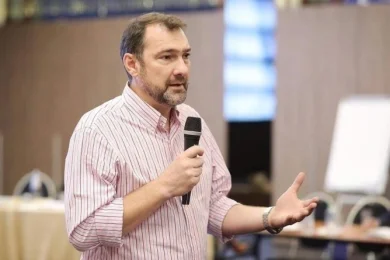
Constantin Rudnițchi, redactor șef NewMoney.ro


Opinions
Foto NewMoney

Always see our news on Google
"A Europe with two speeds" is not a new idea. It was first launched in the official documents of the European Commission under the presidency of Jean-Claude Juncker in 2017. "Europe with two speeds" had at that time a variant with more concentric circles. The variant of "two speeds" was abandoned then because economically advanced states did not want to demotivate the less developed member countries, especially those in Eastern Europe.
Moreover, at that time, the European Union was still living the beautiful dream of cohesion, of equal voting rights, of reducing development gaps, of harmonizing interests, and of taking steps towards "more Europe".
Today, Europe is in a much more complicated situation than it was a decade ago. It has overcome a pandemic crisis, is going through an energy crisis, and must respond to the challenges of a war at its borders. In this situation, Europe is obliged to set aside the management of divergent pride and interests and to take action.
The two speeds of the European Union are evident, and upon deeper analysis, one can find not two, but even three speeds. There are many criteria based on which differentiation can be made. On one hand, there are economic indicators such as GDP per capita, budget deficit, public debt, or many others. On the other hand, the criterion of respecting the rule of law has become important (it is very likely that in the next multiannual budget exercise it will even be a condition for the allocation of European funds), but at the same time, it is very sensitive.
Beyond the quantitative or qualitative criteria that can be taken into account to characterize the speed at which member states operate, there is, at this moment, an extremely important characteristic, namely the desire for change.
For the first time in its history, the European Union is willing to change its philosophy. Thus, states that wish to reform the Union no longer want to wait for "everyone else"; they are no longer willing to make countless compromises to reach unanimity. Too much democracy risks killing democracy.
This is visible, for example, from the experience of "coalitions of will". States that are determined to support Ukraine have formed a "coalition of will", leaving aside those that have had reservations or even expressed opposition to this subject.
Recently, five European military powers announced that they are launching a joint plan for drone production, and at the recent informal meeting in Belgium of European leaders, there was discussion about "enhanced cooperation", meaning a mechanism that allows decisions on certain reform issues to be made with the agreement of only nine European states.
At the end of last week, Christine Lagarde, the president of the European Central Bank, spoke in an interview for the American publication "Wall Street Journal" about the fact that the Union does not need the agreement of all 27 member states to move forward. Lagarde cited the example of the eurozone, made up of only 21 countries, to show that deeper integration can function without the unanimity of member states.
Of course, many voices will be raised saying that the European Union has lost its original spirit or that strong states want to impose themselves on the smaller ones. But let's take a practical example: the European Union wants to vote and apply the 20th package of sanctions against Russia. Hungary has announced that it will block this package by vote. The question is: what should the member states do?
The European Union needs changes (reforms). The most frequently mentioned are the integration of capital markets, the harmonization of the legal framework for companies within the Union, or the coordination of financing and the conduct of research and innovation activities. For example, in Munich, the president of the European Commission, Ursula von der Leyen, announced the 28th regime for European companies, which means equal establishment and capital regimes for European companies. A very good idea, except that recently European officials announced that this regime will only be functional at the end of this year. Very late, because entrepreneurs would have expected it to be resolved in a few weeks, not in 10 months. Therefore, Europe is already suffering from reduced speed. If the second speed blocks the first speed, Europe moves even slower than it would naturally.
It is fair to recognize that the European Union already has two speeds, that there are states that promote change more than others, that Europe needs reforms, and that the countries initiating them can increase the speed, with the rest following or not. Obviously, the theme and any decisions made in this system will generate many controversies. But, it could be the only way for the European Union to truly gain speed.
Moreover, at that time, the European Union was still living the beautiful dream of cohesion, of equal voting rights, of reducing development gaps, of harmonizing interests, and of taking steps towards "more Europe".
Today, Europe is in a much more complicated situation than it was a decade ago. It has overcome a pandemic crisis, is going through an energy crisis, and must respond to the challenges of a war at its borders. In this situation, Europe is obliged to set aside the management of divergent pride and interests and to take action.
The two speeds of the European Union are evident, and upon deeper analysis, one can find not two, but even three speeds. There are many criteria based on which differentiation can be made. On one hand, there are economic indicators such as GDP per capita, budget deficit, public debt, or many others. On the other hand, the criterion of respecting the rule of law has become important (it is very likely that in the next multiannual budget exercise it will even be a condition for the allocation of European funds), but at the same time, it is very sensitive.
Beyond the quantitative or qualitative criteria that can be taken into account to characterize the speed at which member states operate, there is, at this moment, an extremely important characteristic, namely the desire for change.
For the first time in its history, the European Union is willing to change its philosophy. Thus, states that wish to reform the Union no longer want to wait for "everyone else"; they are no longer willing to make countless compromises to reach unanimity. Too much democracy risks killing democracy.
This is visible, for example, from the experience of "coalitions of will". States that are determined to support Ukraine have formed a "coalition of will", leaving aside those that have had reservations or even expressed opposition to this subject.
Recently, five European military powers announced that they are launching a joint plan for drone production, and at the recent informal meeting in Belgium of European leaders, there was discussion about "enhanced cooperation", meaning a mechanism that allows decisions on certain reform issues to be made with the agreement of only nine European states.
At the end of last week, Christine Lagarde, the president of the European Central Bank, spoke in an interview for the American publication "Wall Street Journal" about the fact that the Union does not need the agreement of all 27 member states to move forward. Lagarde cited the example of the eurozone, made up of only 21 countries, to show that deeper integration can function without the unanimity of member states.
Of course, many voices will be raised saying that the European Union has lost its original spirit or that strong states want to impose themselves on the smaller ones. But let's take a practical example: the European Union wants to vote and apply the 20th package of sanctions against Russia. Hungary has announced that it will block this package by vote. The question is: what should the member states do?
The European Union needs changes (reforms). The most frequently mentioned are the integration of capital markets, the harmonization of the legal framework for companies within the Union, or the coordination of financing and the conduct of research and innovation activities. For example, in Munich, the president of the European Commission, Ursula von der Leyen, announced the 28th regime for European companies, which means equal establishment and capital regimes for European companies. A very good idea, except that recently European officials announced that this regime will only be functional at the end of this year. Very late, because entrepreneurs would have expected it to be resolved in a few weeks, not in 10 months. Therefore, Europe is already suffering from reduced speed. If the second speed blocks the first speed, Europe moves even slower than it would naturally.
It is fair to recognize that the European Union already has two speeds, that there are states that promote change more than others, that Europe needs reforms, and that the countries initiating them can increase the speed, with the rest following or not. Obviously, the theme and any decisions made in this system will generate many controversies. But, it could be the only way for the European Union to truly gain speed.
Latest News
15:22
One ship sank and another was hit by drones off the coast of Bulgaria. The attacks are reaching the agenda of EU leaders
15:22
Radu Miruță accuses former PSD officials of wanting to sell the shipyard for €10 million
15:12
DNA detained the head of the Ilfov Driver’s License Office and a subordinate for taking bribes
15:10
PNL will vote for the Luca Niculescu Government and remain in opposition: “Our desire is to put an end to the political crisis that Romania has been going through for 160 days”
15:02
Smart glasses that record passers-by come under scrutiny from EU data protection authorities
See more news
NEWS ON THE SAME TOPICS
Opinions
Europe’s new energy doctrine

Opinions
The Big Stake

Personalized news feed, AI-powered search, and notifications in a more interactive experience.






.webp)