



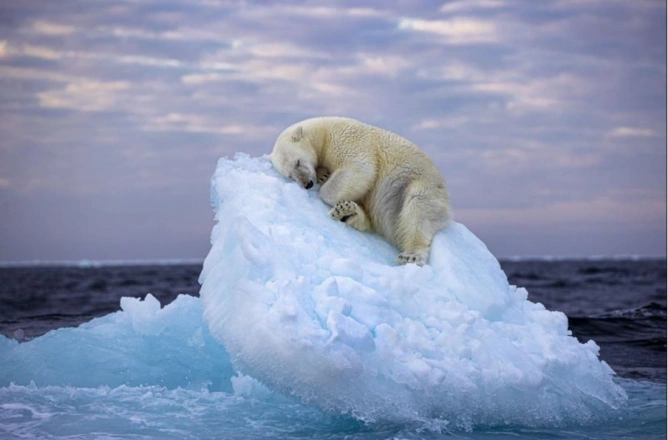
Polar bears are facing the possible total extinction by the end of the century due to climate change, but a study suggests that their DNA could allow adaptation to warmer environments.



Always see our news on Google
Polar bears are threatened with total extinction by the end of this century due to climate change, which severely affects their habitat. The marine ice platforms, essential for hunting, are rapidly diminishing, leading to a food shortage. Researchers estimate that over two-thirds of the polar bear population will disappear by 2050. However, a study conducted by scientists at the University of East Anglia found that the DNA of polar bears plays a crucial role in their adaptation to these changes. Analyzing blood samples from bears in Greenland, researchers observed increased activity of jumping genes, which could help bears cope with thermal stress and adapt to poorer diets.
Dr. Alice Godden, the lead researcher, emphasizes that these findings provide a genetic model for adaptation but warns that bears remain continuously exposed to extinction risks. It is essential to reduce carbon emissions to protect these animals. The study suggests that other populations of polar bears should also be analyzed to better understand the species' genome before it is too late.
Sources



Latest News
20:21
20:14
20:09
20:05
19:50
See more news
NEWS ON THE SAME TOPICS









.webp)


