


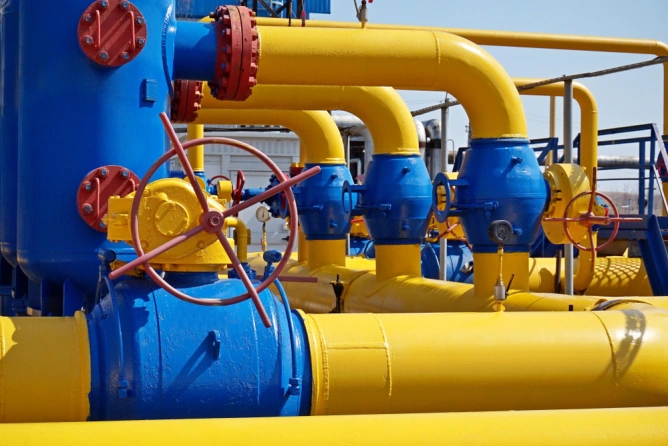

Context: tensions in the Middle East have reshaped LNG flows and pushed Europe toward energy alternatives, while in the US electricity demand is rising due to data centers
Before the new forecasts regarding US production, the conflict between Iran and the US and the blockage of the Strait of Hormuz had affected global LNG deliveries, and companies around the world began to secure their supplies. One example is the agreement between QatarEnergy and Cheniere Energy for the long-term purchase of liquefied natural gas from the US, intended to offset reduced exports following attacks on energy infrastructure in Qatar and transportation difficulties through the strait.
At the same time, higher gas prices had effects in the EU: after exceeding the threshold of 80 euros/MWh, utilities increased coal-based generation, with forecasts indicating an approximately 25% increase in electricity generated from this source in the coming months.
In the US, energy demand was already being driven higher by the expansion of data centers dedicated to artificial intelligence and cloud services, with Moody’s estimating that the US could develop more than 30 GW of new energy capacity for this sector.












.webp)


