The UK Government presents the agreement with the EU to Parliament, but its implementation remains uncertain without a pact on European students



Always see our news on Google
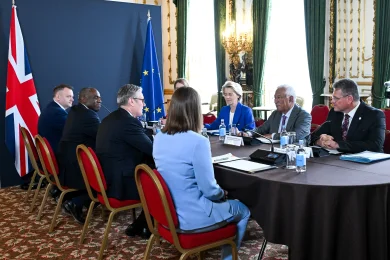
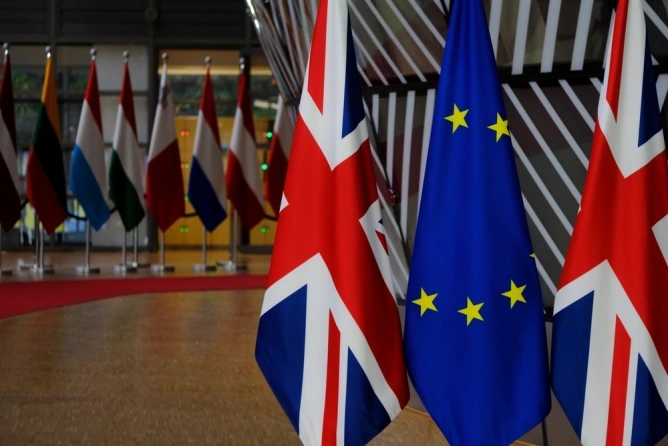
The UK Government presented Parliament in London on Thursday with the bill for the trade and energy agreement concluded with the European Union, but implementation of the deal remains uncertain in the absence of an agreement on European citizens’ access to universities in the United Kingdom.
Prime Minister Andy Burnham reached an agreement with Brussels on 20 November. The document provides for streamlined checks on British food exports, closer alignment of emissions trading systems and measures to facilitate student mobility.
The bill, titled Cutting Costs, is due to be debated by the House of Commons and should receive approval at first reading on 7 December. The Government says the agreement is essential for the British economy, given that the European Union is the United Kingdom’s main trading partner and 58% of British food exports go to the European market.
The text introduces a sanitary and phytosanitary pact based on common food safety standards, a measure that would eliminate health certificates and some of the trade bureaucracy. Linking emissions markets could spare British exports from estimated European carbon charges of £6.5 billion.
Although Labour has a comfortable majority, the agreement is opposed by the Conservatives and Reform UK. Negotiations on university fees for European students will continue for approximately six months, with Brussels considering the issue inseparable from the rest of the agreement.
ぎ,Sources


Latest News
22:35
22:03
21:56
21:29
20:58
See more news
NEWS ON THE SAME TOPICS