The blockade in the Strait of Hormuz is causing alarming increases in food prices in the Persian Gulf




Always see our news on Google
The war triggered on February 28 by the Israeli-American offensive against Iran has severely disrupted the flow of goods in the Persian Gulf, causing a significant increase in food prices. Residents in the region observe that meat prices have nearly doubled.
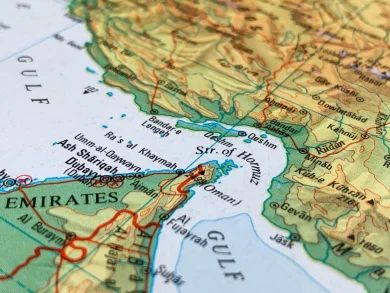
Most ports in the United Arab Emirates, Qatar, Kuwait, and Bahrain have suspended operations, and air transport is operating at reduced capacity due to Iranian attacks.
Saudi Arabia has become a central supply point in the Persian Gulf region, as its airspace remains open, and maritime traffic to its ports on the Red Sea continues.
The Gulf states are facing evident imbalances in light of this situation. Saudi Arabia benefits from direct access to the Red Sea, while the United Arab Emirates claims to have stocks for four to six months. Qatar has significantly bolstered its strategic reserves after the blockade imposed by neighbors between 2017 and 2020.
In contrast, Bahrain and Kuwait are already feeling the effects of the conflict, with their consumers bearing the brunt of rising prices.
Supermarkets in the region are trying to maintain stocks of non-perishable goods and transport fresh products through special flights.
However, experts warn that, in the context of a prolonged war, the risks of rising food prices remain high.
Sources


Latest News
13:00
12:45
12:28
12:14
12:10
See more news
NEWS ON THE SAME TOPICS
.webp)