The European Parliament launches strict monitoring of the minimum wage, after the CJEU validated the directive.



Always see our news on Google
Brussels, November 18, 2025 – Members of the European Parliament from the Employment and Social Affairs Committee (EMPL) have launched a special monitoring group to oversee the implementation of the directive on adequate minimum wages in the European Union. This move comes just a week after the Court of Justice of the EU (CJEU) confirmed the legal validity of the legislation, rejecting a challenge from Denmark and thus strengthening Brussels' mandate to ensure a decent living for European workers.
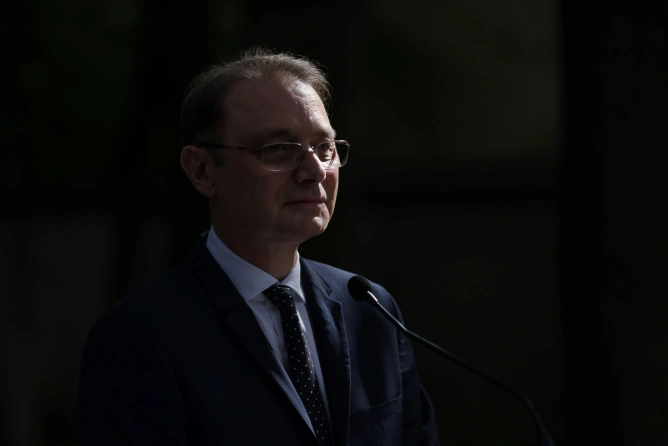
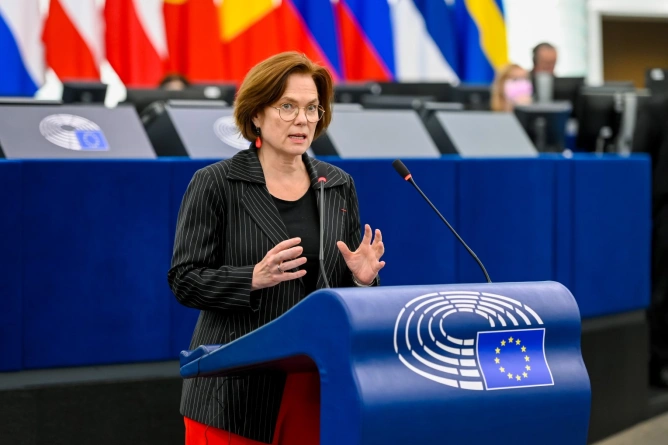
The new monitoring group, co-chaired by Dennis Radtke (EPP, Germany) and Marit Maij (S&D, Netherlands), is tasked with examining how member states transpose the legislation. MEPs will organize periodic debates with the European Commission, national authorities, and social partners to ensure that the law does not remain just on paper.
The parliamentary initiative gains increased weight in the context of the CJEU's decision on November 11, 2025. The Court confirmed that the directive has a solid legal basis, validating the obligation of member states to establish clear criteria for fair wages and to promote collective bargaining.
"The Court of Justice stated that Europe supports strong legislation that protects workers... Now is the time for countries in Europe to act quickly and implement the Directive without further delays,"
said co-chair Marit Maij.
Dennis Radtke added that "it is time to fulfill our promises," emphasizing that fair minimum wages are vital for the social market economy.
The urgency of properly applying the directive is underscored by the persistent economic disparities within the single market. According to Eurostat data from early 2025, wage differences remain considerable. While in Luxembourg the gross minimum wage reached 2,638 euros, in ten member states it was below 1,000 euros. Romania (814 €) and Bulgaria (551 €) are at the lower end of the ranking, highlighting the gap between East and West.
The Directive (EU) 2022/2041 does not impose a single minimum wage at the European level but requires each state to update its own minimum wage based on criteria such as the cost of living and purchasing power, aiming to reduce in-work poverty.
Latest News
23:02
22:34
22:03
21:43
21:24
See more news
NEWS ON THE SAME TOPICS





.webp)