The EU accelerates rules for pesticides and introduces a "technical zero" for imports.



Always see our news on Google
The European Commission will launch a legislative package to simplify the food and pesticide sectors, which accelerates authorizations, reduces administrative burden, and tightens rules for residues in imported products.
The European Union is preparing a comprehensive review of the rules regarding pesticides and food safety, through an "omnibus" legislative package aimed at accelerating authorizations for low-risk substances, reducing bureaucracy, and enforcing stricter rules for imported products.
In short
Faster authorizations for low-risk pesticides and biocontrol products
Streamlined and science-based renewal procedures
Introduction of a "technical zero" for three substances banned for import
Increased border controls for agri-food products
According to the conclusions of the extraordinary meeting of agriculture ministers, convened by the European Commission and the Cypriot Presidency of the EU Council, the Commission presented a legislative package to simplify the food and pesticide sectors, known as the "Food and Feed Omnibus".
The package aims to make the regulatory framework more predictable for farmers by granting unlimited authorization for pesticides considered to have the lowest risk level and by replacing automatic renewals, based on deadlines, with more streamlined and scientific procedures. The Commission also wants to significantly reduce the time it takes to bring new products to market, which currently can take eight to ten years, especially for biocontrol products.
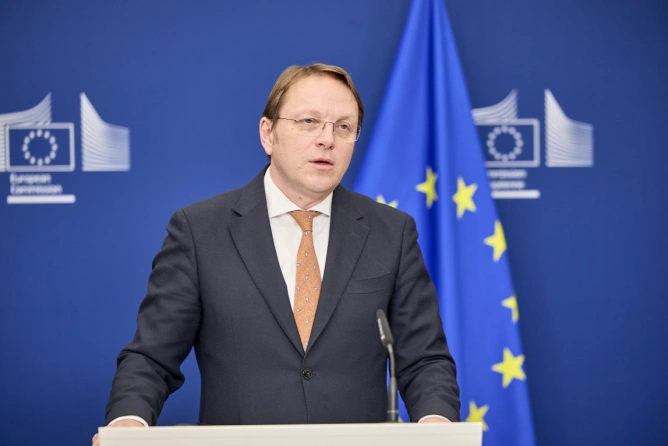
"Whenever we consider the removal of a product, we must ensure that there are alternatives for farmers and that these alternatives are not just theoretically available, but are practical, effective, and accessible, so that farmers have real options on the ground," said Olivér Várhelyi, European Commissioner for Health and Food Safety.
At the same time, the European executive proposes tightening the rules for imports by applying the principle that substances banned in the EU cannot re-enter the internal market through products from third countries. In this regard, the Commission has initiated procedures to lower the maximum residue level for three active substances, carbendazim, benomyl, and thiophanate-methyl, to "zero technical," which would equate to banning imports containing such residues.
The measures are also accompanied by strengthening border controls, by increasing audits and checks for imported agri-food products, in order to ensure the effective application of European food safety standards.
The initiative reflects a shift in the EU's agricultural policy, which seeks to combine health and environmental protection objectives with maintaining the competitiveness of European farmers. The Commission estimates that the simplification package could generate savings of approximately one billion euros per year for farmers, industry, and administrations, insisting that the transition to safer substances must be supported by practical solutions on the ground.
Latest News
15:11
15:08
15:04
15:02
14:49
See more news