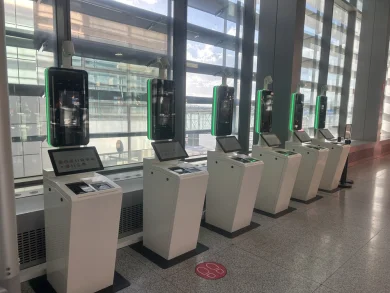
Non-EU citizens will be registered through EES upon entry into Schengen, collecting biometric data for a stay of up to 90 days.




Always see our news on Google
Citizens from third countries entering the Schengen area will be registered through the EES (Entry/Exit System) at border crossing points. This system will collect biographical and biometric data, including photographs and fingerprints, upon first entry, allowing them to remain in Schengen for a period of up to 90 days within a 180-day window. Subsequent entries will only require a facial biometric check.
Chief Commissioner Anton Zlatanov emphasized that the registration of citizens from third countries will enhance security at the European level. Although the EES system is set to be implemented on October 12, 2025, it is estimated that initially only 10% of registrations will be completed, with a gradual increase to 100% over the summer. This will generate queues and delays for those crossing the Schengen border for the first time, but it is expected that the issues will be resolved by then. The EES is not connected to the internet, which reduces the risks of data leakage.
Sources


Latest News
23:05
22:44
22:20
22:04
21:44
See more news
NEWS ON THE SAME TOPICS