North Korean hackers stole cryptocurrencies worth 2 billion dollars in 2025
Cristina Petrache



International
Foto Alexander Khitrov / Shutterstock.com

Always see our news on Google
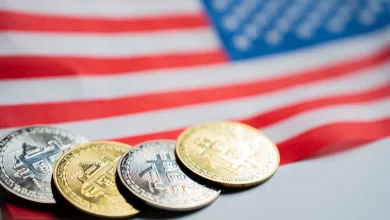
According to Chainalysis analysis, hacker groups from North Korea stole 2,025 cryptocurrencies worth approximately 2 billion dollars in 2025, representing 60% of total global thefts. Although the number of attacks decreased by 74% compared to the previous year, their impact has increased, targeting large platforms to maximize effect. A notable example is the 1.5 billion dollar heist from the Bybit exchange, considered the largest in history.
These cyber activities are part of a structured revenue system, state-supported, that helps finance national programs and evade international sanctions. Between 2017 and 2023, North Korea stole 3 billion dollars through 58 attacks. The regime has invested in modernizing cyber capabilities, contradicting the stereotype that it would be a technologically backward country. Computer training began in the 1990s, creating a sophisticated operating system in the field of cybercrime.
These cyber activities are part of a structured revenue system, state-supported, that helps finance national programs and evade international sanctions. Between 2017 and 2023, North Korea stole 3 billion dollars through 58 attacks. The regime has invested in modernizing cyber capabilities, contradicting the stereotype that it would be a technologically backward country. Computer training began in the 1990s, creating a sophisticated operating system in the field of cybercrime.
Sources



Latest News
23:01
Ministry of Finance: Romania still has €6.43 billion to receive through the NRRP. The European Commission’s decision is expected by November 20
22:57
Approximately 6,800 minors detained in France amid protests at schools / Lawyers report possible abuses by law enforcement
22:53
Franța și Germania propun relaxarea țintei de emisii pentru mașinile noi din 2035 în schimbul unor reguli favorabile producției europene
22:50
The Commission will create a European coalition of companies against human trafficking
22:43
South-East and South-West Oltenia have 38% and 36% of their populations at risk of poverty or social exclusion
See more news
NEWS ON THE SAME TOPICS



.webp)


Personalized news feed, AI-powered search, and notifications in a more interactive experience.


.webp)