Special Informat.ro / After Harald, a new king for a Norway in mourning and a monarchy under pressure



Always see our news on Google
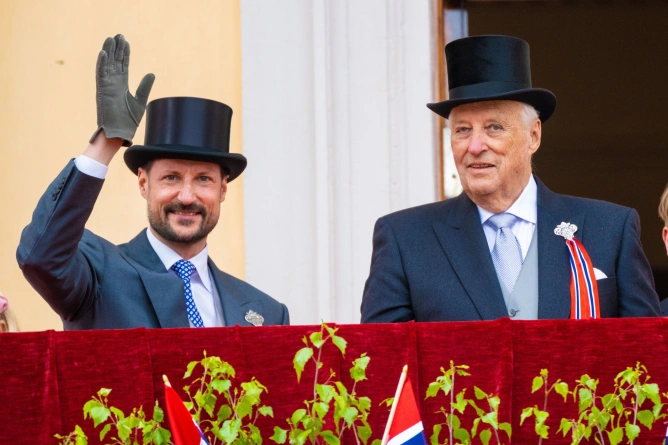
King Harald V of Norway died on Friday morning, at the age of 89, and the succession occurred automatically: his son, Crown Prince Haakon becomes King Haakon VIII. The death of the monarch, a deeply respected figure associated with the modernization of the Royal House, opens a sensitive period for the institution, which has been affected in recent years by health issues and family scandals.
King Harald V, the oldest reigning European monarch and head of the Norwegian state since 1991, passed away on Friday at the National Hospital in Oslo. The Royal Palace announced that the sovereign died peacefully at local time 06:35, after being hospitalized since August 17 for treatment of a rare blood condition, later complicated by a bacterial infection in the blood.
The news marks the end of a day of tension and emotional mobilization in Norway. The day before, the king's condition had been described by the Palace as "extremely serious," and Queen Sonja, Crown Prince Haakon, and Crown Princess Mette-Marit canceled their public engagements to remain at his bedside.

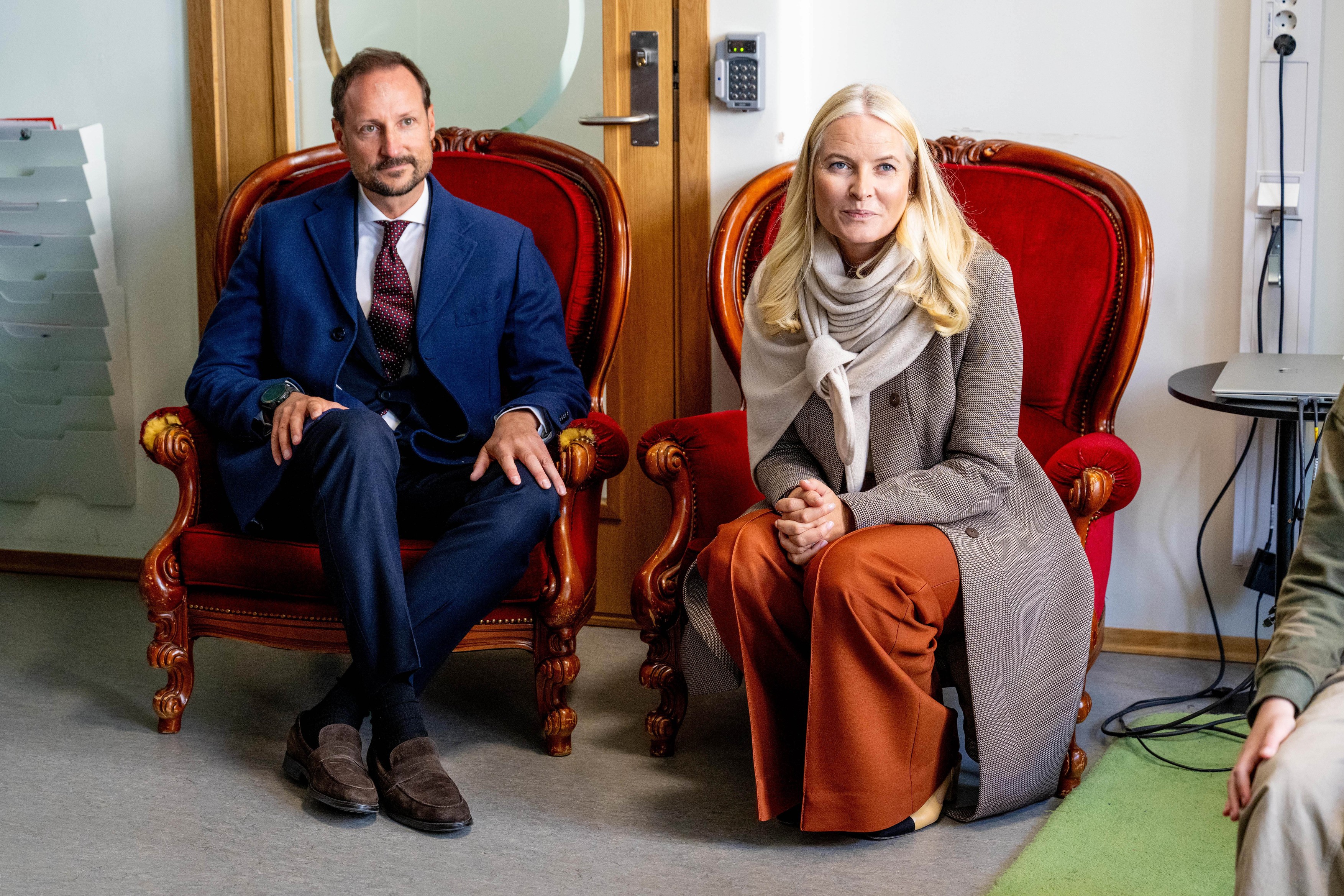
Mette-Marit and Haakon / PHOTO: SplashNews.com / Splash / Profimedia
A country in mourning
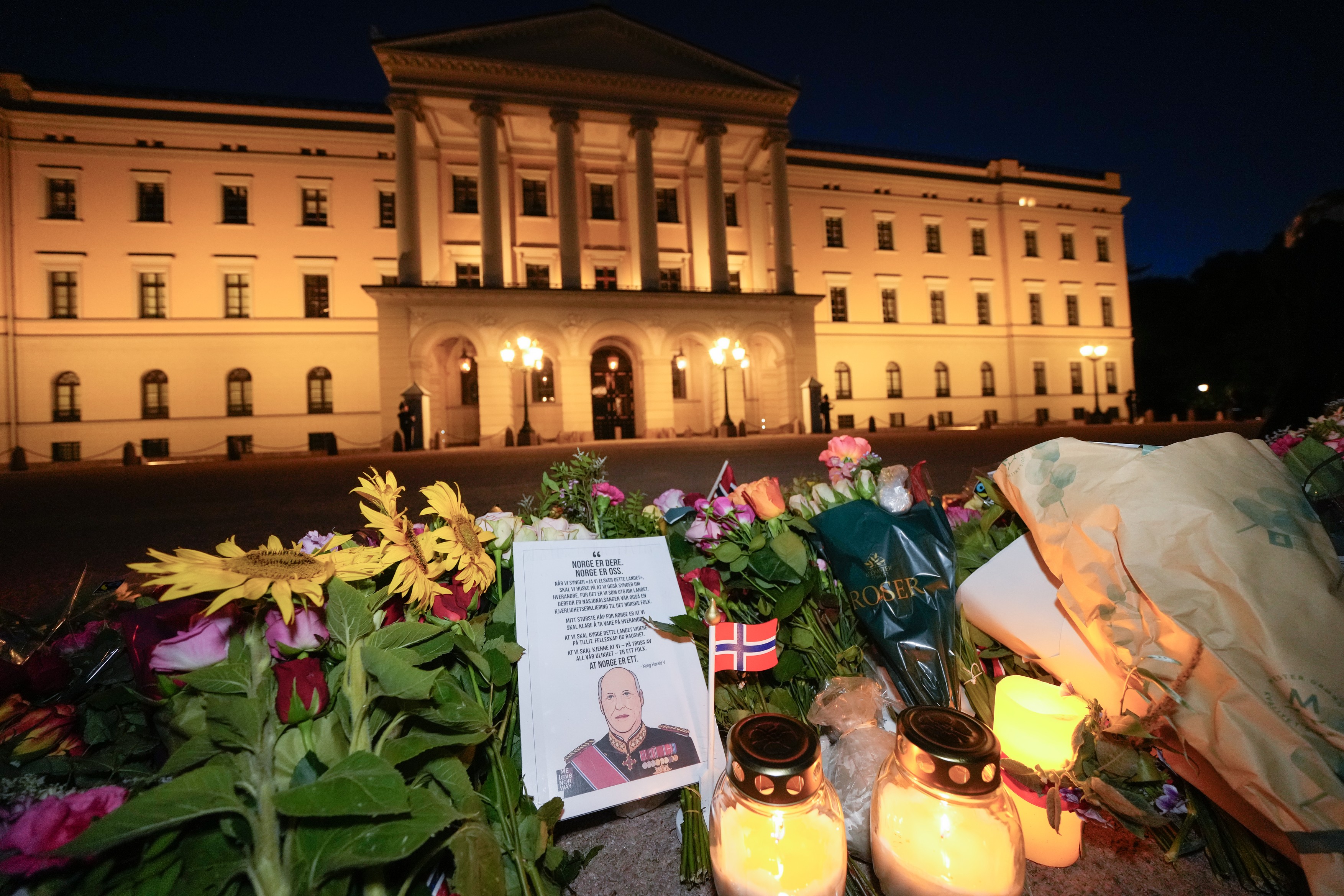
On Thursday evening, thousands of people gathered in front of the Royal Palace in Oslo, where they laid flowers, lit candles, and left messages for the sovereign. Similar gestures were reported in other Norwegian cities, amid the anticipation of information about the king's health.

Julia Wäschenbach / DPA / Profimedia
The atmosphere is one of public mourning, but also of gratitude towards a monarch perceived as stable, direct, and close to society. The reaction around the Palace recalls the night of January 17 to 18, 1991, when, after the death of King Olav V, Norwegians filled the square in front of the royal residence with flowers and candles.
 Odd ANDERSEN / AFP / Profimedia
The Prime Minister and other high-ranking officials adjusted their schedules in light of the worsening health condition of Harald, a sign of the important symbolic role the king held in a constitutional monarchy with limited political powers.
Odd ANDERSEN / AFP / Profimedia
The Prime Minister and other high-ranking officials adjusted their schedules in light of the worsening health condition of Harald, a sign of the important symbolic role the king held in a constitutional monarchy with limited political powers.
Heiko Junge / NTB Scanpix / Profimedia
Who was Harald
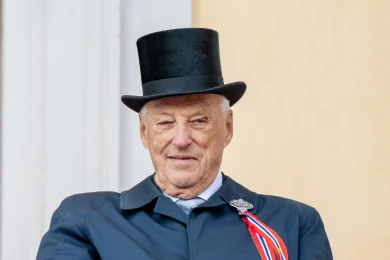
Born on February 21, 1937, Harald ascended to the throne in 1991, after the death of his father, King Olav V. He reigned for 35 years and was the first king of Norway born on the territory of the country since the 14th century.
He inherited a monarchy with a significant symbolic burden, marked by the prestige of his grandfather, Haakon VII, who became a symbol of Norwegian resistance during the Nazi occupation, and by the popularity of his father, Olav V. Over time, Harald built his own image: that of a more modern sovereign, less rigid, and capable of speaking directly about equality, belonging, and the diversity of Norwegian society.
His marriage to Sonja Haraldsen, a woman without aristocratic origins, was at the time a break with the old conventions of European royal families. Their relationship, kept away from the public for years until its acceptance became inevitable, later contributed to bringing the Royal House closer to an egalitarian Norwegian society.
The king remained active into advanced age, despite numerous health issues in recent years. He had, among other things, a pacemaker, underwent medical procedures, and gradually reduced the number of public appearances, while Haakon frequently took on regent duties.
Succession: Haakon VIII
According to Norwegian constitutional tradition, the new sovereign takes the crown at the moment of the predecessor's death. The formula is the same as that invoked during the succession in 1991: "The king is dead – long live the king."
SplashNews.com / Splash / Profimedia
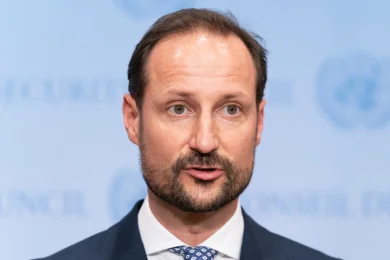
Crown Prince Haakon, at the age of 53, thus becomes King Haakon VIII. He had already been regent since August 17, during which time he fulfilled his father's duties during the hospitalization.
The new king's eldest daughter, Princess Ingrid Alexandra, becomes the direct heir to the crown and receives the status of Crown Princess. She is the first woman in Norway's history to be first in the line of succession due to the rule of equal succession between sexes, applied to generations born after the constitutional reform.
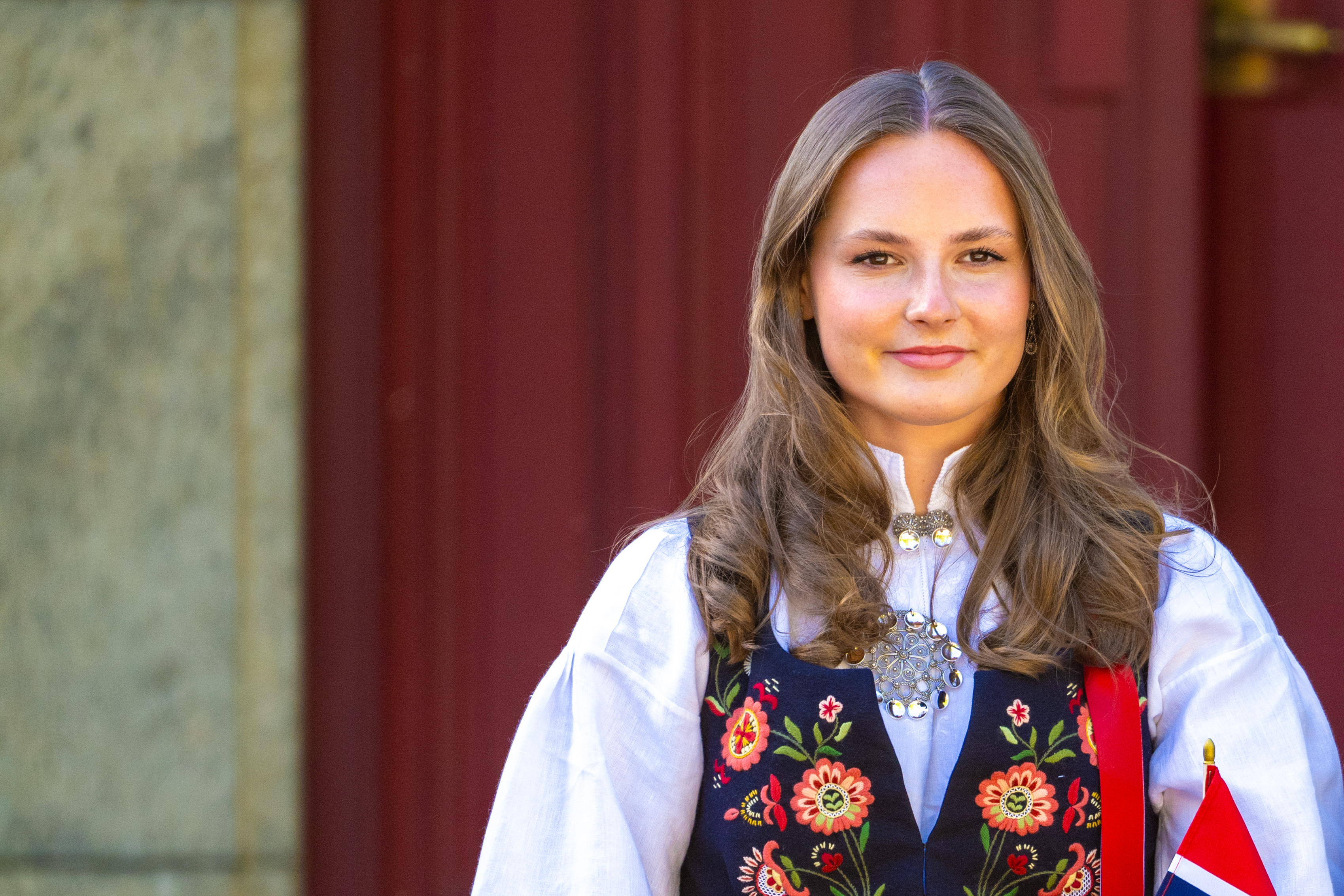
Princess Ingrid Alexandra of Norway / PHOTO: BACKGRID / Backgrid USA / Profimedia
Haakon takes the throne with the advantage of a long institutional preparation and a comparatively solid personal image. In a Norstat poll for the public broadcaster NRK, he received a score of 7.9 out of 10 for how he represents the royal family, below Harald and Sonja, but well above his wife.
The scandal surrounding Mette-Marit
The succession takes place in a difficult context for Crown Princess Mette-Marit, who becomes queen. In 2026, American documents brought back into attention her friendship with Jeffrey Epstein, the American financier and convicted sex offender.
Mette-Marit stated that she was manipulated and misled by Epstein and apologized for the choice made in maintaining the relationship. She is not accused of any crimes in this case.
However, the subject has caused a significant erosion of public trust. A Verian poll commissioned by TV2 showed that 47.6% of respondents believed that Mette-Marit should not become queen, compared to 28.9% who supported the opposite; 23.5% had no opinion.
The reputational crisis was amplified by the case of her son, Marius Borg Høiby, from a previous relationship. The BBC notes that family issues and scandals have contributed to the decline in support for the monarchy, precisely at a time when Haakon must become the guarantor of continuity.
The popularity of the monarchy Harald remained, until his death, much more popular than the institution he embodied. In a Norstat poll cited by the Norwegian press, the king received 9.2 points out of 10 for how he represented the royal family, while Queen Sonja received 8.6 points.
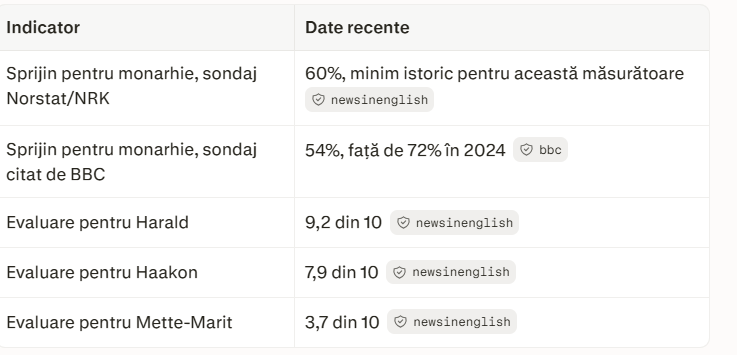
In contrast, general support for the monarchy has dropped to 60%, the lowest level recorded by Norstat, after previously traditionally hovering around the 80% threshold. Other data cited by the BBC indicate a drop from 72% in 2024 to 54%, depending on the question and methodology of the poll.
The differences between these polls do not allow for a direct comparison, but the direction is clear: Harald retains a moral authority that the royal family, as a whole, has partially lost in recent years.
The stakes for the new ruler
The death of Harald does not change the day-to-day governance of Norway, a parliamentary democracy in which the executive and legislative hold effective political power. But it changes the symbolic center of gravity of the country during a period marked by war in Europe, economic concerns, and a more visible debate about the utility of the monarchy.
For Haakon, the immediate challenge will be to preserve the trust capital left by his father, to provide stability during the national mourning, and to manage the pressure associated with his wife's situation. The new king begins his reign with an institution still supported by a majority, but more vulnerable than during the peak of Harald's popularity.
The death of King Harald closes a 35-year era in which Norway had at its helm a reformist monarch deeply attached to the idea of national cohesion. For the new King Haakon VIII, the succession ceremony is automatic; however, consolidating public trust will be a much more complicated mission.
*****Summary created with the help of a data monitoring feed provided by the media monitoring platform NewsVibe Romania. The analysis, data, and images presented have been enhanced with the help of Machine Learning and Artificial Intelligence tools.
Latest News
20:54
20:44
20:40
20:33
20:23
See more news
NEWS ON THE SAME TOPICS




















.webp)