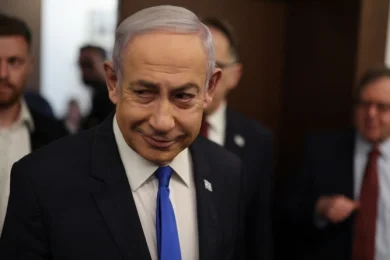

Earlier, Israeli judges had recommended that prosecutors reconsider the corruption charges against Prime Minister Benjamin Netanyahu, without ordering the trial to be terminated. The judges assessed that the chances of a conviction were low in one of the cases—Case 4,000, in which Netanyahu is accused of having granted government benefits to a telecommunications company in exchange for favorable media coverage—and also questioned the criminal nature of the acts in Case 2,000, concerning an alleged arrangement with a media outlet owner. In Case 1,000, related to alleged gifts received (including cigars and champagne), the court did not rule out a conviction but suggested considering a plea bargain, while Attorney General Gali Baharav-Miara said she would take the recommendations into account.
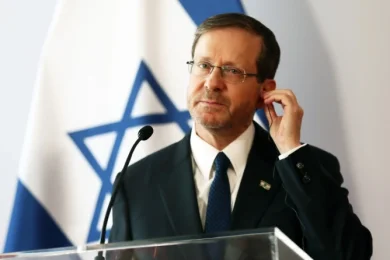
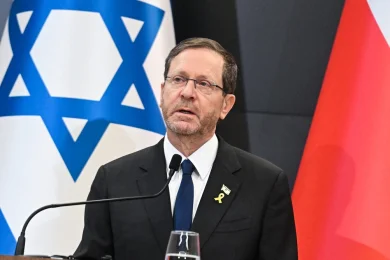
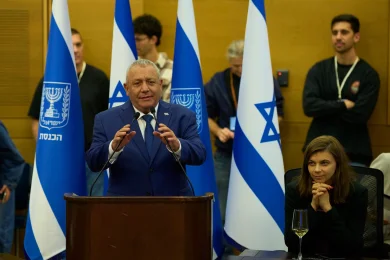
Against this backdrop, Israeli President Isaac Herzog began outlining a way out of the deadlock following the October 27 elections, when no bloc secured a majority. Herzog entrusted Gadi Eisenkot with the task of forming the government, following consultations and recommendations from lawmakers, and Eisenkot invited the Likud party (led by Netanyahu) to negotiations, with talks scheduled to begin on Sunday. Meanwhile, Eisenkot indicated that he was examining several coalition options, ruling out an alliance led by Netanyahu, while Likud set conditions such as ending personal attacks against Netanyahu, excluding Arab parties, and rejecting the creation of a Palestinian state.