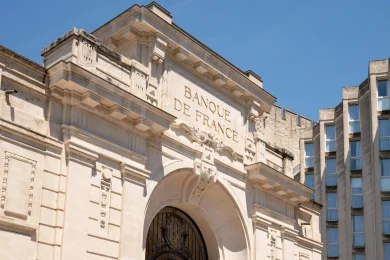
Politico: France has become “the new sick man of Europe”



Always see our news on Google
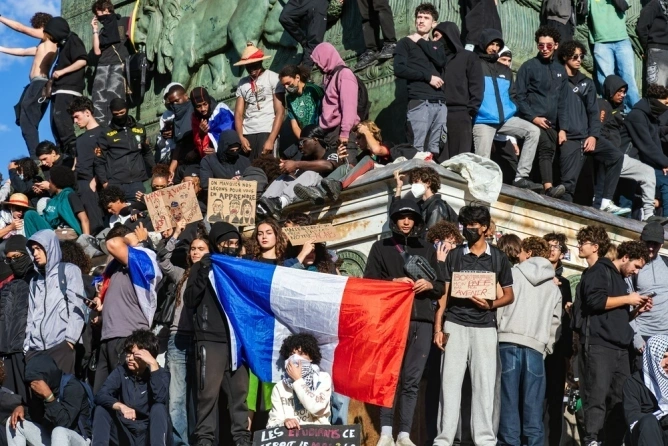
France, the European Union’s second-largest economy, is facing an increasingly risky combination of social tensions, public debt and political instability as presidential elections approach. Hundreds of thousands of people have protested over the past two weekends over teachers’ salaries, the state of schools and the rising cost of living.
Public debt has reached approximately €3.5 trillion, while the government is struggling to reduce the deficit. The 2027 budget calls for €43 billion in savings, limiting room for new social measures. At the same time, the yield on French 10-year bonds has risen to 5.14%, its highest level since 2002, while the spread over German bonds has reached 169 basis points.
Investors are also concerned about the rise of anti-establishment candidates Marine Le Pen and Jean-Luc Mélenchon, who support costly policies, including lowering the retirement age. Economists warn that the protests could worsen economic losses and further damage France’s credibility within the European Union.
Although a default is not considered imminent, experts are comparing the risks to the beginning of Italy’s 2011 crisis. These risks could escalate quickly if the government fails to restore market confidence and ease social tensions.
עם,Sources


Latest News
07:38
07:24
07:22
06:48
22:58
See more news
NEWS ON THE SAME TOPICS