EU–Mercosur, imminent signing and political pressure on Parliament for ratification



Always see our news on Google
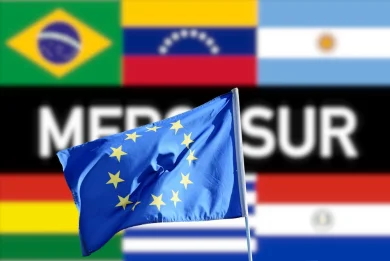
The EU–Mercosur trade agreement is set to be signed in the coming days, and the European Commission is trying to quickly build a political majority in the European Parliament to avoid blockages at the ratification stage.
The trade agreement between the European Union and the South American bloc Mercosur is expected to be signed in the coming days, while the European Commission is intensifying political efforts to gain the support of the European Parliament, in a context marked by economic, climate, and geopolitical controversies.
In short
The EU–Mercosur agreement is set to be officially signed at the political level.
The European Commission considers the agreement a tool for trade and geopolitical diversification.
Provisional application remains legally possible, before the vote in the European Parliament.
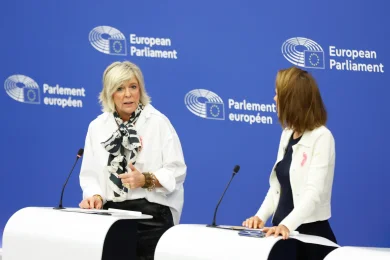
MEPs are demanding additional guarantees regarding agriculture, climate, and the role of Parliament in the ratification process.
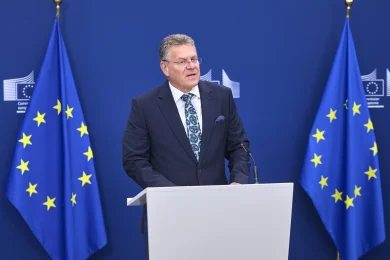
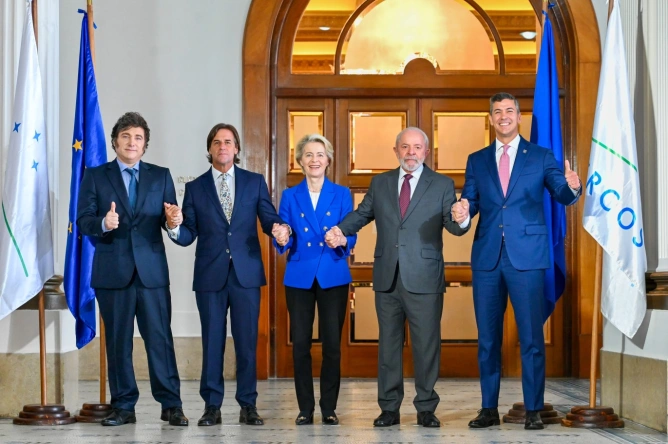
In a public briefing in Brussels, the European Commission confirmed that the signing of the EU–Mercosur agreement is imminent, after member states expressed their agreement to move to this stage. The document is set to be signed at the political level by the President of the Commission, Ursula von der Leyen, during a visit to South America.
The European executive presents the agreement as a central pillar of the strategy to diversify the EU's trade relations, at a time when Brussels is trying to reduce economic dependencies on a limited number of global partners and send a geopolitical signal in an international context marked by tensions and fragmentation.
A sensitive point is the possibility of provisional application of the agreement, a mechanism provided for in EU treaties for trade agreements. Although the Commission insists that the immediate priority is signing and dialogue with the European Parliament, MEPs from several political groups warn that provisional application before the plenary vote could exacerbate institutional and political tensions.
For the Commission, the coming weeks are dedicated to building a favorable political majority in the European Parliament. The arguments put forward focus on the economic benefits for European companies, access to South American markets, and the inclusion of commitments considered mandatory in the fields of climate and sustainable development, elements that remain contested by part of the European legislature.
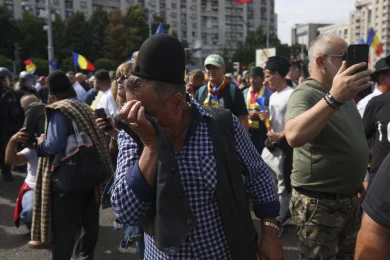
The EU–Mercosur agreement has been negotiated for over two decades and has become one of the most controversial trade files of the Union. The ratification process requires the approval of the European Parliament and, depending on the final legal structure, national ratifications. The debate is taking place against the backdrop of protests from European farmers and concerns related to environmental impact and production standards.
Latest News
23:03
22:44
22:40
22:37
22:34
See more news
NEWS ON THE SAME TOPICS