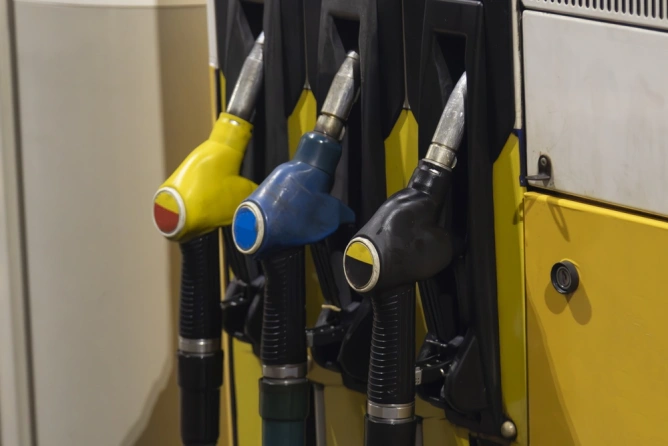

Before closing some distribution companies, Russia began resorting to fuel imports after frequent Ukrainian attacks on energy facilities significantly reduced the production of refined petroleum products. Deputy Prime Minister Alexandr Novak said the measure was adopted because of domestic shortages, without providing volumes or detailed sources.
Amid the shortage, fueling restrictions also emerged: in Moscow, “Gazprom Neft” stations imposed temporary limits on the sale of gasoline and diesel, while at “Tatneft” the limit was reported to be 50 liters for gasoline and 60 liters for diesel. At the same time, authorities resumed priority-supply campaigns, while fuel availability declined significantly nationwide.
The crisis was also felt through social tensions: in Volgograd, five residents were sanctioned after filing complaints related to the shortage, while in a similar case in Perm, an organizer of a rally concerning the shortage was sanctioned. At the same time, Russia extended the ban on diesel exports until the end of October, citing stabilization of the domestic market and the avoidance of shortages during the harvest period.


.webp)
.webp)