The European Commission, WHO and NATO are calling for urgent measures for European hospitals, which are vulnerable to wars and pandemics



Always see our news on Google
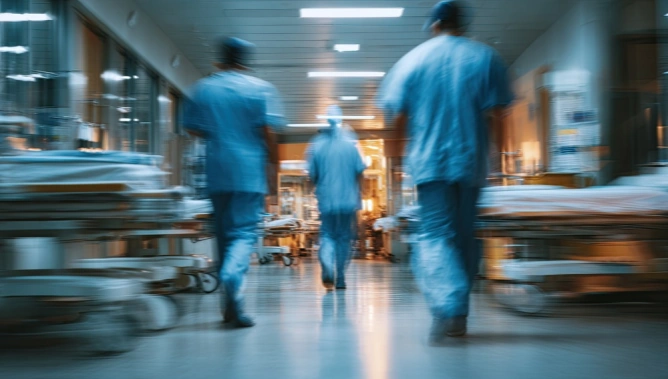
Healthcare systems in Europe are not sufficiently prepared for major crises, such as armed conflicts, attacks on hospitals or biological and chemical threats, according to an analysis published on Friday. The European Commission, WHO and NATO are calling for urgent measures amid increasingly complex risks and major differences between countries.
Hospitals need reserves of medicines, vaccines, blood and protective equipment, as well as staff capable of treating large numbers of casualties simultaneously without interrupting care for regular patients. Experts warn that artificial intelligence could be used to develop dangerous biological agents, making strict rules and surveillance systems necessary.
The European Commission supports the development of broad-spectrum antivirals and antibodies that could be administered rapidly, before the pathogen is precisely identified. Through the rescEU programme, the European Union is building strategic stockpiles for situations in which national resources are overwhelmed.
The war in Ukraine has highlighted the pressure on trauma care, rehabilitation and mental health, as well as hospitals’ vulnerability. New NATO rules provide for mass-casualty plans, medical reserves and joint exercises involving civilian and military personnel.
—,Sources


Latest News
23:51
23:26
22:58
22:48
22:38
See more news
NEWS ON THE SAME TOPICS




.webp)