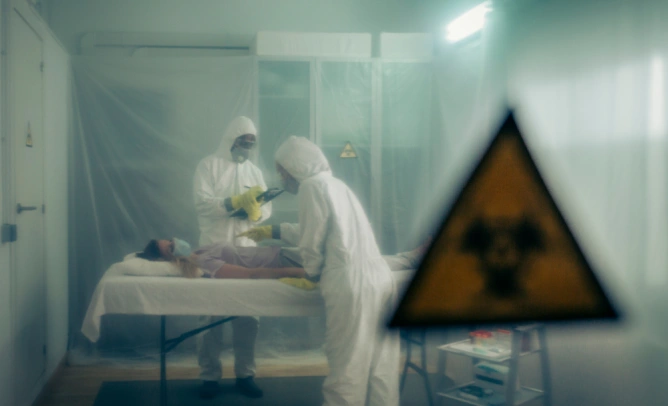

In previous reports, the Ebola epidemic in the Democratic Republic of the Congo was described as still active and expanding, with intense transmission in certain areas. The WHO reported that, although there were signs of a decline in the worst-affected areas of Ituri, the outbreak continued to cause deaths and spread to other regions.
Congolese authorities had previously reported an increase in the number of cases and deaths since the beginning of the epidemic, while experts warned that the actual number of infections could be higher due to unreported cases. At the same time, it was noted that the epidemic could not be treated as a single outbreak, but rather as several active outbreaks, particularly in a vast region such as North Kivu.
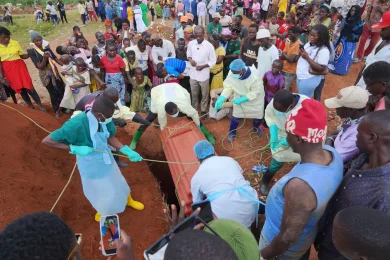
At the same time, difficulties related to controlling the epidemic were highlighted, including the fact that a significant proportion of deaths occurred in communities, not in hospitals. There was no vaccine or specific treatment for the strain involved (Bundibugyo), and efforts focused on the rapid development of vaccines and treatments, alongside investigations into possible mutations and ongoing clinical trials.


.webp)