SPECIAL Informat.ro / How the hantavirus from the MV Hondius ship came to test Europe's vigilance



Always see our news on Google
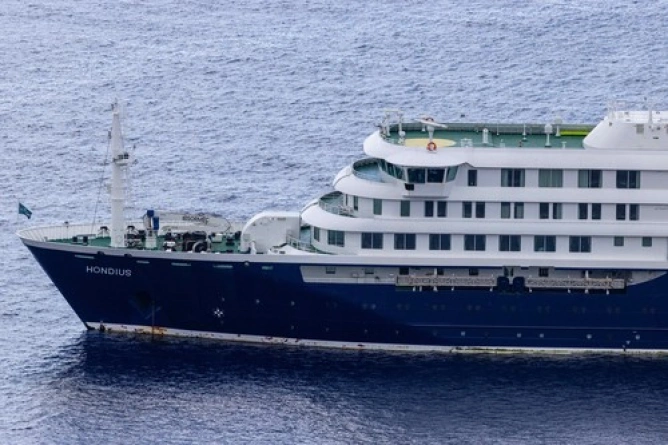
The hantavirus is a family of viruses naturally carried by rodents, which can cause severe respiratory or renal disease in humans, with mortality rates of up to 40–50%, depending on the type of virus and region. The recent case of the cruise ship MV Hondius (photo) has brought hantavirus back into the public spotlight, but European authorities and the WHO emphasize that, at present, the risk to the general population in Europe is considered very low.
What is hantavirus and how is it transmitted
Hantaviruses are zoonotic viruses, meaning they are transmitted from animals to humans, with the main reservoir being various species of wild rodents (mice, voles, field mice), which shed the virus through urine, feces, and saliva. Human infection most often occurs through inhalation of contaminated particles in enclosed or poorly ventilated spaces (dust contaminated with rodent droppings) or through direct contact with contaminated materials, less frequently through bites.
The disease it causes varies depending on the region and the strain of the virus: in Europe and Asia, hemorrhagic fever with renal syndrome (HFRS) and milder forms, such as epidemic nephropathy, are common, while in the Americas, cases of hantavirus cardiopulmonary syndrome (HCPS) occur, with rapid impairment of the lungs and heart. Symptoms usually begin with fever, muscle aches, headache, and general malaise, followed – in severe cases – by difficulty breathing, sudden drops in blood pressure, and renal impairment, which explains why many cases go directly to intensive care.
The hantavirus is dangerous due to two characteristics: it has a relatively high mortality rate and there is no specific antiviral treatment or widely marketed vaccine for most strains. For hantavirus cardiopulmonary syndrome, international reports indicate mortality rates of 30–50%, while for European forms of HFRS, mortality generally ranges between <1% and 15%, depending on the virus and access to medical care.
The case of the MV Hondius
The recent debate about hantavirus was triggered by an outbreak that occurred aboard the MV Hondius cruise ship, a Dutch-flagged vessel that departed from Argentina on a transatlantic cruise in April 2026. There were approximately 149–150 people on board from 23 countries, including citizens from new EU states, and shortly after departure, cases with severe respiratory symptoms and deaths appeared.
South African authorities confirmed the presence of the Andes strain of hantavirus in two people evacuated from the ship, one of the few known strains that can be transmitted from person to person under close contact conditions. By early May, the European Centre for Disease Prevention and Control (ECDC) and Dutch authorities reported seven cases associated with the outbreak on the Hondius, three of which were fatalities, with patients being hospitalized in South Africa, the Netherlands, Germany, and Switzerland.
The crisis generated political tensions after the ship was initially denied access to some ports, including in the Canary Islands, with regional leaders expressing concerns about the safety of the local population. Under pressure from the situation and based on risk assessments, Spanish authorities eventually approved that the Hondius head towards Tenerife, with teams of epidemiologists on board to assess the outbreak's extent before arrival.
How great is the danger for Europe
The World Health Organization for Europe and the ECDC converge on the same conclusion: despite the severity of the cases on the MV Hondius, the risk to the general European population is considered "very low." The reasons cited are that hantaviruses are not easily transmitted from person to person (with the exception of a few strains, such as Andes), that the outbreak is relatively limited, and that strict infection control measures were quickly implemented on the ship.
The ECDC emphasizes that most hantavirus infections globally are related to exposure to rodents in rural environments or in contaminated enclosed spaces, not to mass situations such as air travel or cruises, which limits the potential for rapid spread within the EU. The current risk assessment states that as long as isolation, testing, and personal protection measures are maintained on the ship and in hospitals treating patients, the risk of community transmission in Europe remains very low.
At the same time, the outbreak is a stress test for public health systems and for cross-border cooperation in the EU, at a time when Europe is already facing a "new normal" in terms of emerging infectious diseases, from arboviruses transmitted by mosquitoes to the re-emergence of diseases once considered rare. The expertise gained during the pandemic and in managing other viral threats has allowed for a quicker response: notification in the European early warning system, risk assessments, and coordination of patient transport to centers with intensive care and infectious disease capacity.
What measures have authorities taken
After the initial notification of a severe respiratory disease outbreak aboard the Hondius, Dutch authorities alerted the ECDC through the EU early warning system, triggering standardized assessment and response procedures. Strict precautionary measures were immediately implemented on the ship: isolation of symptomatic individuals, use of personal protective equipment by medical staff and crew, restriction of movement on board, and special cleaning and disinfection procedures.
WHO Europe sent experts and worked with authorities in South Africa, the Netherlands, Switzerland, Germany, Cape Verde, and Spain for the evacuation of critically ill patients, organizing medical flights, and ensuring the continuation of treatment in specialized centers. The ECDC and WHO issued clear messages to the public: no travel restrictions or additional measures are necessary for the general population, with attention focused on surveillance, diagnosis, and the protection of medical personnel caring for suspected or confirmed cases.
For European countries with citizens on board or that received evacuated patients, recommendations include: identifying and monitoring close contacts, informing doctors about the clinical picture of hantavirus, and ensuring access to testing in specialized laboratories. More broadly, public health authorities are encouraged to better integrate zoonotic risks into preparedness plans – not just hantavirus, but also other emerging viruses – which means close cooperation between epidemiologists, veterinarians, and specialists in environmental health.
Analysis conducted with the support of Perplexity
Latest News
07:30
07:25
07:19
23:04
22:36
See more news