Von der Leyen discussed with Apple the proposal that would require age verification in app stores




Always see our news on Google
Ursula von der Leyen and Tim Cook discussed child safety and privacy protection in New York. The European proposal would introduce obligations for app distribution and minors’ access, but the account of the meeting does not announce concrete commitments from Apple or an agreement on the text.
European Commission President Ursula von der Leyen discussed online child protection and the proposed EU KIDS Act with Tim Cook, executive chairman of Apple’s board of directors, in New York, on the sidelines of the UN General Assembly. The discussion follows the presentation of a draft that would also impose obligations on app stores regarding age verification and minors’ access to services suitable for them.
In brief
The discussion between Ursula von der Leyen and Tim Cook focused on the EU KIDS Act and child protection. The Commission reported an agreement on the importance of privacy and safety, without announcing Apple’s full support for the draft.
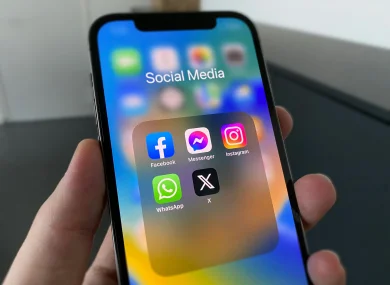
The proposal would require app stores to verify age and control minors’ access to inappropriate apps. For the social networks concerned, certified solutions would confirm the age threshold without disclosing the user’s identity.
The new obligations are not yet applicable. The European Parliament and the Council must negotiate the text, and the meeting does not establish measures or implementation deadlines for Apple.
Reporting on the meeting at the Commission briefing, Deputy Chief Spokesperson Arianna Podestà said that the two had agreed on the importance of protecting children’s privacy, safety, and security. Von der Leyen called for innovation by technology companies to provide parents with means of control and young users with robust protection. The account does not announce a commitment by Apple to fully support the proposal or concrete changes to the company’s products.
The draft provides for obligations at the level of the stores through which apps are distributed. They would have to classify each app according to users’ ages and prevent minors from accessing or purchasing those considered inappropriate for their age. Providers would have to publish the classification methodology, assess users’ ages, and allow the European age-verification solution to be distributed in the store. For children under 13, access would be activated and controlled through tools intended for parents or guardians.
For access to the social networks concerned, the Commission proposes checks through certified solutions, independent of platforms, that would confirm that the age threshold has been reached without disclosing the user’s identity. The platform would receive a response on whether the age requirement had been met, without examining the identity document. Each Member State would have to offer at least one free way to prove age, including for people without a digital identity.
Apple already has a tool through which apps can receive a user’s age range without the exact date of birth. According to the company’s documentation, the Age Range for Apps feature uses information from the Apple Account, and for children and teenagers in a family group it must be configured by a parent or guardian. The documentation also specifies a limitation of the protection provided through this restricted data sharing. An app developer may associate the response received with personal information it collects separately. The account of the meeting does not include a European assessment of this tool’s compliance with the proposal.
The proposal, presented on 17 September, would ban social media accounts for children under 13 and would allow 13- and 14-year-olds only limited accounts managed by a parent or guardian, with no more than one hour of use per day. From age 15, minors could manage their own accounts. Gradual access would be accompanied by protections integrated into services, including private profiles by default and restrictions on features that encourage excessive use.
The protection of minors is already addressed through the Digital Services Act. Guidelines published by the Commission in July 2025 recommend, among other things, private accounts by default and the disabling of features such as autoplay or notifications that encourage excessive use. These guidelines serve to assess compliance with existing obligations; applying the recommendations is voluntary and does not automatically guarantee compliance. They should not be confused with the additional obligations in the new draft regulation.
The EU KIDS Act remains a proposal that must be negotiated and adopted by the European Parliament and the Council. The discussion with Apple does not change this status and does not establish an implementation timetable for the company; the final obligations will depend on the text agreed by the co-legislators.
Latest News
22:50
22:36
22:24
22:20
22:16
See more news
NEWS ON THE SAME TOPICS
.webp)