The use of GLP-1 medicines is expanding to obesity treatment in Europe, according to an EMA study of more than 1.6 million people



Always see our news on Google
Research conducted in ten European countries shows a change in the profile of patients starting treatment with GLP-1 medicines. The European Medicines Agency is monitoring the implications of this development for patient safety and treatment availability.
Medicines in the glucagon-like peptide-1 (GLP-1) receptor agonist class, initially developed to treat type 2 diabetes mellitus, are increasingly being used to manage obesity, according to a study whose results were published Friday by the European Medicines Agency (EMA). The research analyzes data from more than 1.6 million people in ten European countries who started such treatment between 2015 and 2025.
Key points
Since 2022, obesity has become the most frequently recorded indication when treatment was initiated in several of the populations analyzed.
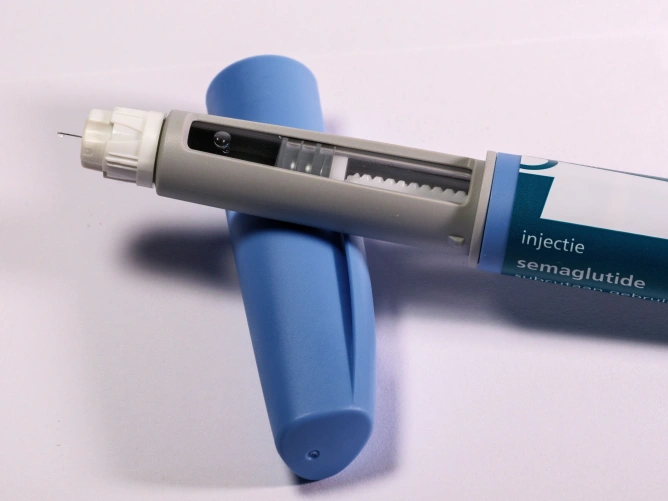
Semaglutide was the most frequently used active substance, while the expanding use of tirzepatide contributed to the changing treatment profile.
In nine of the 12 databases analyzed, women represented the majority of people starting treatment.
The study includes Belgium but not Romania, and does not allow for a complete assessment of prescribing outside authorized indications.
The research was conducted through the European DARWIN EU network, which uses medical data collected as part of the routine activities of healthcare systems to support assessments by medicines regulatory authorities.
The study, led by researchers from the University of Oxford within the DARWIN EU network, whose coordinating center is located at Erasmus Medical Center in Rotterdam, is observational in nature and tracks changes in the prescribing of GLP-1 medicines, the characteristics of people starting treatment, and the development of treatment regimens.
Data from Belgium, Croatia, Denmark, Finland, Germany, Norway, Spain, Sweden, the Netherlands, and the United Kingdom were analyzed. Coverage varies between databases, both in terms of the periods available and the types of healthcare services included.
GLP-1 medicines act on biological mechanisms involved in regulating blood glucose and appetite. Tirzepatide, included in the research alongside GLP-1 agonists, also acts on the receptor for the GIP hormone.
The study tracks six active substances: exenatide, liraglutide, lixisenatide, dulaglutide, semaglutide, and tirzepatide.
However, therapeutic indications differ depending on the specific medicine. For example, Ozempic, which contains semaglutide, is authorized for the treatment of type 2 diabetes mellitus, while Wegovy, based on the same active substance, is indicated for weight management under the conditions established by its marketing authorization.
Mounjaro, which contains tirzepatide, is authorized both for the treatment of type 2 diabetes mellitus and for weight management in eligible individuals.
This distinction is important when assessing prescribing outside authorized indications, known as off-label prescribing. The existence of an authorized indication for a particular active substance does not mean that all medicines containing that substance have the same indication.
The demographic profile of people starting treatment differs between the populations analyzed. Their median age ranged from 52 to 63 years, depending on the database. Where information was available, median body mass index values ranged from 33.1 to 35.6 kg/m².
Frequently associated conditions included cardiovascular problems and disorders of lipid metabolism.
Assessing prescribing outside authorized indications remains difficult. In most databases, fewer than 14% of people starting treatment had no recorded diagnosis of type 2 diabetes mellitus or obesity.
The absence of these diagnoses from medical records does not automatically demonstrate inappropriate use of the medicine. The data may be incomplete, and some products are also authorized for overweight people with conditions associated with body weight.
At the same time, the study does not necessarily capture all private prescriptions or treatments obtained outside the medical and reimbursement channels covered by the participating databases. The percentage cannot be interpreted as a complete estimate of off-label prescribing in Europe.
The research was conducted against the backdrop of supply difficulties affecting certain GLP-1 medicines, reported in several European countries since 2022. In June 2024, the EMA and national competent authorities recommended measures to improve supply and limit inappropriate use.
Increasing demand and production capacity constraints contributed to shortages. Some prescribing fluctuations identified in the new study coincide temporally with periods when supply difficulties were reported, although this coincidence alone does not establish a causal relationship.
The safety of GLP-1 medicines is the subject of separate evaluations. In June 2025, the EMA’s Pharmacovigilance Risk Assessment Committee (PRAC) concluded that non-arteritic anterior ischemic optic neuropathy is a very rare adverse reaction associated with semaglutide.
The new research on medicine use does not establish the frequency of this adverse reaction, nor does it compare the clinical effectiveness of the treatments.
The EMA intends to use the results to inform further research, including on potential differences between women and men in the occurrence of adverse reactions and the impact of cardiometabolic conditions.
For European authorities, the data may contribute to better anticipation of medicine demand and to adapting pharmacovigilance and supply measures, without replacing clinical assessments and individual treatment decisions.
Latest News
12:11
11:55
11:40
11:26
11:10
See more news
NEWS ON THE SAME TOPICS