The European Union protects over 3,700 food products and beverages through geographical indications.
Liviu Brăteanu


EU
2eu.brussels: Cetatea Tsarevets din Veliko Târnovo

Always see our news on Google
The European Union now protects over 3,700 food products and beverages through the geographical indications system, following the registration of 13 new products from Finland, France, Italy, Romania, Spain, and Sweden. For consumers, the system acts as a guarantee that a product comes from a specific place and adheres to production methods related to that region.
In short
The European Union has surpassed the threshold of 3,700 registered geographical indications for food products, wines, and spirits. The 13 new products come from Finland, France, Italy, Romania, Spain, and Sweden. Geographical indications protect names related to origin, quality, local reputation, and traditional production methods. Products protected by geographical indications generate over 75 billion euros annually and represent 15.5% of the EU's agri-food exports. The updated regulation on geographical indications, which comes into force on May 13, 2024, simplifies registration and strengthens protection against the abusive use of names.
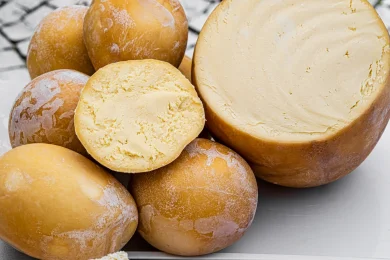
Geographical indications protect the names of products that have a clear link to a region and established production methods. They apply to agricultural products, food, wines, and spirits, ranging from cheeses and oils to beer, wines, or distillates.
For shoppers, European labels are not just a marketing element. They indicate that the product meets defined standards and that its name cannot be used by producers who do not meet the conditions related to origin and production.
The system includes protected designations of origin and protected geographical indications for agri-food products and wines. For spirits, protection is provided through geographical indications.
Among the well-known examples are Bayerisches Bier, Champagne, Irish Whiskey, Kalamata olives, Parmigiano Reggiano, Polish Vodka, Queso Manchego, and Roquefort. These names are protected because their reputation, characteristics, or production methods are linked to specific geographical areas.
Once registered, a product name receives legal protection against imitations, abusive use, and references that may mislead consumers. Protection applies within the European Union, and many names also benefit from protection in third countries through international agreements.
For producers, registration can mean better prices, market recognition, and a stronger position in the value chain. For rural communities, geographical indications can support jobs, small and medium enterprises, local tourism, and economic activities related to the region's identity.
The European Commission shows that geographical indications generate over 75 billion euros annually and represent 15.5% of the EU's agri-food exports. The system transforms local products into protected economic assets, without breaking the link with the territory and traditional methods.
The updated regulation on geographical indications came into force on May 13, 2024. The new rules create a unique registration procedure, allowing producers to protect their names more quickly and easily.
The regulation strengthens the protection of geographical indications used online or as ingredients in processed products. It recognizes sustainable production practices and gives producer groups a stronger role in managing, promoting, and defending their geographical indications.
The Commission has also launched a step-by-step guide for producers who want to register a geographical indication. The guide explains the application process and includes video materials with holders of geographical indications from Europe, describing how European recognition has helped their products and businesses.
The European Union's quality agricultural policy protects products through geographical indications and guaranteed traditional specialties. Geographical indications are recognized as intellectual property rights under the Agreement on Trade-Related Aspects of Intellectual Property Rights of the World Trade Organization.
The European Union has extended the logic of protection to artisanal and industrial products whose quality, reputation, or characteristics are linked to origin. The scheme covers products such as jewelry, glassware, footwear, textiles, porcelain, or musical instruments.

Latest News
15:06
Gigi Becali says a party led by Călin Georgescu could destroy AUR
15:05
UE aplică din 1 noiembrie taxa de manipulare de 2 euro pe articol declarat pentru importurile online, distinctă de taxa vamală de 3 euro
15:01
NBR: Romania’s international reserves fell to €70.376 billion in October
15:00
Sorin Grindeanu announced that the first version of the local public administration reform will be presented next week
14:58
CNIR announces that work on the Chiribiș-Biharia section of the A3 has reached 87% and is progressing ahead of schedule
See more news
NEWS ON THE SAME TOPICS





Personalized news feed, AI-powered search, and notifications in a more interactive experience.