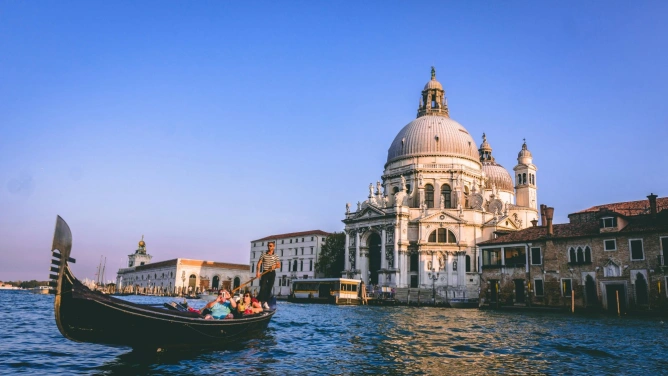
The EU wants to reduce tourist pressure and redirect visitors to new destinations.



Always see our news on Google
The European Parliament proposes a tourism management strategy aimed at reducing overcrowding in popular destinations, developing less visited areas, and introducing stricter rules for short-term rentals.
The Transport and Tourism Committee of the European Parliament has adopted a series of proposals for managing tourism in the European Union, with the aim of reducing pressure on overcrowded destinations and redistributing visitor flows to lesser-known regions.
In short
80% of tourists visit only 10% of destinations, generating overcrowding.
MEPs propose redirecting visitors to emerging regions and rural areas.
Stricter rules for short-term rentals are targeted.
Improving connectivity and introducing an integrated ticketing system is proposed.
Measures also include tourist taxes, support for green mobility, and a tourism skills card.
The resolution was adopted with 33 votes in favor, four against, and four abstentions, proposing a more balanced approach to tourism at the European level, in the context where the majority of visitors focus on only a small part of the destinations.
MEPs emphasize that the goal is to reduce pressure on areas affected by overcrowding and to direct tourists to lesser-known, emerging, or isolated destinations, including rural, mountainous, or remote regions. Tourism experiences based on gastronomy, wine, beer, heritage, cycling, or regenerative tourism are presented as opportunities to extend the tourist season and generate additional income.
To support this redistribution, committee members propose improving connectivity, requesting the European Commission to identify a dedicated mechanism to strengthen air, maritime, and land links to these destinations. Other measures include support for electric vehicle leasing and charging infrastructure, the development of cross-border night trains, and the rapid implementation of an integrated ticketing system for rail, air, and maritime transport.
Regarding short-term rentals, MEPs believe that the new European rules applicable from May 20, 2026, represent a step forward but are insufficient to prevent uncontrolled growth and excessive commercialization of this type of accommodation. They propose a new European framework to define service standards, clarify host categories, and allow member states to limit the number of rental nights or introduce authorization and zoning systems.
MEPs also note that several cities and regions have already introduced environmental tourist taxes, which can become a source of funding for projects benefiting local communities and the environment. They find it useful to share these practices among member states.
To address the labor shortage in the sector, the introduction of a tourism skills card is proposed to document qualifications and professional experience. At the same time, the role of cultural workers, local organizations, and volunteers in protecting European heritage is emphasized, and the Commission is invited to propose guidelines to encourage cultural volunteering.
Rapporteur Daniel Attard stated that "I welcome the strong support for my report outlining the first European strategy for sustainable tourism," adding that it "ensures connectivity to rebalance flows beyond overcrowded areas, strengthens culture as a central element of quality tourism, promotes environmental action, develops skills and mobility, and ensures that short-term rentals serve communities, not exploit them."
The resolution is not legally binding and will be subject to a vote in the plenary of the European Parliament, possibly in the April session.
The European Union remains one of the main global tourist destinations, with the sector providing approximately 12.3 million jobs and contributing 10.5% to the EU's gross domestic product.
Latest News
10:11
10:02
09:58
09:50
09:41
See more news
NEWS ON THE SAME TOPICS