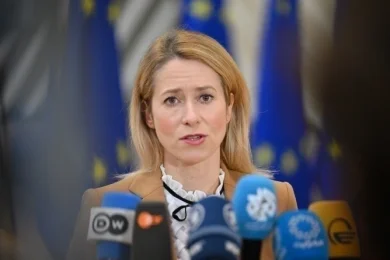
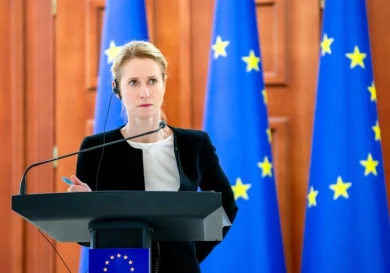
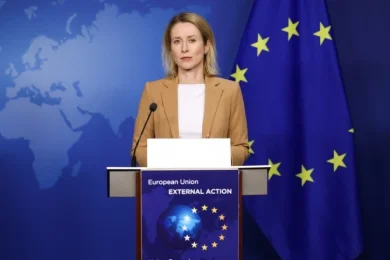
Kallas proposes an additional €1 billion in military support for Ukraine and announces talks on a moratorium in the Black Sea



Always see our news on Google
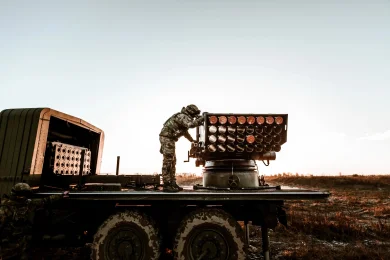
Kallas indicated that the funding available through the European Peace Facility represents an immediate way to supplement military aid. She stated that she is working with the member states to release the funds, but presented the sum of one billion euros as support that could be provided. In her intervention, she did not present a final allocation decision, a list of equipment, or a timetable for the transfer.
The European Peace Facility operates outside the EU budget and is financed by the member states according to their gross national income. Its assistance measures may cover military equipment, infrastructure, and technical support. According to the Council, support for Ukraine through this mechanism has included ammunition, missiles, fuel, and protective equipment; Kallas's announcement does not specify the allocation of the new billion across these categories.
On the diplomatic front, Kallas said that she is working with international partners on a moratorium in the Black Sea and that discussions will continue in New York in the week following her intervention. She referred to attacks on ports, commercial shipping, warehouses, and logistical infrastructure, arguing that these affect Ukrainian exports and increase food insecurity. The speech does not name the participants in the meetings and does not establish the duration or conditions of any potential moratorium.
A presentation by the European External Action Service dated 7 September specifies the objectives being pursued. It calls for an end to attacks on grain infrastructure, ports, and maritime transport, as well as the safe passage of commercial vessels. These are diplomatic demands, with no agreement announced between the parties.
According to the European diplomatic service, the solidarity lanes mitigate disruptions but do not replace safe access to Black Sea ports. The support described includes grain storage, financial solutions for farmers, and coordination of cross-border transport.
Kallas also called for increased bilateral aid, particularly from partners outside the EU. In concluding the debate, she argued that Russia must negotiate with Ukraine, while other actors can facilitate or mediate the discussions. In her assessment, Moscow's readiness for negotiations should be demonstrated by accepting ceasefires; until then, the EU must continue sanctions and support for Ukraine's defence.
Preparing for winter remains another component of the support described by Kallas. She indicated that 75 million euros had been made available this year for repairing and insulating homes and for essential goods, including generators and equipment for drinking water. This funding has a civilian purpose distinct from the additional billion discussed for military aid.
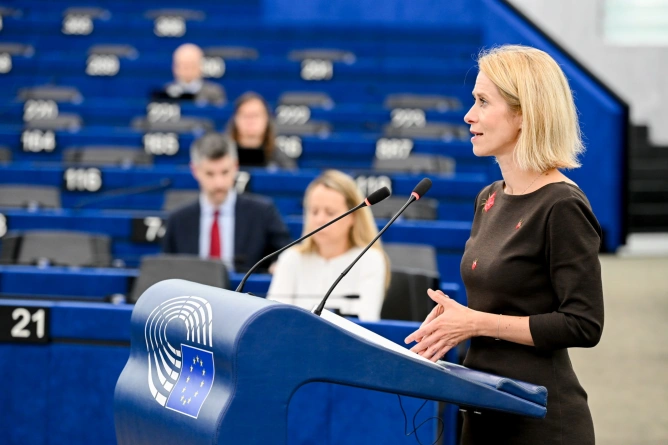
The two initiatives were presented in the European Parliament debate of 16 September on support for Ukraine in the face of the escalation of Russia's war. The intervention sets out Kallas's intended directions, but leaves open the decision on military funding and the terms of the Black Sea initiative. The discussions announced in New York are the next diplomatic stage publicly mentioned by the EU's foreign policy chief.
Latest News
07:23
07:16
22:57
22:53
22:42
See more news
NEWS ON THE SAME TOPICS