Frontex is analyzing a unique platform for the data and video transmissions of surveillance operations.



Always see our news on Google
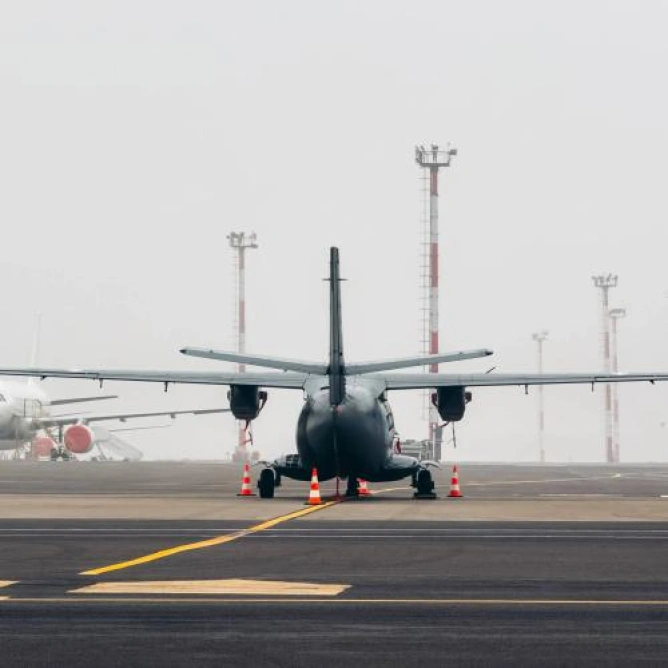
Frontex is analyzing the acquisition of a platform that would bring together in a single system the data and video transmissions received from surveillance aircraft operated by different contractors, with the possibility of later extension to maritime and land operations.
In short, Frontex uses several surveillance means contracted from external operators, each of whom currently works with their own systems for data collection and management. The analyzed platform would receive, store, and distribute to authorized users the data produced by these systems, under the rules and control of Frontex. The solution is expected to be installed in the Microsoft Azure infrastructure managed by the agency and to initially operate with data from surveillance aircraft. Providers can submit information about functionalities, security, architecture, compliance, and costs until September 20, 2026. This initiative is a market research and does not represent a tender, a request for proposals, or a decision by Frontex to purchase the platform.
Frontex currently receives surveillance data from several external contractors who operate aircraft and use their own applications for information, surveillance, and reconnaissance. The agency wants to determine whether these streams can be consolidated into a common infrastructure that it can manage directly.
The system is called the Surveillance Data Storage System and is described as a center for data integration. It would not replace the systems used by contractors for producing information, but would operate above them, taking data to a common interface.
The contractors' systems would continue to collect images, video transmissions, and other information produced during operations. The new platform would integrate them, retain them according to Frontex policies, and make them available to authorized personnel and other agency systems.
Frontex aims to reduce the fragmentation created by the use of different applications for each contract or means of surveillance. A common platform could allow access to and management of information in a unified environment, without each user having to work separately with the providers' systems.
The first phase would target data from Frontex's surveillance aircraft. The agency is also considering the possibility of future connectivity with other sources, including systems used for maritime and land surveillance.
The platform is expected to be installed in the Frontex Azure Landing Zone, the Microsoft Azure cloud infrastructure configured and managed under the agency's governance. Frontex requests providers to explain how their products can meet the functional, technical, architectural, legal, and security requirements applicable to this environment.
The agency requests information about access control, user verification, system integration, data storage, and distribution to authorized users. Providers must also provide a more detailed analysis of the proposed architecture.
The request includes requirements regarding the use of public cloud services under security conditions, federated authentication, and user management. Frontex provides interested companies with guidelines and tools for evaluating software-as-a-service solutions.
Providers must separately present information regarding the platform's capabilities and cost estimates. The prices are indicative and do not represent commercial offers that Frontex would be obliged to accept.
The requested estimates include the annual license cost, one-time expenses for installing the standard product, annual maintenance, administration, and support costs, as well as the price of any adaptations or extensions.
Companies must also indicate optional costs for connecting additional data sources from maritime and land surveillance. All estimates must be presented excluding VAT.
The period during which companies can request clarifications runs from August 10 to August 21, 2026. Frontex intends to send consolidated responses to all known providers by September 4.
The deadline for submitting responses is September 20, 2026, at 23:00, Warsaw time. The documentation must be submitted in English and must include a completed table regarding requirements and costs, along with the requested technical materials.
Frontex will use the responses to understand the products available on the market, possible architectures, and indicative cost levels. The information could influence how the agency designs the system and prepares potential future purchasing decisions.
Individual responses will be treated as sensitive commercial information. The agency states that it will not publish them and will not transmit them outside Frontex without the prior written consent of the providers.
The market research does not obligate the agency to choose a product, negotiate with participants, or launch a tender. Frontex may decide to modify the project, organize a competitive procedure later, or not continue the initiative.
Companies that respond bear their own costs for preparing the documentation. Participation in this stage does not create a preferential right in any future procurement procedure.
The published document does not specify the available budget, the duration of a possible contract, the volume of data that would be stored, or the timeline in which the system could become operational. These elements will depend on the market analysis and any subsequent decisions of the agency.
Frontex also collects the contact details of representatives of companies participating in the consultation. These are used for registering and analyzing responses and for communicating with providers during the procedure.
The agency states that it will not use automated decision-making processes or profiling and that the contact data will be deleted after the completion of the market research and the stages directly related to it. The documents provided will be kept according to the applicable archiving rules of Frontex.
Frontex supports member states and associated countries of the Schengen area in managing external borders and combating cross-border crime. The agency uses its own technical means and contracted services for aerial, maritime, and land surveillance.
Information requests are used prior to any potential purchase to find out what products exist, how they can be integrated, and what costs they entail. The publication of such a request does not confirm that the project will be funded or implemented.

Latest News
19:00
18:48
18:41
18:41
18:30
See more news
NEWS ON THE SAME TOPICS