Food packaging with high levels of PFAS can no longer be sold in the EU from August 12



Always see our news on Google
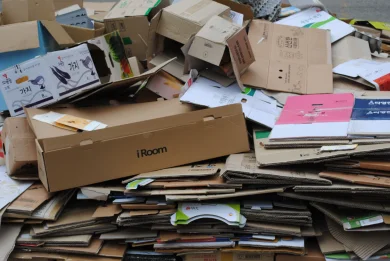
The new European rules prohibit the introduction of packaging that comes into contact with food if they exceed the limits set for PFAS, persistent substances used also for repelling grease and water. The rules apply to everything from pizza boxes and fast-food packaging to popcorn bags and pastry paper.
Food packaging containing PFAS above the limits set by the European Union can no longer be introduced to the market starting from August 12, 2026. This is one of the first obligations applicable under the new Regulation on Packaging and Packaging Waste, which will gradually introduce requirements regarding recyclability, recycled content, reuse, and reduction of single-use packaging by 2030.
In short
1. From August 12, packaging that comes into contact with food and exceeds the limits set for PFAS can no longer be introduced to the EU market.
2. PFAS are used for their water and grease-repellent properties and can be found in packaging such as pizza boxes, fast-food packaging, popcorn bags, and paper used for pastry products.
3. Common definitions for producers and operators responsible for managing packaging after use will also start to apply, as well as requirements that allow for the identification and contacting of the producer or importer.
4. From 2028, a harmonized labeling system for sorting packaging will be introduced, and most obligations regarding waste reduction, reuse, and recyclability will become applicable from 2030.
5. Without additional measures, the amount of packaging waste in the EU was estimated to increase by 19% by 2030, and plastic packaging waste by up to 46%.
The new limits for PFAS directly target packaging that comes into contact with food. Products that exceed the thresholds set by European rules can no longer be introduced to the Union market, which obliges producers and importers to check the materials used before marketing.
PFAS is the name used for a very broad group of per- and polyfluoroalkyl substances. They are also known as "forever chemicals" because they are very persistent and degrade slowly after being released into the environment.
Some of these substances have been used in food packaging because they can prevent water, oil, or grease from penetrating through paper and cardboard. The Commission mentions among examples take-out food containers, fast-food packaging, microwave popcorn bags, pastry paper, and pizza boxes.
The issue addressed by the new rules is consumer exposure and the accumulation of these substances in the environment and in the human body. The restriction does not mean that any packaging in which a PFAS substance can be detected becomes automatically prohibited, as the regulation sets limits that must be respected.
For companies, the change may involve replacing certain chemical treatments applied to paper, cardboard, or other materials with alternatives that offer similar properties without exceeding European limits.
The entry into force on August 12 does not only concern PFAS. Some of the rules by which economic operators are identified and held accountable for the packaging placed on the market also become applicable.
The definitions used for producers and for companies subject to extended producer responsibility are harmonized at the EU level. The objective is for the same categories of operators to be recognized comparably in member states.
Extended producer responsibility means that the operator who places packaging on the market bears responsibility even after it becomes waste. The details regarding the organization and financing of the systems depend on the applicable rules, but harmonizing definitions reduces differences regarding the identification of the responsible company.
Certain information and markings must also allow for the identification of the producer or importer and contacting them when necessary. These obligations are distinct from the future uniform European labeling system for waste sorting.
The application of the regulation is phased. The introduction of the rules from August 12 does not mean that all obligations provided for packaging become mandatory simultaneously.
From 2028, the EU will use a harmonized packaging labeling system to facilitate waste sorting. The goal is for the information presented to consumers and waste management systems to be more uniform across member states.
The Commission estimates that harmonization can increase the efficiency of recycling and composting flows and can eliminate some of the costs incurred by companies to comply with different national systems.
The most extensive changes are scheduled for 2030. All packaging will need to meet the recyclability requirements set by the regulation, and plastic packaging will be subject to obligations regarding the use of recycled material.
Rules aimed at reducing the volume of waste will also become applicable. These include limiting the empty space in certain packaging, so that boxes and other containers are not disproportionately large in relation to the product they contain.
The regulation also sets reuse targets for certain types of packaging. These aim to increase the number of containers that can go through multiple cycles of use instead of becoming waste after a single use.
Some of the most visible changes for consumers will occur in hotels and restaurants. From 2030, certain very small formats of single-use plastic packaging will be limited.
The rules are designed for situations where the same function can be fulfilled by reusable containers or other forms of distribution with less waste. The Commission's document does not present the entry into force on August 12 as an immediate ban on all small packaging in hotels and restaurants.
The issue of the amount of waste is at the core of the regulation. Without new measures, the Commission estimated that the total volume of packaging waste in the EU could increase by 19% by 2030.
For plastic packaging, the projected increase was even higher, up to 46%. The plastic used for packaging is largely produced from raw materials derived from fossil fuels.
Reducing the amount of virgin plastic and increasing the use of recycled material are thus linked both to waste policy and to reducing Europe's dependence on imported raw materials.
Packaging is used in almost all sectors of the economy, from food and pharmaceuticals to e-commerce. The Commission estimates that a European throws away, on average, about half a kilogram of packaging every day.
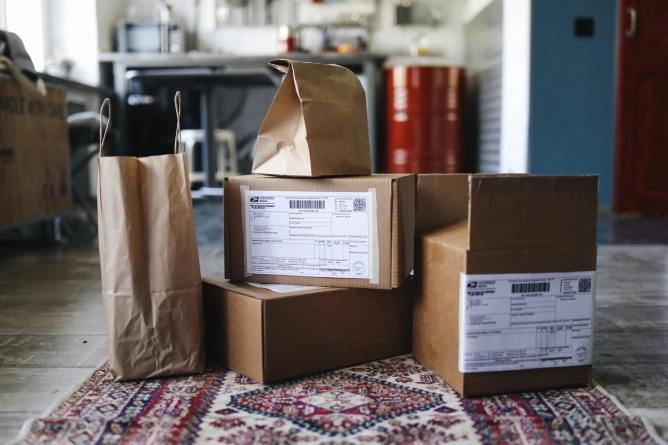
This amount includes very different products, such as take-out coffee cups, beverage capsules, plastic and aluminum foils, and packaging used for online orders.
The regulation also aims to eliminate the fragmentation of the internal market. Companies that sell the same product in multiple member states currently face differences between national requirements regarding packaging, labeling, and waste management.
Using common rules can simplify cross-border sales, but it also involves adaptation costs. Companies need to review their materials, packaging design, markings, documentation, and, in some cases, relationships with suppliers.
The European Commissioner for the Environment, Resilience in Water, and a Competitive Circular Economy, Jessika Roswall, stated that the regulation simultaneously aims to protect consumers, reduce waste, and simplify the framework for companies.
"The new Packaging and Packaging Waste Regulation is an investment in Europe’s future: it will help reduce waste, increase recycling, make food-contact packaging safer for consumers by limiting harmful substances such as PFAS, and reduce our dependence on virgin raw materials. These are essential steps towards a truly circular economy," said Roswall.
She acknowledged that adaptation incurs costs for economic operators and stated that the rules were prepared together with market actors to make their implementation as practical as possible.
The Commission has published updated guidelines and answers to frequently asked questions to support the uniform application of the regulation. The guidelines published in March 2026 include specific information for companies and authorities regarding restrictions on PFAS.
In the coming years, secondary acts will also be needed to specify how to apply certain obligations. The Commission states that these will be prepared before the dates when the various requirements become mandatory.
The Regulation on Packaging and Packaging Waste came into force in February 2025 and gradually replaces the previous European framework. The first general phase of application begins on August 12, 2026, followed by distinct deadlines for different obligations.
The regulation covers the entire packaging cycle: design and materials used, market introduction, reuse, collection, and transformation into secondary raw materials. The requirements do not all apply at the same time, and specific conditions and deadlines are provided for some categories.
The Commission aims through the PPWR to reduce the amount of packaging and the use of virgin raw materials, increase recycling and reuse, and operate a single market in which companies comply with a more uniform set of rules.
Latest News
11:28
11:24
11:22
11:14
11:08
See more news
NEWS ON THE SAME TOPICS