EU Council adopts recommendation on housing exclusion and homelessness



Always see our news on Google
The Council of the European Union adopted on Monday, 19 October 2026, in Luxembourg, a recommendation on combating housing exclusion, including homelessness. The document, presented on behalf of the Irish Presidency by Irish Minister for Housing, Local Government and Heritage James Browne, recommends measures that combine preventing the loss of housing with support for access to safe and stable housing.
In brief, the Council confirmed on 19 October the adoption of the recommendation on combating housing exclusion, including homelessness. James Browne presented it upon arrival at the meeting as the Council’s first recommendation dedicated to these issues. The proposed measures combine prevention, emergency support and access to stable housing, with person-centred services. Member states are encouraged to report every five years; the recommendation is not legally binding.
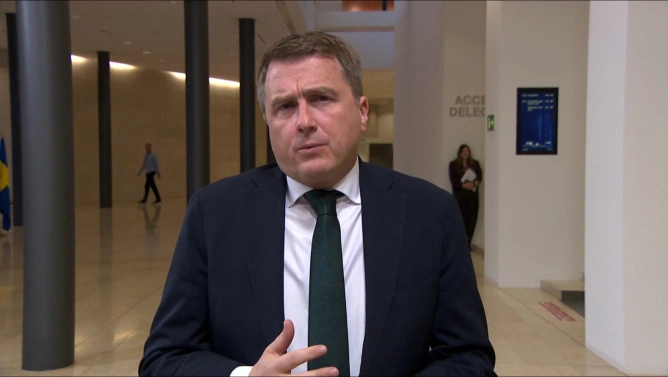
Upon arriving at the Employment, Social Policy, Health and Consumer Affairs Council (EPSCO), Browne described the initiative as the Council’s first recommendation dedicated to housing exclusion and homelessness. He said the move reflected the need for stronger action in the member states and expressed his expectation that the text would be adopted during the day. Its adoption was subsequently confirmed in a Council press release.
Housing exclusion is broader than homelessness. The latter includes sleeping rough and staying in emergency shelters or temporary accommodation for people without housing. Housing exclusion also covers inadequate or insecure housing, for example in situations involving the risk of eviction or domestic violence.
Member states are encouraged to adopt or strengthen strategic frameworks with measurable objectives and clear deadlines. The recommended instruments include debt counselling, mediation, emergency rent-payment support and protective measures for households threatened with eviction.
For people already experiencing homelessness, the text promotes simplified access to social, health and support services, including through one-stop access points and multidisciplinary teams. The housing-led approach prioritises rapid access to adequate and safe long-term housing, accompanied, where appropriate, by person-centred support services.
The recommendation also encourages increasing the supply of social and affordable housing through investment, renovation and better use of the existing housing stock. People in vulnerable situations, children and young people leaving institutional or foster care are among the groups to receive special attention under the document.
Under Article 288 TFEU, recommendations are not legally binding. The adoption of the text does not automatically create a right to be allocated housing and does not, by itself, establish a funding scheme for beneficiaries. Implementation depends on the measures and resources determined by national, regional and local authorities.
Member states are recommended to report to the Commission every five years on the results of national monitoring and progress in implementing the recommendation. The Council welcomes the Commission’s intention to assess progress and present it with a report five years after adoption. The Commission’s initial proposal, COM(2026) 540 final, is dated 6 May 2026 and was presented together with the first EU Strategy to Combat Poverty.

Latest News
22:52
22:48
22:43
22:38
22:20
See more news
NEWS ON THE SAME TOPICS



.webp)