ECHR condemns Moldova over ineffective investigation into homophobic violence at a march in Chișinău



Always see our news on Google
The authorities did not sufficiently examine the violence, the available recordings, and the homophobic motive of those who disrupted the march on 17 May 2014. The judgment is final: the Republic of Moldova must pay the Genderdoc-M association 4,500 euros for non-pecuniary damage and 1,274 euros for costs and expenses.
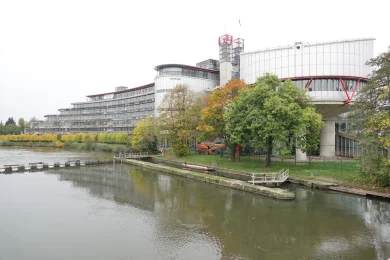
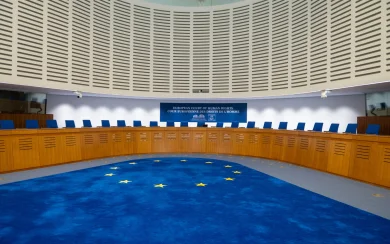
The European Court of Human Rights (ECHR) found, on 29 October 2026, that the Republic of Moldova had failed to effectively investigate the homophobic violence that disrupted a march organized by the Genderdoc-M association in Chișinău on 17 May 2014. The authorities violated the prohibition of discrimination in the exercise of freedom of assembly by repeatedly closing the investigation without clarifying certain evidence and the suspects’ motives. The judgment is final, and the state must pay the association 5,774 euros, plus any applicable taxes.
In brief
1.The Court found a violation of the prohibition of discrimination in connection with freedom of assembly because the investigation did not adequately examine the violence and the homophobic motive.
2.The march on 17 May 2014 was disrupted by threats and insults; a priest tore a rainbow flag from an organizer and ripped it, while another opponent blocked the participants after taking a banner from them.
3.The criminal investigation was closed twice. The prosecutors did not seek media recordings to verify statements concerning the violence.
4.The reclassification of the acts as administrative offences took place after approximately five months, although sanctions could be imposed only within three months of the incidents.
5.Genderdoc-M receives 4,500 euros for non-pecuniary damage and 1,274 euros for costs and expenses. The state has three months to pay; the judgment does not establish the individual criminal liability of the march’s opponents.
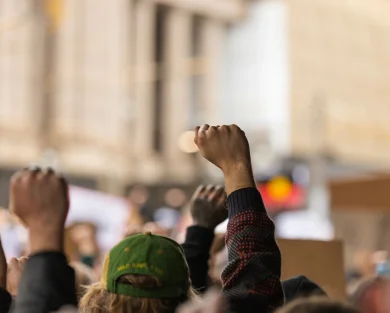
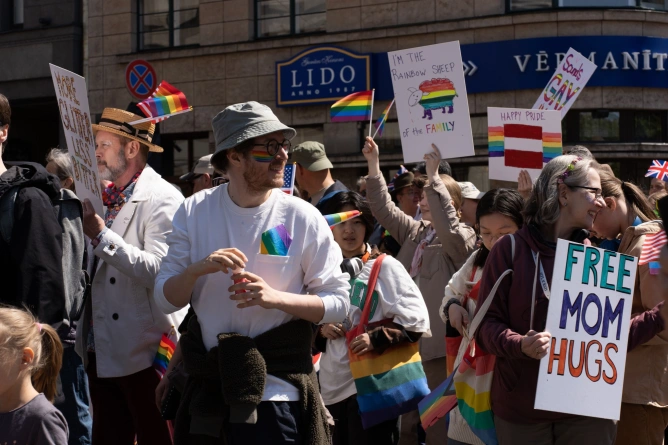
The “One Year Without Discrimination” march was organized to mark the International Day Against Homophobia. The police and special units separated the participants from several dozen opponents, some of whom shouted homophobic insults and threats of violence. According to the judgment, a priest identified by the initial C. tore a rainbow flag from an organizer and ripped it, striking her and other participants. Another opponent, G., took a banner and refused to move, blocking the march. The participants gave up the banner so that they could continue, and the police detained G.
The association filed two criminal complaints on 26 June 2014, and the investigation was opened on 9 July. The prosecutor closed it on 27 October, considering that the acts constituted administrative offences rather than crimes. He cited the lack of evidence that the suspects had acted together and the absence of forensic findings concerning the injuries. At the same time, he found that the three-month period for imposing administrative sanctions had expired.
On 27 January 2015, an investigating judge annulled the prosecutors’ decisions because all the necessary checks had not been carried out, including those concerning possible concerted action. After the investigation was reopened and some witnesses were questioned, the prosecutors closed the case again on 20 March 2015. Genderdoc-M did not challenge this last decision.
The Government argued before the ECHR that the association could not claim to be a victim of the violation and that it had failed to exhaust the domestic remedies. The Court rejected both objections. It noted that the organization of the association’s event had been directly affected and that it was not required to repeatedly seek the annulment of closure decisions based on the same grounds without the investigation’s deficiencies being remedied.
The European judges identified a specific problem in the prosecutors’ reasoning: they focused on the hypothesis in which two or more people block an event on the basis of a prior agreement, without examining another way of committing the same offence, through violence that does not endanger life or health. Witness statements about the blows inflicted had not received an adequate explanation, and the prosecutors’ decisions did not mention attempts to obtain footage filmed by the press.
The Court also noted that both suspects had openly stated that their actions were inspired by hatred of members of the LGBT community. In this context, the authorities were obliged to verify the homophobic intent, not merely to analyze the incidents as an ordinary disturbance of public order. The repeated closure of the case without examining this aspect contributed to the investigation’s ineffectiveness.
The delay had a direct legal consequence. By abandoning the criminal charges approximately five months after the events, in favor of administrative sanctions that became time-barred after three months, the prosecutors allowed the suspects to avoid any liability, the Court found. The ECHR established a violation of Article 14 of the Convention, which prohibits discrimination, taken together with Article 11, concerning freedom of assembly. It did not consider it necessary to examine the other complaints separately.
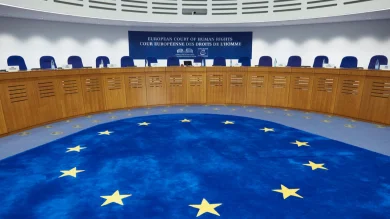
The judgment was delivered in the case of Genderdoc-M v. the Republic of Moldova, application no. 23907/15, by a committee of three judges of the Fifth Section. The amounts awarded to the association are 4,500 euros for non-pecuniary damage and 1,274 euros for costs and expenses, payable within three months in the national currency at the exchange rate applicable on the date of payment, plus any applicable taxes. After the expiry of the deadline, interest is payable. These obligations fall on the state; the ECHR did not issue criminal convictions against the people who disrupted the march.
Latest News
20:12
20:10
20:03
19:56
19:44
See more news
NEWS ON THE SAME TOPICS