The Mediterranean Sea is warming 20% faster and shelters the most invasive species in the world. MEPs are calling for urgent protection measures.



Always see our news on Google
European parliamentarians from the Fisheries Committee have adopted a report calling for an integrated ecosystem-based approach to the protection of cetaceans, sharks, and rays threatened by invasive alien species. The updated EU list in July 2025 includes only two marine species, which MEPs consider insufficient.
Brussels, January 27, 2026 – MEPs are calling for EU countries and the Commission to act to protect sensitive species such as cetaceans, sharks, or rays, and to control the spread of invasive species.
In brief
The PECH Committee of the European Parliament adopts a report with 21 votes in favor, 0 against, 5 abstentions
MEPs call for an integrated ecosystem-based approach to fisheries management
Focus on the conservation of sensitive species: cetaceans, sharks, rays
Invasive species are an increasing threat to biodiversity and fishermen
The updated EU list in July 2025 includes only 2 marine species - insufficient
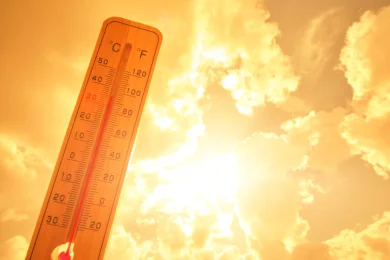
The Mediterranean is warming 20% faster than the rest of the planet
The Mediterranean hosts more invasive species than any other sea in the world
Affected areas: Dutch coast, Greece, Cyprus, Spain
Considering that sensitive species have a "unique role" in marine ecosystems, providing early warnings for ecological imbalances and acting as indicators of ocean resilience, European parliamentarians from the Fisheries Committee warn that these species face the increasing threat of invasive alien species (IAS). Alongside the reduction of biodiversity, IAS also affect fishermen and aquaculture producers, whose catches or production are plummeting, and the costs incurred due to damaged equipment and losses are rising.
Through a report adopted with 21 votes in favor, no votes against, and five abstentions, MEPs call on the Commission and EU countries to adopt an ecosystem-based management model aimed at protecting and conserving sensitive species while considering all pressures on the marine ecosystem, including those from land, pollution, and climate change.
To ensure the effectiveness of conservation measures, European parliamentarians advocate for the full implementation of marine protected areas and the use of all technical measures of the common fisheries policy to increase the protection of sensitive species, such as minimizing the bycatch of sensitive species, for example, through the use of selective gear.
At the same time, MEPs call on the Commission to provide fair compensation to fishermen who lose access to their usual fishing areas, as well as compensation schemes and adaptation funds, especially for areas suffering direct economic losses due to invasive species.
Noting the lack of sufficient monitoring programs for marine IAS, European parliamentarians call for the establishment of regional monitoring systems, the use of new technologies such as eDNA and artificial intelligence, and the development of campaigns to inform and engage fishermen and coastal communities in detecting and identifying new IAS. They also support the adoption of a methodology for setting thresholds for all marine regions of the EU and call on the Commission to include this integrated approach encompassing preventive, control, and research actions when applying the European Ocean Pact.
European parliamentarians also state that more funding is needed, both from the European Maritime, Fisheries and Aquaculture Fund and from the next long-term EU budget, for the eradication of invasive species and for strengthening competitiveness and modernizing the EU fishing fleet.
Updated in July 2025, the Union's list of concern does not fully recognize the threat of IAS to EU fisheries, MEPs argue, with only two marine species included. Therefore, European parliamentarians call for: improving the Union's list based on updated scientific advice and risk assessment; progress on monitoring methods and harmonization of indicators across the EU; and the development of a specific indicator for sensitive and invasive species in EU waters.
Marine habitats have changed over the past decades due to climate change, among other factors. IAS, which include alien predatory species introduced inadvertently or intentionally into a natural environment, threaten ecological balance, cause loss of biodiversity, and impact human health.
European parliamentarians observe the increasing presence of species in certain coastal areas, such as the Dutch coast, Greece, Cyprus, and Spain. They also pay particular attention to the Mediterranean Sea, which is warming 20% faster than the rest of the planet and hosts more IAS than any other sea in the world.
The Regulation on invasive alien species (Regulation (EU) 1143/2014) includes measures to be taken across the EU to prevent or mitigate their effects, including the list of invasive alien species of Union concern.
Latest News
09:19
09:15
09:14
08:57
08:38
See more news
NEWS ON THE SAME TOPICS