Greenland had the warmest January on record, with a warming four times faster than the global average, affecting fishing and mining.



Always see our news on Google
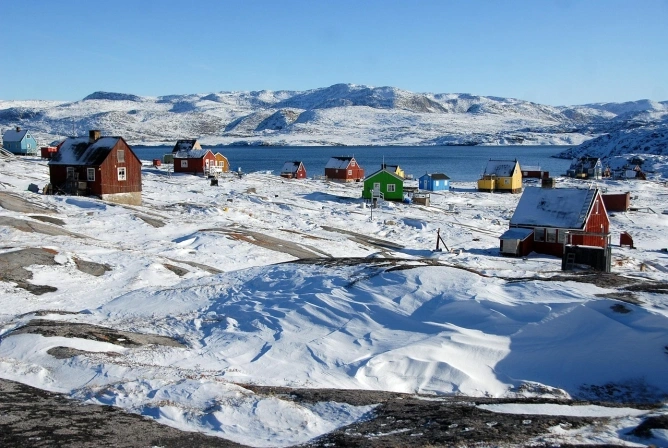
Greenland recorded the highest temperature in history in January 2026, with an average of +0.2 degrees Celsius, well above the historical average of -7.7 degrees. This warming, four times faster than the global average, has significant implications for essential economic sectors such as fishing and mining.
Climate change affects sea ice, complicating transport and impacting catches of shrimp, halibut, and cod, which constitute 23% of Greenland's GDP. Additionally, Greenland possesses strategic mineral resources, and warming could make mining more profitable, despite bureaucratic challenges and indigenous opposition.
Tourism businesses face uncertainties due to the lack of snow, and business owners hope for more favorable weather conditions.
Sources


Latest News
18:26
18:23
18:22
18:19
18:11
See more news
NEWS ON THE SAME TOPICS




.webp)