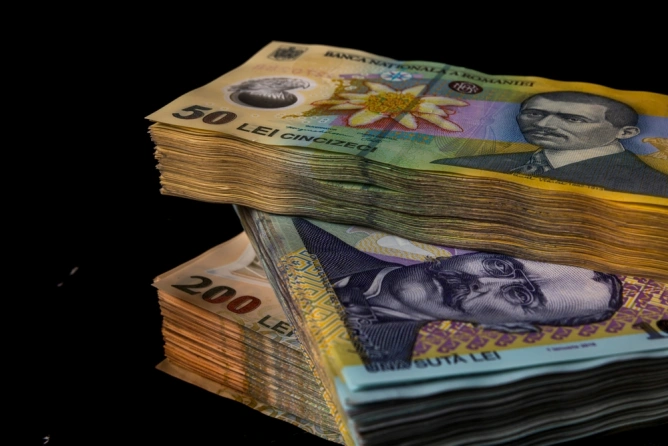
Economist Valentin Lazea emphasizes that Romania missed its entry into the eurozone due to an unsustainable fiscal policy, favoring rapid but unbalanced economic growth.



Always see our news on Google
In 2015, Romania met the Maastricht criteria to join the eurozone, but chose a strategy of rapid economic growth, ignoring long-term costs. This approach led to high inflation, a significant budget deficit, and a current account deficit. In contrast, Bulgaria adopted a more prudent strategy, allowing it to enter the eurozone in 2026. Lazea emphasizes that the deterioration of public finances cannot be attributed solely to recent governments, but is the result of a relaxed fiscal policy accepted by the business environment and the public. This included tax evasion and subsidies that led to an increase in consumption, but not in investments. Lazea warns that consumption-based growth does not ensure the necessary resources for debt repayment and that recent fiscal consolidation measures have been essential to avoid a financial crisis. He suggests that Romania could change its growth model, shifting from consumption to investments, to ensure sustainable long-term development.
Sources


Latest News
22:58
22:44
22:41
22:21
22:08
See more news
NEWS ON THE SAME TOPICS