What measures are the USA and European countries taking to stabilize oil prices?
Lara Maior


Economy
e-crow/ Shutterstock.com

Always see our news on Google
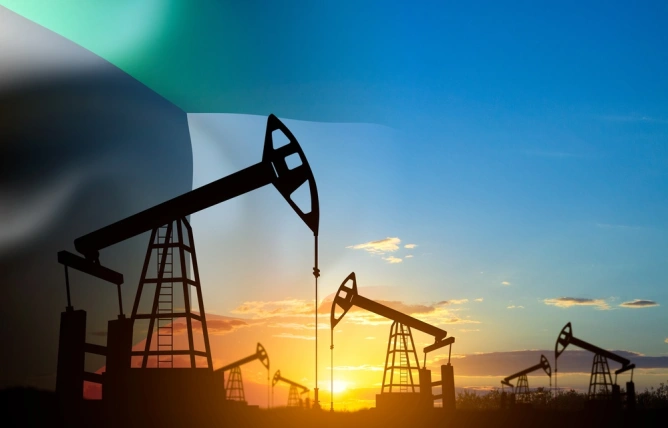
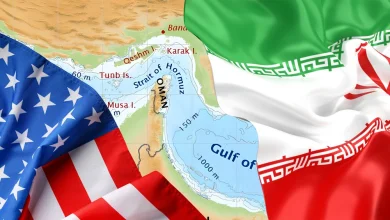
Oil prices fell on Friday, influenced by the efforts of European countries and Japan to ensure the safe passage of ships through the Strait of Hormuz, as well as by the measures announced by the U.S. to stimulate oil supply. U.S. Treasury Secretary Scott Bessent mentioned the possibility of lifting sanctions on blocked Iranian oil and a new release from the Strategic Petroleum Reserve. Brent futures contracts fell by $1.36, while WTI dropped by $1.92. Although prices have decreased, Brent is on track to rise by nearly 4% for the week, while WTI could register its first weekly decline in the last five weeks. World leaders have acknowledged the need for de-escalation, and the UK, France, Germany, Italy, the Netherlands, and Japan have committed to contributing to ensuring safe passage through the strait. The U.S. intends to relax sanctions on Iranian oil to ease market tensions, while production in North Dakota is expected to increase.
Sources

Prețul petrolului scade pe fondul eforturilor SUA și ale aliaților de a crește oferta și de a debloca Strâmtoarea Hormuz; SUA vrea să suspende sancţiunile împotriva petrolului iranian

Prețul petrolului scade, după ce Netanyahu a anunțat că Iranul nu mai poate îmbogăți uraniu
Latest News
23:13
Montenegrin authorities expelled the founder of the Russian military blog Rybar
23:02
Donald Trump announced that Russia will begin massive diesel deliveries to the US and the global market, following a discussion with Vladimir Putin
22:58
A Romanian woman was killed in Spain, and her husband, suspected of the murder, allegedly later committed suicide
22:25
A Romanian man who went missing in Italy was found dead in a river
22:21
A magnitude 7.6 earthquake occurred off the coast of Panama / Tsunami warnings were issued
See more news
NEWS ON THE SAME TOPICS
Economy
Brent crude oil surpasses 80 dollars per barrel after escalating tensions between the USA and Iran
International
Oil prices rose sharply by almost 5% after the American attacks on Iran, amplifying fears about energy supply.
.webp)

Personalized news feed, AI-powered search, and notifications in a more interactive experience.






.webp)