



S&P Global estimates that the demand for copper will increase by 50% by 2040, driven by advances in AI technology and increased defense spending.
Raluca Ioana Draghici


Economy
www.unsplash.com

Always see our news on Google
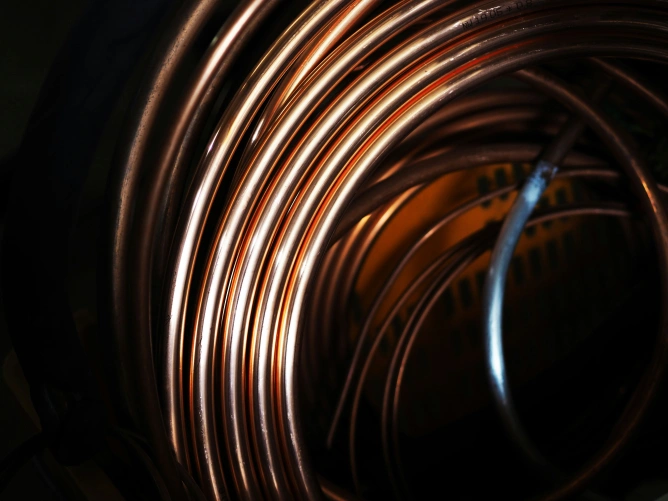
According to an estimate from S&P Global, global copper demand will increase by 50% by 2040, reaching 42 million tons per year, due to advancements in artificial intelligence (AI) and rising defense spending. Currently, copper supplies are expected to remain over 10 million tons behind demand, with risks of covering nearly a quarter of the need without new sources of supply. Copper, essential in construction, transportation, and technology, will be increasingly in demand due to electrification and AI projects, including data centers valued at nearly $61 billion. Additionally, the conflict in Ukraine and defense measures from various countries will contribute to rising demand. Chile and Peru remain the main producers, while the United States imports half of its annual copper needs. S&P used a different methodology compared to previous forecasts, emphasizing that demand will continue to grow regardless of climate policies.
Sources

Cererea de cupru va creşte cu 50% până în 2040 graţie AI şi cheltuielilor pentru apărare, estimează S&P

Cererea de cupru va creşte cu 50% până în 2040 pe fondul boom-ului AI şi cheltuielilor pentru apărare – S&P

Cererea de cupru va crește cu 50% până în 2040 grație AI și cheltuielilor pentru apărare, estimează S&P

Inteligenţa artificială şi cheltuielile pentru apărare vor duce la o creştere de 50% a cererii mondiale de cupru până în 2040

AI va crește cererea de cupru cu 50% până în 2040, dar sunt necesare mai multe mine pentru a asigura aprovizionarea, afirmă S&P
Latest News
22:56
Petrișor Peiu announces that AUR will summon Alexandru Nazare to Parliament for explanations regarding the budget deficit and will submit a simple motion against him
22:47
Ilie Bolojan stated that there is no question of replacing him as leader of the PNL
22:28
Ilie Bolojan, warning for the Niculescu Government: PNL will penalize budgetary deviations
21:57
Alexandru Rogobete announces a national program to reduce hospital-acquired infections
21:23
Latvian forces alerted the population after an unidentified object entered national airspace near the borders with Russia and Belarus
See more news
NEWS ON THE SAME TOPICS

International
Moody’s estimates that the US will build more than 30 GW of power capacity for data centers

International
The U.S. will increase natural gas production in 2026, driven by global demand for LNG and data center consumption
.webp)
IT&C knowledge
Samsung warns that the shortage of AI chips will intensify in 2027 after its entire HBM production for next year was contracted



Personalized news feed, AI-powered search, and notifications in a more interactive experience.




